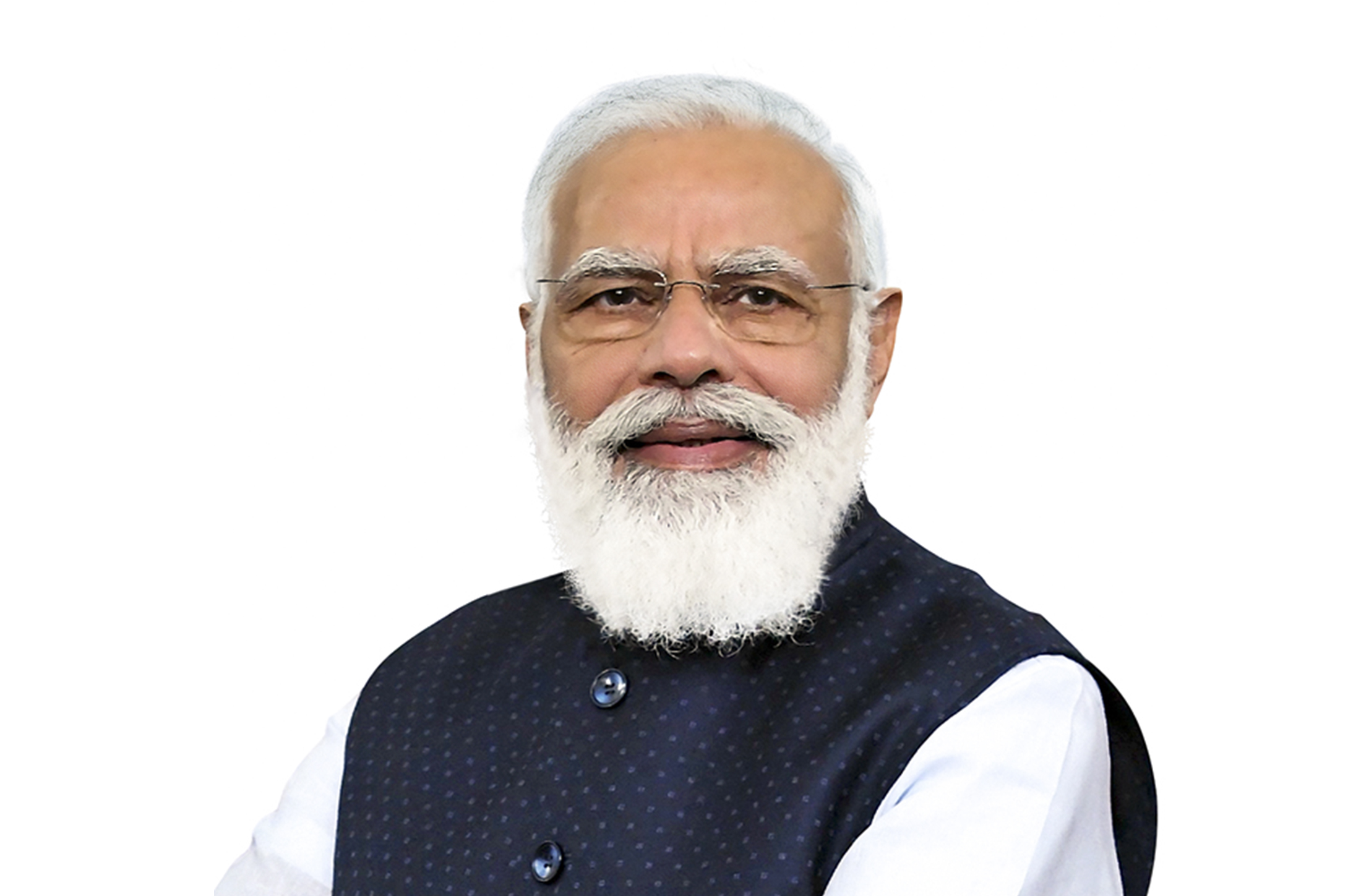
When a handful of nations control the elements that power modern civilization, the rest of the world is always one trade dispute away from a crisis. Prime Minister Narendra Modi made this exact point crystal clear during the conclusion of the BRICS summit in New Delhi. He warned that turning technology and critical minerals into geopolitical weapons threatens shared global progress.
You cannot talk about the future of green energy, artificial intelligence, or defense systems without talking about critical minerals like lithium, cobalt, and rare earths. Right now, supply chains for these materials are dangerously fragile. If you rely entirely on a single dominant supplier, you aren't participating in global trade. You are walking into a trap.
The Real Cost Of Supply Chain Vulnerability
Most people don't think about where the raw materials inside their smartphones or electric vehicle batteries come from until a shortage hits. China currently dominates the extraction, processing, and refining of many rare earth elements. When geopolitical tensions flare, export controls or sudden restrictions follow.
Modi pointed out that global crises don't stay isolated anymore. Pandemics, climate disasters, and trade wars ripple across borders instantly. Nations that control mineral processing have immense leverage. When they use that leverage to squeeze competitors, developing economies in the Global South take the hardest hit.
What BRICS Plans To Do About It
The New Delhi Declaration didn't just highlight the problem; it outlined specific steps to push back. Paragraph 67 of the declaration focuses heavily on building reliable, diversified, and sustainable supply chains for critical minerals.
The strategy includes:
- Ensuring fair value addition for resource-rich countries.
- Protecting sovereign rights over natural mineral deposits.
- Rejecting unilateral tariffs and coercive economic measures.
- Expanding local currency trade to bypass vulnerable cross-border payment systems.
India used its BRICS chairship to pivot the bloc away from endless talk and toward actual execution. Initiatives like the proposed Startup Innovation Fund, digital agriculture networks, and integrated early-warning systems prove that cooperation has to be practical to survive.
Why This Matters For Global Tech
Technology adoption can't be reserved for a wealthy few. If critical minerals become heavily weaponized, the cost of microchips, batteries, and renewable energy infrastructure will skyrocket. Developing nations trying to lift millions out of poverty will get priced out of the green transition entirely.
That is why Modi stressed inclusivity. Solutions developed within emerging economic blocs shouldn't stay locked inside those borders. They need to be accessible to everyone who needs them.
Stop assuming global supply chains will fix themselves. Diversifying sources, investing in domestic extraction, and creating transparent trade frameworks aren't optional policy ideas anymore. They are absolute survival requirements.