You can't build a trillion-dollar empire on plastic collectibles alone, and Pop Mart finally figured that out. When the Beijing-based designer toy giant opened its massive two-storey duplex at Resorts World Sentosa in Singapore, it didn't just bring more blind boxes. It brought a bakery.
The strategy is brutally pragmatic. While headlines focus on fluctuating retail momentum and cooling overseas spikes for viral characters like Labubu, Pop Mart is executing a hard pivot toward experiential retail. They want to turn intellectual property into food, drinks, and theme park memories before the hype cycle runs dry.
The Real Reason Behind the Sentosa Expansion
If you look past the standard press releases, the launch of Southeast Asia's first Pop Bakery next to Universal Studios Singapore highlights a shift in survival tactics. Pop Mart isn't just opening another storefront to sell plastic monster dolls. They are fighting design fatigue and consumer price sensitivity head-on.
Market research across the region shows a split consumer base. While neighboring markets like Malaysia and Thailand maintain strong engagement with new toy drops, Singapore buyers lean toward value resistance and skepticism over high retail markups. Selling a $20 character-themed double cheesecake or an exclusive Pucky soup dumpling dessert changes the game. It trades physical shelf clutter for an edible, shareable experience that costs less friction to consume.
Moving Beyond the Blind Box Trap
For years, the company relied heavily on the blind box mechanic. You pay a fixed price, cross your fingers, and hope you don't pull a duplicate. It works brilliantly until consumer interest rotates to the next shiny trend.
To combat this vulnerability, executives are taking a page straight out of the Disney playbook. They are building a full entertainment ecosystem. Recent moves include partnering with Sony Pictures to develop a feature film, expanding their Pop Land park attractions, and scaling international food concepts.
Chief operating officer Si De has pushed back against critics worried about over-reliance on a single character, noting that non-Labubu lines make up a huge chunk of international revenue. Even so, the sheer speed of global retail expansion shows they can't afford to stand still. They need physical touchpoints that command attention every single week.
What Retailers Can Learn From This Pivot
If you're studying modern consumer brands, Pop Mart's physical rollout offers a masterclass in adaptation.
- Diversify product formats: Don't trap your brand in a single category. If you sell physical goods, find service or consumable angles that fit your aesthetic.
- Capitalize on foot traffic hubs: Anchor your experiential flagships next to established entertainment destinations where people already go to spend money.
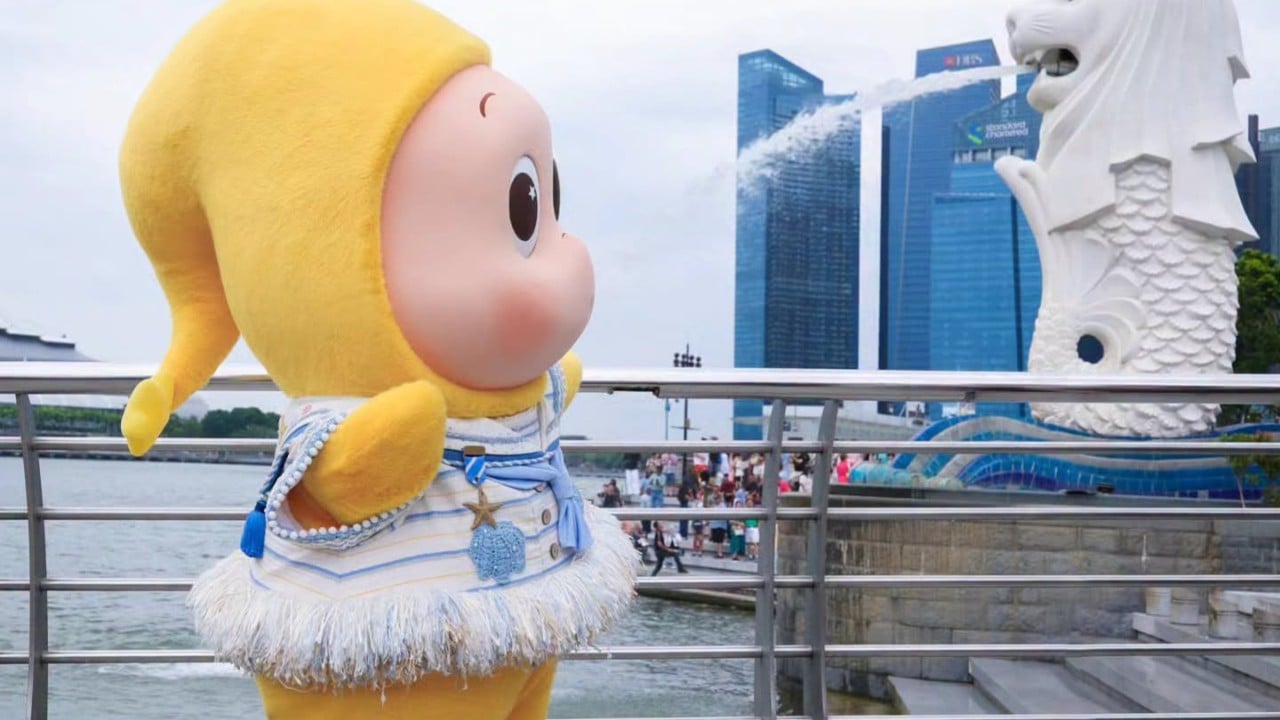
- Manufacture exclusivity: Limited regional drops—like the Merlion-themed treats and local pendants introduced at the Sentosa launch—drive immediate lines and social media FOMO.
The real test won't be whether fans show up for opening week. It will be whether a frosted Labubu cookie can keep customers coming back long after the initial novelty fades.
Stop treating physical retail like a simple warehouse for inventory. Turn your brand into a destination, or watch your margins shrink.