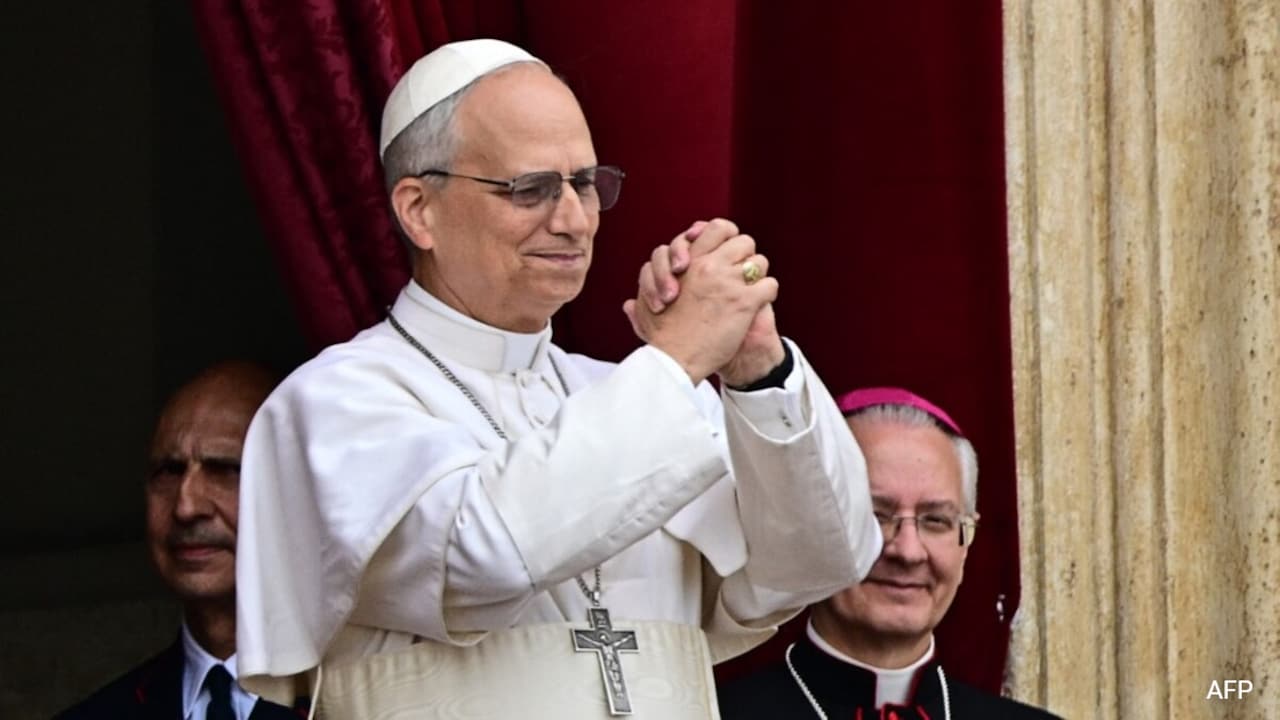
The black SUV slipped quietly through a side entrance into the Vatican, carrying a man who had cheated global anxiety by simply walking out of a hospital on his own two feet. Just four days after surgeons removed part of his right lung to extract a cancerous tumor, 71-year-old Pope Leo XIV headed home. No dramatic stretcher. No secretive medical convoy. Just a smiling pope waving to crowds, shaking hands, and proving that Chicago-born resilience travels all the way to Rome.
For the world's 1.4 billion Catholics, those few steps across the Gemelli hospital lobby felt like a collective exhale. When news broke last week that the newly installed pontiff faced lung cancer, the reaction across global spiritual communities was immediate panic. Papacy timelines are sensitive things. When a pontiff faces major thoracic surgery barely two years into leading the global church, uncertainty takes over. Yet, Leo smashed through those anxious narratives by discharging himself on schedule, clearing his clinical hurdles, and preparing to greet crowds from the Apostolic Palace window.
Let's look at what actually happened behind the institutional bulletins. The tumor wasn't found because Leo collapsed at the altar or suffered a dramatic respiratory failure. It was caught entirely by chance during a routine abdominal X-ray that happened to capture a tiny suspicious spot at the base of his right lung. Surgeon Stefano Margaritora later noted that the operation itself was medically routine, but praised Leo's raw determination. The pope reportedly approached his recovery like a high-performance athlete, throwing his heart and soul into every breathing exercise and physical therapy session.
That work ethic didn't pause for hospital gowns, either. While recovering in his tenth-floor room, Leo kept working. He celebrated daily Mass and picked up the phone to talk directly with Russian President Vladimir Putin, urging an immediate ceasefire in the occupied Ukrainian city of Oleshky. That is not the behavior of a frail leader winding down his schedule. That is an active, stubborn strategist trying to bend geopolitical reality toward peace from a hospital bed.
Outside the hospital gates, human moments cut through the heavy Vatican bureaucracy. Thirteen-year-old Varvara Struck waited outside to catch a glimpse of the pontiff. She is a Ukrainian cancer survivor. Last year, she met Leo in Rome, where he blessed her before her own grueling treatments. Standing outside Gemelli, she wanted to send that same energy right back to him. When the pope paused to speak with her before stepping into his vehicle, it highlighted the exact reason his leadership style connects so deeply with people. He isn't hiding behind palace walls. He faces the exact same health vulnerabilities ordinary people fight every single day.
Medical teams estimate a full recovery will take roughly ten days, meaning a planned November trip to South America—covering Uruguay, Argentina, and Peru—remains on the table. Doctors see zero clinical reasons to cancel the voyage. Leo spent two decades as a missionary in South America, and that pastoral connection forms a cornerstone of his identity. Canceling it would have dealt a psychological blow to his global agenda. Instead, the green light from his surgical team clears the path for him to get back on the road.
Health scares at the Vatican always trigger dark speculation about successions and pontificate limits. Tabloids love a crisis. But reality is far more mundane and stubborn. Early detection changes everything, even for a 71-year-old pope. Modern thoracic surgery combined with sheer personal willpower beats doom-scrolling every single time. Leo is back at home, preparing for Sunday prayers, and staring down a packed international schedule. The Vatican is breathing easier, and the pontificate rolls forward.