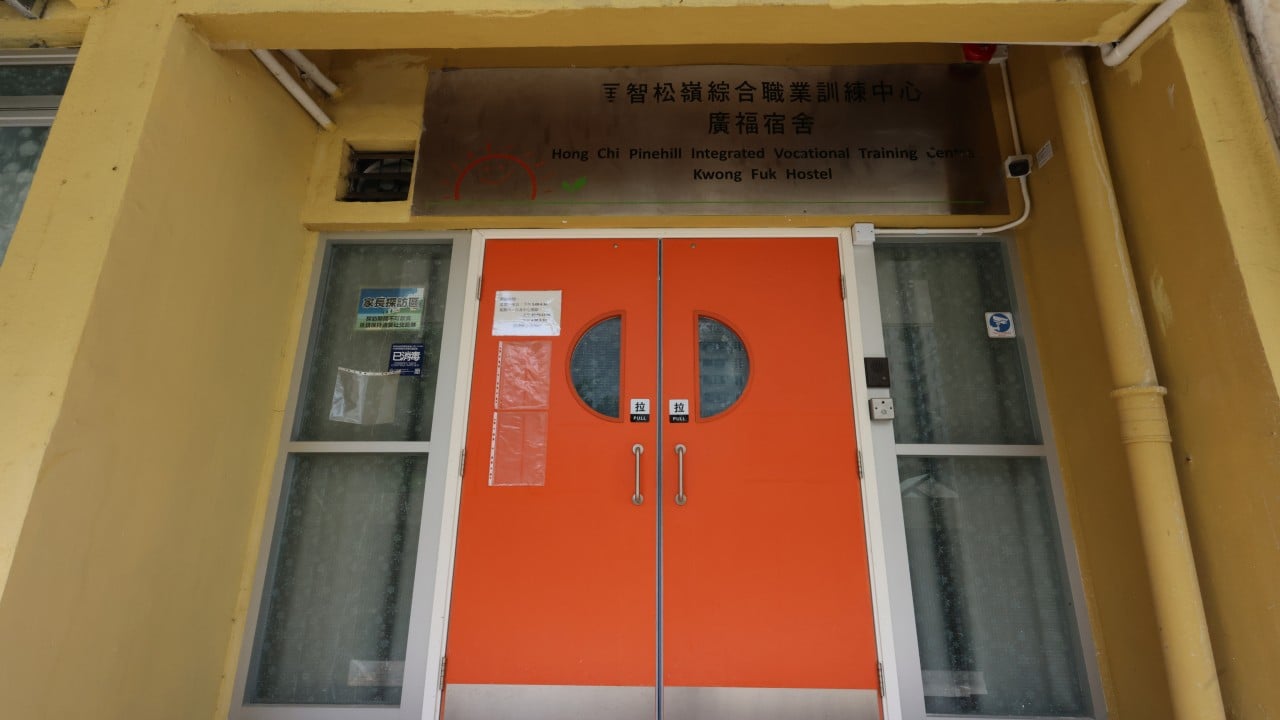
The headlines are always the same. Another case of an ex-care home worker facing accusations of sexual assault against an intellectually disabled resident. You see the news, feel a surge of anger, and then the cycle repeats. It’s not just a single criminal act. It’s a systemic rot that keeps failing the people who need protection most.
When someone with an intellectual disability enters a residential care facility, they aren't just checking into a room. They’re entering a position of extreme reliance. They depend on staff for daily hygiene, medication, and safety. This dynamic creates a power imbalance that is ripe for abuse.
The Reality of Power Imbalances in Care
In my years observing social welfare trends, I’ve seen this pattern consistently. It isn't just about "bad apples" or rogue employees. It’s about how we structure care. When oversight is lax and residents have limited ability to communicate or advocate for themselves, the gatekeepers—the staff—become the sole arbiters of that resident’s reality.
The core issue? Vulnerable adults are often deemed "unreliable" witnesses in legal settings. If a survivor cannot testify in a way that aligns with rigid judicial expectations, the case often stalls. Prosecutors struggle to secure convictions when the victim’s intellectual disability is used by defense teams to cast doubt on their capacity to consent or their ability to recall events accurately.
Why Justice Is So Hard to Find
If you look at the history of these cases, you’ll find a recurring theme. Defense strategies frequently focus on dismantling the victim's credibility. They don't just defend the accused; they attack the definition of consent.
They ask: Did the resident truly understand what was happening? Did they express a desire for it? When the law prioritizes formal "capacity" over the lived experience of someone with a developmental delay, justice becomes a legal technicality rather than a moral imperative.
Consider these challenges:
- Communication Barriers: Many residents lack the verbal tools to report abuse immediately.
- Dependency: The fear of retaliation often keeps residents silent. They don’t want to be kicked out of their home.
- Systemic Gaslighting: Care facilities are often hesitant to admit wrongdoing. Protecting the organization’s reputation often trumps the safety of the individual.
Moving Beyond Outrage
We’ve seen protests and public outcry before. Following high-profile dismissals of abuse cases in places like Hong Kong, communities have demanded stricter licensing and independent oversight. Yet, the same stories surface years later.
What actually works? It’s not enough to call for "more training." Training is a check-box exercise. It doesn't stop someone with predatory intent from acting.
True security requires:
- Independent Monitoring: Agencies entirely separate from the Social Welfare Department must conduct unannounced, frequent inspections.
- Video Surveillance: Private rooms are sensitive, but common areas and high-traffic zones require high-definition, audited monitoring to act as a deterrent.
- Survivor-Led Policy: We need to listen to disability advocates who actually understand how to facilitate testimony and support for survivors, rather than relying on lawyers who view these cases through outdated precedents.
Stop Treating These Cases as Anomalies
If we keep labeling these as shocking, isolated incidents, we let the system off the hook. This is a recurring feature of our current care model. Residential care for the intellectually disabled is often underfunded, understaffed, and poorly regulated. When you combine those three factors, you aren't just opening the door for abuse. You’re practically inviting it.
You need to look at the care facility's record, the staff-to-resident ratios, and the transparency of their grievance procedures. If a facility refuses to be transparent about its safety protocols, that is your first red flag. Don't wait for a news story to start asking questions.
The vulnerability of an individual should be their greatest safeguard, not their biggest liability. Until the legal system stops prioritizing technical defenses over the protection of the defenseless, this will keep happening. It’s time we stop accepting these excuses as the cost of doing business.
Ex-care home worker accused of abuse
This video highlights a specific case in the United States, illustrating that the problem of care workers exploiting vulnerable residents is a global issue, not just a regional one.
http://googleusercontent.com/youtube_content/1