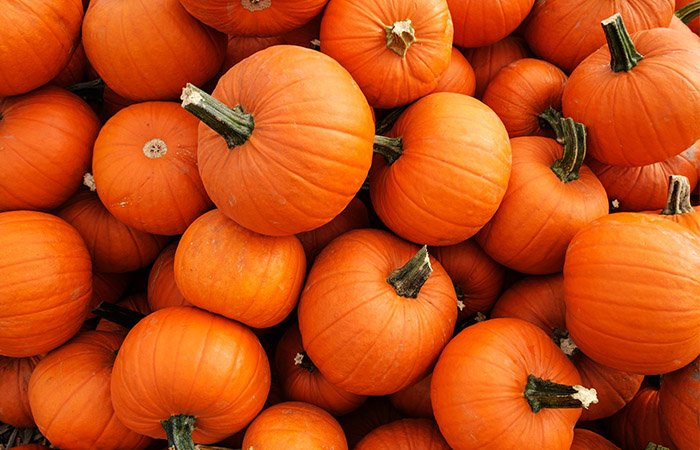
Let's say the quiet part out loud. Pumpkin pie kinda sucks.
There. I said it. Every November, millions of people pretend that a slab of spiced, slightly gritty squash custard sitting inside a soggy bottom crust is the pinnacle of autumn baking. Honestly, if you handed most people a blind taste test without the nostalgia attached, half of them would reach for literally anything else on the dessert table.
Unpopular Thanksgiving opinions hit a nerve because the holiday runs on ritual and guilt. You're supposed to love the food, love the football, and love the messy family dynamics without complaining. When someone challenges a sacred cow—whether that's pumpkin pie, canned cranberry sauce, or how we teach holiday history—people get defensive fast. Still, questioning tired traditions makes the whole day more honest and a lot more fun.
The Case Against Pumpkin Pie and Other Sacred Cows
I've spent years cooking big holiday meals for crowds where someone always brings two pumpkin pies and half a pie gets tossed into the fridge untouched until Monday. The texture is the biggest culprit. Overbaked custard turns rubbery or grainy, while underbaked filling slides off the fork like wet sand. Add canned pumpkin puree—which became a supermarket staple after Libby's bought a central Illinois canning company in 1929—and you get a flavor that leans heavily on cinnamon and nutmeg while the squash itself barely shows up. According to Smithsonian Magazine, the culinary roots of pumpkin pie go back centuries, yet modern versions often taste like an obligation rather than a treat.
Pumpkin pie isn't alone on the chopping block. Consider these other contrarian takes that spark real table debates:
- Canned cranberry sauce is an acquired shock. Surveys like a 2019 Harris Poll commissioned by Instacart have found canned cranberry sauce ranking right at the top of most-hated Thanksgiving dishes, even though millions of gallons of the wobbly cylinder sell every fall. Fresh cranberries simmered with orange zest and sugar taste bright and sharp; the canned log tastes like a sweet-tart time capsule.
- Dry turkey isn't a tradition; it's bad heat management. White meat dries out the moment internal temperature blows past 165°F (74°C). Spatchcocking or brining fixes most of it, yet people keep roasting whole birds for four hours and blaming the bird.
- Stuffing vs. dressing is a regional tug-of-war. Cooks in the American South often call bread baked outside the bird dressing, reserving stuffing for what goes inside, and food historians note that oysters were a popular addition in the 1860s when coastal seafood was cheap and plentiful.
What School Myths Miss About Thanksgiving History
Unpopular opinions aren't just about food. They show up in classrooms and living rooms whenever people push back against the neat, storybook version of Thanksgiving.
For generations, elementary school worksheets painted a tidy picture of Pilgrims and Wampanoag people sharing a peaceful harvest feast in 1621 with zero friction. Historians and Indigenous scholars point out how much that framing leaves out. Wampanoag leader Ousamequin (often referenced in colonial records as Massasoit) navigated a complex diplomatic landscape after disease devastated local communities, and violent conflict—including the Pequot War in the 1630s and King Philip's War decades later—shaped English-Indigenous relations in New England. As PBS NewsHour and educational resources from Rutgers University highlight, teaching Thanksgiving through multiple perspectives helps students see real history instead of a cartoon.
When we talk about accessibility and inclusion in schools and public life, another blind spot stands out. Holiday gatherings, classroom assemblies, and community events can be overwhelming or isolating for disabled students and family members—whether due to sensory overload from loud rooms and strong smells, mobility barriers in older homes, or dietary restrictions tied to medical needs. Real inclusion isn't a tacked-on craft project. It means planning spaces and routines so everyone can actually participate without feeling like an afterthought.
Why Contrarian Takes Actually Make Holidays Better
You might think contrarian opinions ruin the mood. In my experience, the opposite happens when people share them with humor instead of snobbery.
Think about what happens when a host drops the script. Maybe you bake a pecan tart, a crisp apple galette, or a simple chocolate tart alongside one small pumpkin pie for the purists. Maybe you swap out heavy dishes that leave everyone sluggish for brighter sides that pair better with what you actually like to eat. You don't need to blow up every family custom just to admit that a dish is mid.
There's also a real difference between unpopular and edgy for attention. Saying you hate pumpkin pie because you prefer crisp fruit pastry or sharp citrus flavors is a normal taste preference. Dismissing an entire holiday's meaning without learning the history behind it is just lazy. Good unpopular opinions come with reasons, curiosity, and room for someone else to disagree.
Practical Ways to Rethink Your Holiday Table and Conversations
If you're hosting or showing up to a gathering this year, you don't need a grand manifesto. Try a few concrete moves that make the day smoother for everyone at the table:
- Test one swap, not ten. Keep the one or two dishes your family genuinely loves, and replace the dish nobody finishes with something you're excited to cook.
- Label ingredients clearly. If guests have allergies, sensory aversions, or dietary rules, put small cards next to dishes so nobody has to play twenty questions before taking a bite.
- Read the room before debating. If someone wants a lively chat about food history or why pumpkin pie is overrated, lean in. If your aunt is exhausted from travel and just wants to watch the game, save the hot takes for another time.
- Bring something you'll happily eat leftovers of. Never bring a dish you dislike just because a recipe list says it belongs on the table.
At the end of the day, you don't owe loyalty to a mediocre pie. Eat what tastes good, listen to stories you haven't heard before, and leave room for people who see the world—and the dessert tray—differently than you do.