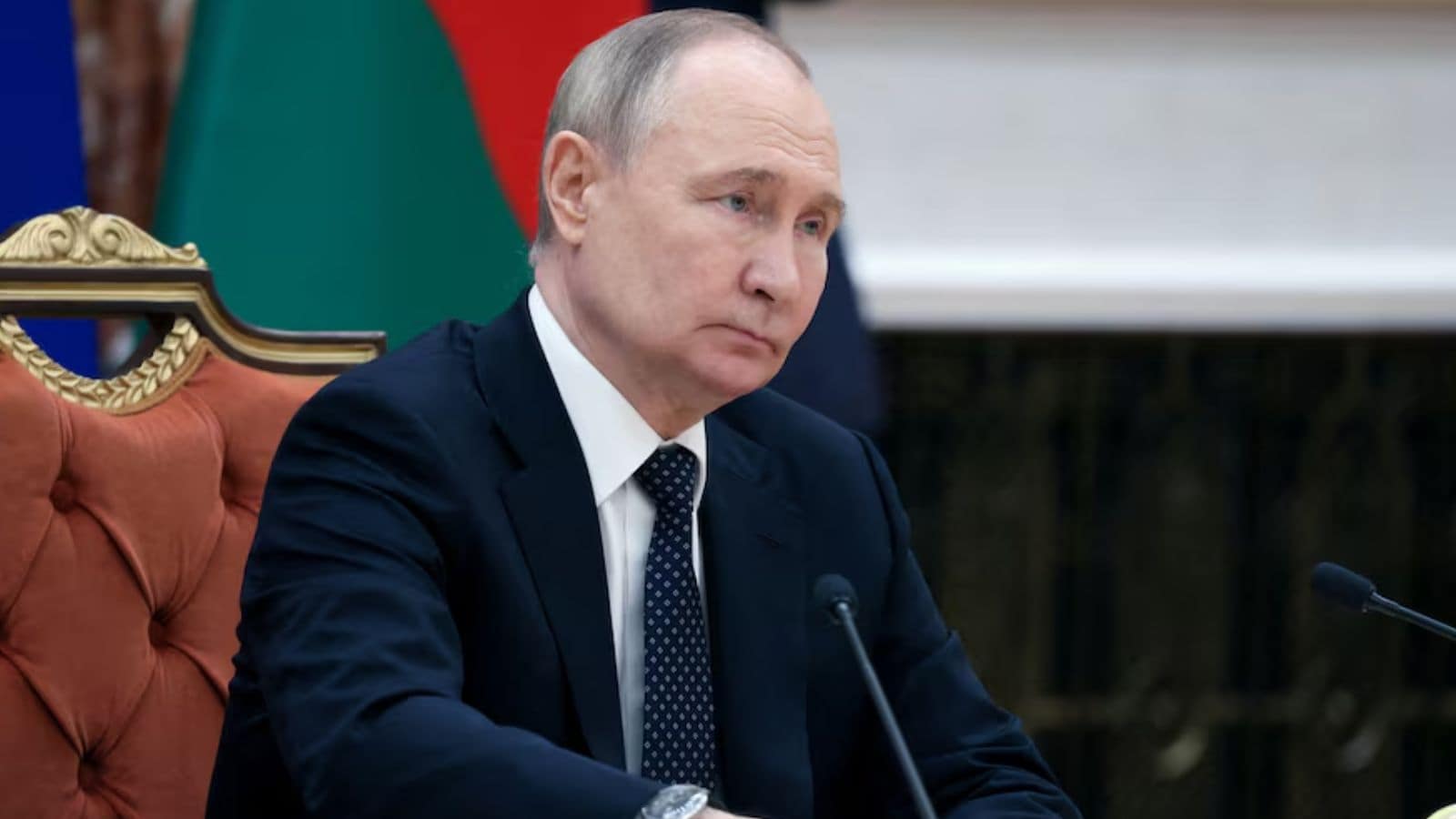
Vladimir Putin just played a masterclass in geopolitical maneuvering. By floating a trilateral summit with Donald Trump and Xi Jinping to negotiate an end to the war in Ukraine, the Russian leader is trying to reshape the global order on his own terms.
If you look past the diplomatic pleasantries, this proposal isn't just about Ukraine. It's about sidelining Europe, bypassing Kyiv entirely, and testing Washington's willingness to cut a bilateral deal with Moscow under Chinese watch.
The Timing of Moscow's Big Pitch
The idea didn't emerge in a vacuum. Putin reportedly floated the concept during an October 9 telephone conversation with Trump. That exact same call yielded a practical arrangement allowing the United States to purchase Russian diesel fuel to help lower domestic energy prices.
Shortly after, Trump suspended the implementation of fresh sanctions against Moscow passed by Congress, arguing that he needed to keep diplomatic channels wide open. Putin saw an opening and took it.
Kremlin spokesperson Dmitry Peskov admitted that discussions are underway, noting that all three parties acknowledge the hypothetical possibility of such a meeting taking place next month. Russian diplomats have already sounded out Beijing. China signaled it wouldn't object as long as Trump signs off on the plan.
The proposed venue? The upcoming Asia-Pacific Economic Cooperation summit scheduled for November 18 and 19 in Shenzhen, China.
Why Kyiv and Europe Are panicking
The glaring omission in Putin's dream summit is obvious to everyone except the participants. Ukraine isn't invited. European capitals are on high alert because a meeting between Washington, Moscow, and Beijing to decide the fate of European security echoes the darkest days of great power politics.
Ukrainian President Volodymyr Zelenskyy has already voiced sharp criticism, accusing Washington of pushing Kyiv toward an unfavorable settlement. European leaders worry that a grand bargain struck between three superpowers will trade Ukrainian territory for temporary stability, setting a dangerous precedent for international law.
Putin envisions this gathering as a modern Yalta conference. He wants to divide spheres of influence and prove that Russia dictates terms to the West alongside its powerful eastern partner.
What Beijing Stands to Gain and Lose
China finds itself in a delicate spot. Xi Jinping wants to project global leadership and position Beijing as the ultimate diplomatic power broker between the US and Russia. Hosting the summit in Shenzhen lets China look like the center of the diplomatic universe.
Yet, Beijing also has to tread carefully. Too much overt alignment with a controversial Russian peace initiative could further strain China's fragile economic ties with Europe. Xi needs to balance his strategic partnership with Moscow against his desire to keep European markets open.
Where the Deal Goes From Here
Trump hasn't formally agreed to the summit yet, but senior US officials indicate he remains open to anything that fast-tracks an end to the four-year conflict. Trump insists he wants the fighting to stop immediately and blames prior administrations for letting the crisis boil over.
Whether this summit actually happens in Shenzhen remains uncertain. The logistical and diplomatic hurdles are massive. But the mere proposal tells you everything you need to know about where global power dynamics are heading. Major players are looking to carve up the map, and they're doing it without asking permission from the countries affected most.