Air raid sirens wailing over Riyadh aren't just a local disruption. They are the loud, terrifying wake-up call of a conflict that refuses to stay put. When a ballistic missile targets the Saudi capital alongside civilian hubs like Bisha, Taif, Farasan, and Yanbu, the political reactions matter just as much as the Patriot missile batteries intercepting them.
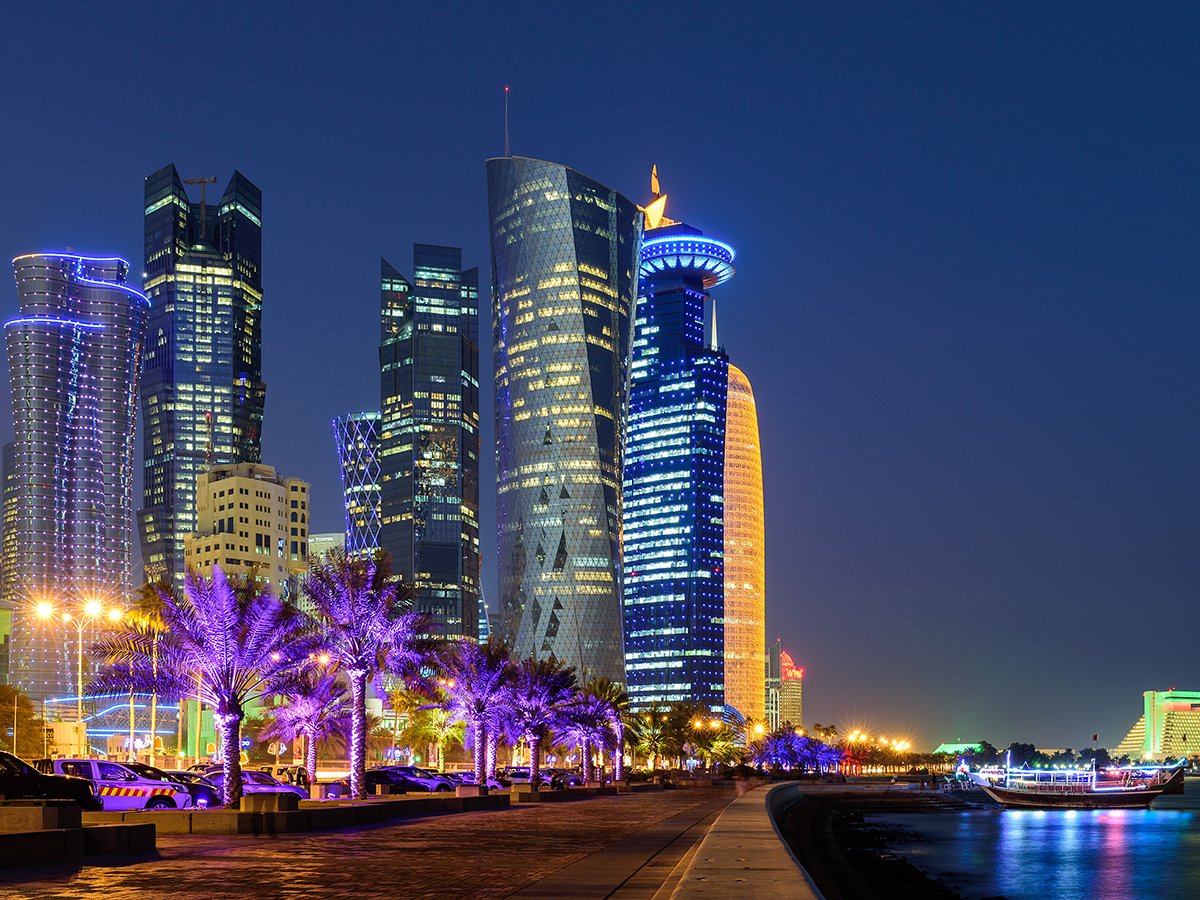
Qatar's foreign ministry stepped forward with a blunt, unreserved condemnation of these Houthi strikes. If you've tracked Gulf politics over the last decade, you know words like "full solidarity" and "blatant violation of sovereignty" carry heavy weight. Doha isn't just sending polite diplomatic telegrams. They are drawing a hard line against attacks on civilian infrastructure, forcing a recalibration of alliances across the entire West Asia theatre.
Decoding the Threat Matrix in the Gulf
Let's look past the sterile diplomatic readouts. Why do these specific missile and drone trajectories matter? The Houthis aren't just firing blind. When projectiles target energy hubs in Yanbu or urban centers near Riyadh, the goal is economic disruption and psychological terror.
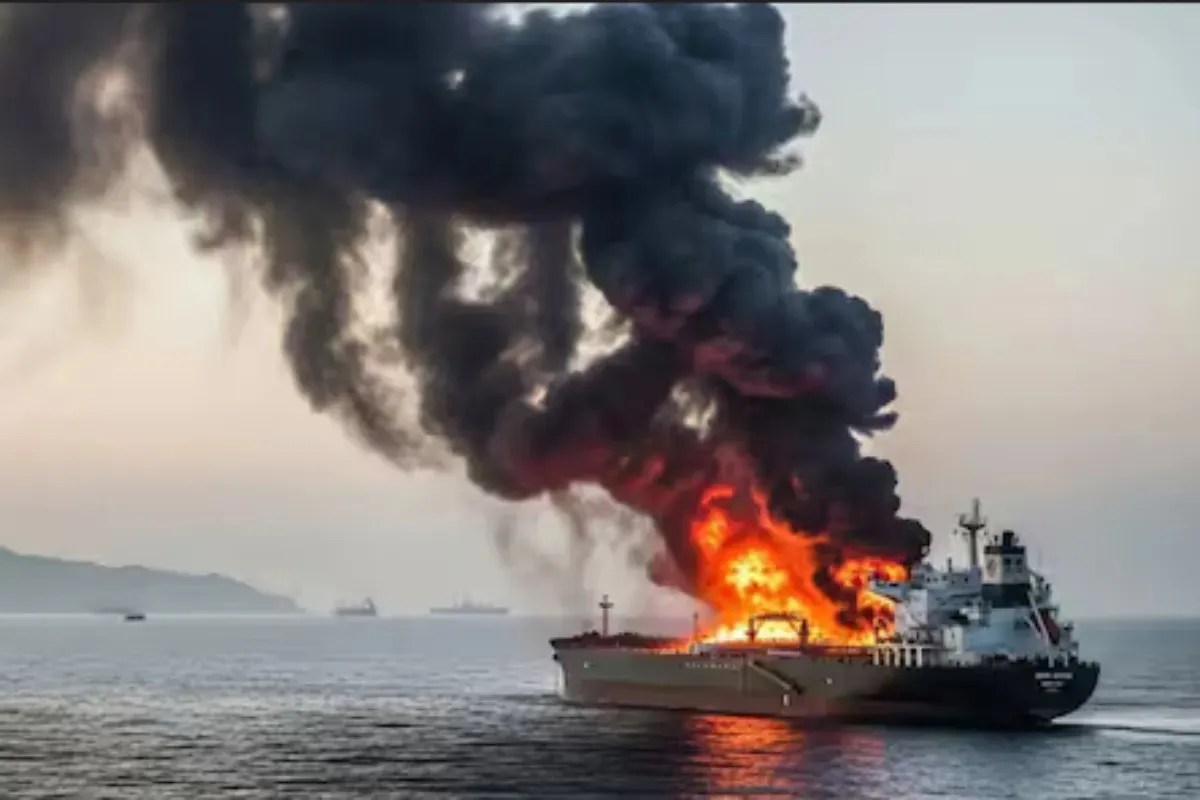
Saudi-led coalition forces intercepted the incoming ballistic missile, but the psychological fallout hit immediately. Al Jazeera reported explosions echoing near the capital, with black smoke rising close to major transit corridors. This marks the first serious escalation of air defense alerts in Riyadh since fighting intensified back in July.
When Doha publicly calls these actions "irresponsible" and backs Riyadh’s right to secure its borders, it signals a pragmatic closing of ranks. Regional actors realize that an uncontained drone war in the Arabian Peninsula threatens everyone’s economic future, regardless of past bilateral feuds.
The Washington Reaction and Travel Realities
You can't talk about Gulf security without looking at how the United States responds to these flare-ups. Washington didn't waste time. The US Department of State slammed down an urgent worldwide caution, urging Americans to think twice before traveling to or through West Asia.
Saudi Arabia currently sits at a Level 3 Reconsider Travel advisory. Why? Because the threat profile includes Iranian-backed proxies lobbing explosive drones at airports, energy installations, and diplomatic quarters. Falling debris alone from an intercepted Patriot missile turns a morning commute into a hazard zone.
Meanwhile, Yemen remains locked at a stark Level 4 Do Not Travel status. US diplomatic posts from Iraq down to Oman are on heightened alert. If you are sitting on a commercial flight to Riyadh right now, you need to check operational schedules hourly. Airspaces close fast when regional risk spikes like this.
What Most Observers Miss About Regional Alignment
Most mainstream commentary treats Gulf diplomacy as a static chess board. It's not. It's a high-stakes, fast-moving market of survival instincts.
Qatar's firm stance against the Houthi missile campaign proves that economic stability and territorial integrity trump old rivalries when ballistic threats reach capital cities. When non-state actors acquire precision missile tech supplied by external networks, every capital in the Gulf becomes a potential target. Doha knows that instability doesn't respect borders or past political disagreements.
If you are monitoring regional trade, energy markets, or security policy, pay attention to these unified condemnations. They point to a hardening consensus among Gulf states.
Keep a close eye on airspace restrictions over the next few weeks. Monitor airline operations before booking any transit through West Asia, and don't assume historical political fractures will keep regional neighbors from uniting against cross-border projectile threats.