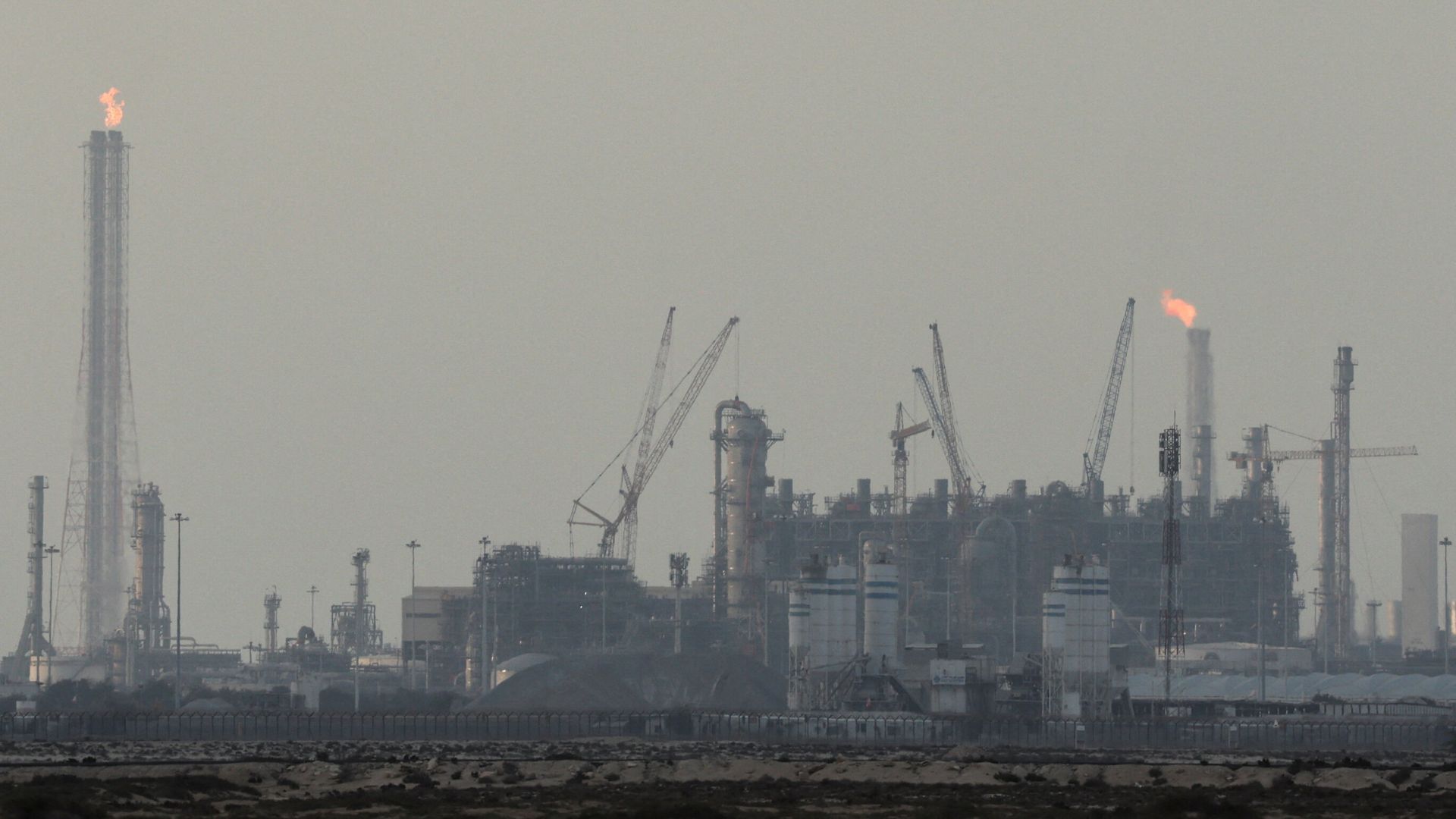
The ground shook all the way to Doha on Sunday night. If you think a sudden infrastructure disaster in the Middle East is just another localized headline, think again. The massive Qatar gas facility explosion at the Barzan plant inside the sprawling Ras Laffan Industrial City has sent shockwaves far beyond the borders of the Gulf. With 54 people confirmed injured and another 18 still missing in the wreckage, this isn't just a industrial accident. It is a stark reminder of how fragile our global energy infrastructure really is right now in 2026.
When a critical gear in the world’s energy machine breaks, everyone pays the price. Qatari authorities are calling the incident a technical malfunction during a restart operation. But to understand why this matters to your wallet and your morning commute, you have to look at what Ras Laffan actually does.
Inside the Barzan Gas Facility Incident
The blast happened on Sunday evening as crews attempted to restart operations at the Barzan local gas supply facility. Barzan is a monster of a plant. It is designed to pump out roughly 1.4 billion standard cubic feet of gas per day. Mostly, Qatar uses this massive supply to power its domestic electrical grid and run the intensive water desalination plants that keep life moving in a desert peninsula.
Witnesses in the capital city of Doha, located about 80 kilometers south of the industrial hub, reported hearing a deafening boom. Social media immediately filled with videos showing massive fireballs ripping through the night sky.
Ras Laffan Industrial City Snapshot:
- Location: 80 km north of Doha, Qatar
- Affected Plant: Barzan local gas supply facility
- Human Toll: 54 injured, 18 missing as of Monday morning
- Official Cause: Internal technical malfunction during restart
- Local Impact: Fuels Qatar's domestic power and water desalination
Qatar’s Ministry of Interior quickly moved to manage the panic. They stated that emergency response teams brought the fire under control and insisted there is no ongoing hazardous leak threatening public safety. That is the good news. The bad news is that the Qatari International Search and Rescue Group is still desperately combing through twisted metal and debris to find those 18 missing workers.
The Dangerous Reality of Restarting After Conflict
Industrial plants do not like being turned off and on again. It is a basic truth any chemical engineer will tell you over a beer. The Barzan incident occurred during a start-up sequence, which is historically the most hazardous phase of running any high-pressure gas operation. But the context surrounding this specific restart tells a much bigger story.
Qatar has had a brutal year. Earlier in 2026, the country’s energy infrastructure took direct hits from Iranian missile and drone strikes during the regional war. In March, an attack severely damaged two gas-processing units, knocking out roughly 17% of Qatar’s liquefied natural gas export capacity. Energy Minister Saad Al-Kaabi noted at the time that full repairs would drag on for three to five years. Then came the total shutdown of the Strait of Hormuz, trapping a fifth of the world’s LNG supply inside the Gulf.
When the geopolitical pressure cooker finally eased a bit and shipping lanes began to clear, engineers rushed to get the systems back online. That is where things went wrong.
When you rush a restart on equipment that has been sitting idle or suffered secondary stress from nearby military strikes, bad things happen. Valves stick. Pressure seals fail. Micro-fractures in pipelines pass unnoticed until you pump millions of cubic feet of highly pressurized volatile gas through them.
What This Disrupts for the Rest of the World
You might wonder why a failure at a domestic-focused gas plant like Barzan threatens global markets. It is all about the ripple effect.
Ras Laffan is the beating heart of global LNG, housing 14 massive processing trains with a total capacity of 77 million metric tonnes per year. While Barzan primarily serves the domestic market, it does not exist in a vacuum. If Qatar has to divert gas intended for export to keep its own lights on and its water desalination plants running, global buyers are going to feel the squeeze.
We are already looking at a deeply tight global market. Europe is still scrambling for every molecule of non-Russian gas it can secure. Asia relies on a steady stream of Gulf supertankers to power its industrial manufacturing. With a chunk of Qatari capacity already sidelined until the end of the decade from the March attacks, this fresh blow to the Ras Laffan complex stretches an already fraying supply chain to its absolute limit.
Practical Steps for Energy Managers and Investors
If you handle supply chains or track energy commodities, you cannot afford to treat this as a standard news cycle. Here is what needs to happen on your desk right now.
First, audit your secondary suppliers immediately. Do not rely heavily on spot-market LNG prices staying stable through the summer months. If you have contracts tied to Gulf outputs, start looking at North American or Australian alternatives to hedge your risk.
Second, recognize that infrastructure stress is the new normal. The combination of active regional defense threats and rapid operational restarts means we will likely see more technical failures across Middle Eastern energy hubs over the next twelve months. Diversification is no longer a safety net. It is a day-to-day requirement for survival.
The search crews in Ras Laffan are still working. We will get clearer data on the physical destruction of the Barzan trains soon, but the economic warning shot has already been fired. Keep your eyes on the shipping data out of the Gulf this week. It will tell you everything you need to know about how long this recovery will actually take.