History doesn't vanish just because time passes. You can sign peace accords, build new capitals, and pretend the past is neatly boxed away. Then a casket arrives in Belgrade, and the old fractures split wide open.
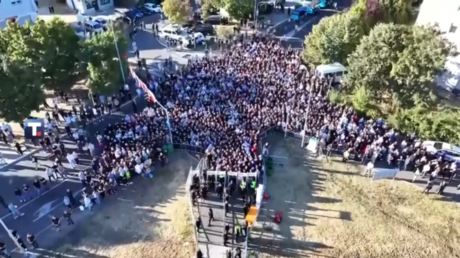
Thousands of people poured into the streets of the Serbian capital following the death of former Bosnian Serb military commander Ratko Mladic at the age of 84. He died on August 27, 2026. Weeks later, his passing triggered a wave of public demonstrations, heated commemorations, and intense international scrutiny. Why does this figure still command such polarized reactions decades after the Balkan wars ended? Let's break down what's actually happening on the ground and why it matters right now.
The Reality of Belgrade Streets Right Now
If you walk through Belgrade during these demonstrations, the atmosphere is heavy. You see two completely different realities occupying the same pavement. On one side, supporters line up to pay respects, viewing Mladic through the lens of wartime defense. On the other side, human rights activists and neighboring nations view the public outpouring with deep alarm, remembering the brutal ethnic cleansing and atrocities tied to the Bosnian War.
Security alerts spiked immediately. Embassies issued travel warnings. Public gatherings at locations like the House of the Serbian Army drew massive crowds, motorcades, and heavy police presences. It's chaotic. It's tense. And it proves that reconciliation in the region remains fragile.
Why the Divisions Persist Decades Later
You might wonder how a society can remain so deeply split after more than thirty years. The answer isn't simple, but it comes down to narrative control and generational trauma.
- Contlicting historical narratives: Schools in different parts of the former Yugoslavia teach radically different versions of the 1990s conflicts.
- The weight of international tribunals: Convictions by the International Criminal Tribunal for the former Yugoslavia are accepted as absolute truth globally, while many local supporters view them as politically motivated.
- Unresolved economic and social struggles: When living standards remain stagnant, historical grievances are easy political fuel.
Leaders often lean into these divisions instead of healing them. When a high-profile figure like Mladic dies, it becomes a flashpoint for people to project their unresolved frustrations onto the public stage.
What Most Observers Miss About Modern Serbia
Most foreign media coverage paints a broad, lazy brushstroke. They want you to think the entire country thinks one way or the other. That's false.
I've spoken with analysts who track Balkan politics closely, and the truth is far more nuanced. Many younger Serbians want nothing to do with the baggage of the 1990s. They care about jobs, housing, and getting EU membership. They view these mass demonstrations not as a renaissance of nationalism, but as the dying gasp of an older generation obsessed with yesterday's wars.
Yet, you cannot ignore the vocal minority—or sometimes majority depending on the neighborhood—who treat these funerals as major historical moments. The state walks a tightrope. Officials must manage public order while avoiding actions that alienate either nationalist voters or international partners.
Moving Forward Through the Noise
You have to look past the dramatic video footage and flashy headlines to understand the true trajectory of the region. Serbia sits at a permanent geopolitical crossroads between East and West. Every time an event like this occurs, the pressure mounts from Brussels and Washington to pick a definitive side and completely reckon with the past.
Ignoring the root causes of these public demonstrations won't make them disappear. True stability requires brutal honesty from political leaders on all sides, better educational curricula for the next generation, and an economy that gives people a reason to look forward instead of backward. Until then, every high-profile death from the Balkan conflict era will keep testing whether the peace can hold.
Mass Serbian public demonstrations mark Ratko Mladic burial
This video provides an on-the-ground look at the massive crowds and intense public demonstrations in Belgrade surrounding the funeral events of former Bosnian Serb commander Ratko Mladic.
http://googleusercontent.com/youtube_content/1