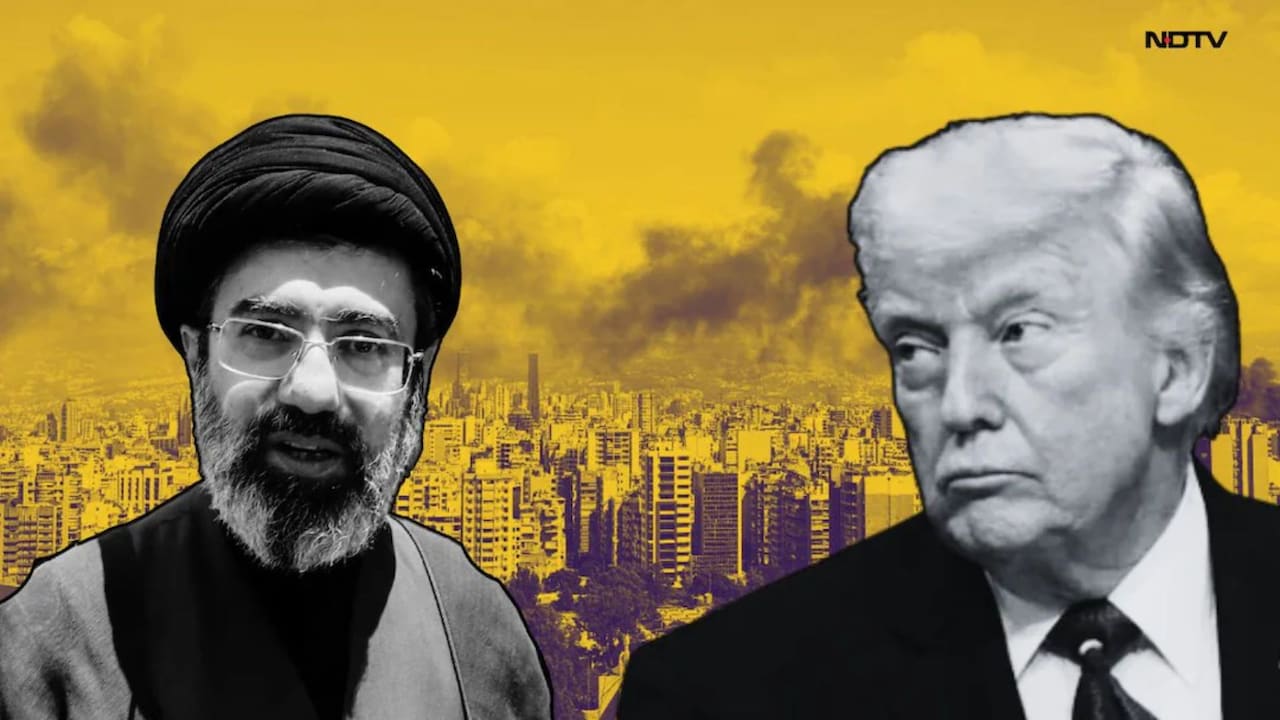
Donald Trump claimed it was happening. On Monday, he told the world that Iran requested a high-level meeting in Doha, hinting at a face-to-face breakthrough to save the fragile June 17 interim agreement.
It didn't happen.
Instead, Qatari Foreign Ministry spokesman Majed Al Ansari had to stand before reporters on Tuesday, June 30, 2026, and clear the air. There are no direct meetings scheduled between the United States and Iran in the coming days. No high-level Iranian delegation has landed in Doha to shake hands with American envoys.
The media immediately jumped on the contradiction, framing it as a classic case of diplomatic mixed signals or a flat-out refusal by Tehran. But that misses the point entirely. What's actually happening behind closed doors in Qatar isn't a collapse of diplomacy. It's a highly calculated, high-stakes game of indirect leverage where both sides are using mediators because they literally cannot afford to look weak at home after a brutal weekend of military exchanges in the Persian Gulf.
Understanding this dynamic requires looking past the surface headlines. Here's what's actually happening in Doha, why the direct talks vanished, and what it means for the future of the Middle East war.
The Illusion of the Face-to-Face Breakthrough
When White House spokeswoman Karoline Leavitt confirmed that Special Envoy Steve Witkoff and Jared Kushner were flying to Doha, the global markets expected immediate fireworks. Trump's rhetoric amplified that expectation. But seasoned diplomats know that direct talks at this stage of a conflict are incredibly rare, especially when the ink is barely dry on an interim pact.
Right now, Qatar and Pakistan are running back and forth between separate rooms. It's proximity diplomacy. The American team meets with Qatari officials, and the Iranian technical team does the same.
Why choose this painful, slow route? Because direct contact right now carries massive political risk for both administrations.
For Tehran, sitting across the table from Witkoff and Kushner right after American airstrikes hit Iranian positions over the weekend looks like an unconditional surrender. Iranian Foreign Ministry spokesman Esmail Baqaei made it clear that Tehran isn't ready for a final agreement. They're focused entirely on the preliminary steps.
For the Trump administration, sending Kushner and Witkoff straight into a room with Iranian diplomats would spark immediate backlash from hardline domestic allies who view the interim deal as too soft on sanctions relief. By keeping the communication indirect, both sides maintain plausible deniability while keeping the communication lines open.
The Weekend Violence That Ruined the Schedule
The real reason the diplomatic vibe soured this week lies in the waters of the Strait of Hormuz.
The initial 14-point memorandum of understanding signed on June 17 was supposed to buy 60 days of calm. It was a temporary breather to halt the war that began back in late February. The terms seemed straightforward on paper: Iran slows down its uranium enrichment, the US waives certain oil sanctions, and commercial shipping resumes through the world's most critical energy chokepoint.
Then the weekend happened.
An oil tanker carrying Qatari crude was struck by an unknown projectile in the strait. The US launched retaliatory strikes against Iranian positions. Iran fired back, targeting American naval assets and launching drone attacks toward Bahrain and Kuwait.
Just like that, the fragile peace was pushed to its absolute limit. Iran cited these US attacks as direct violations of the interim agreement and pulled out of a scheduled meeting on June 28. When you're trading missiles on Saturday, you don't sit down for a friendly chat on Tuesday. The lack of direct talks in Doha isn't an accident. It's the direct result of a ceasefire that's bleeding out in real time.
The Three Secret Tracks Happening Anyway
Don't let the lack of a grand handshake fool you into thinking nothing is getting done. Majed Al Ansari let a crucial detail slip during his briefing: technical meetings have not stopped.
While the politicians argue in public, technical experts are grinding away across three distinct tracks in Doha.
The Nuclear Track
Experts are trying to figure out how to verify the dilution of Iran's enriched uranium stockpile. It's one thing to agree to dilute uranium on paper; it's another to let international inspectors verify it when a war is still technically active.
The Security Track
This is where the real emergency management happens. Military and intelligence representatives are using Qatari backchannels to establish rules of engagement for the Strait of Hormuz. Both sides want to prevent another accidental weekend escalation from triggering a full-scale regional conflagration. They need to define what constitutes a violation before someone pulls the trigger again.
The Economic Track and the Six Billion Dollar Standoff
This is Iran's primary focus in Doha. An Iranian technical team arrived in Qatar with one main objective: securing the release of roughly $6 billion in frozen Iranian assets currently held in Qatari banks.
Tehran wants cash in hand before they negotiate a permanent truce. They're using the technical talks to audit whether they actually have access to these funds. Meanwhile, US officials are holding those billions back, insisting that no funds will be transferred until Iran demonstrates total compliance with the shipping lanes rules. It's a classic standoff.
The Fight Over Article 1 and Article 5
The underlying problem with the current diplomatic effort is that the US and Iran signed a document that they interpret in completely different ways. This isn't just a disagreement over dates; it's a fundamental clash over the scope of the agreement.
Iran is pointing directly to Article 1 of the memorandum of understanding. According to Tehran, the US promised to halt hostilities on all fronts, which includes forcing Israel to stop its military operations in Lebanon. Baqaei openly stated that the main criterion for Iran to move forward is Washington forcing what he called the "Zionist regime" to implement these commitments. If Israel keeps striking Lebanon, Iran views the US as being in breach of contract.
The US sees it differently. The American delegation is focused heavily on Article 5, which governs maritime security in the Strait of Hormuz. Washington argues that Iran's continued harassment of cargo ships and its weekend missile strikes on regional targets invalidate any immediate sanctions relief or asset transfers. Senate Minority Leader Chuck Schumer reflected this domestic pressure, criticizing the briefing given by the administration and warning that Iran could reap billions in oil revenue while retaining dangerous leverage over the waterway.
What This Means for Global Energy Markets
If you're watching this situation from an investment or energy perspective, the Doha deadlock is a major warning sign. Before the war began on February 28, a fifth of the world's oil moved through the Strait of Hormuz. The subsequent halt in maritime traffic triggered a massive global energy crisis.
The June 17 deal was supposed to fix that. But as long as the talks remain indirect and bogged down in technical disputes, shipping companies aren't going to risk sending multi-million dollar tankers through the strait. Insurance premiums for maritime transport in the Gulf are remaining sky-high.
We're looking at a prolonged period of volatility. The 60-day clock on the interim agreement is ticking down, and two weeks have already been wasted on posturing and tactical skirmishes.
Where Diplomacy Goes From Here
Forget about seeing a joint press conference with Jared Kushner and Iranian officials anytime soon. That's a fantasy. The immediate path forward is entirely dependent on small, unglamorous technical victories.
If you want to track whether these peace efforts are succeeding, ignore the political speeches from Washington and Tehran. Watch these three concrete indicators instead.
- The Asset Verification: Watch if Qatar actually moves any portion of the $6 billion into accessible accounts for Iranian humanitarian imports. If even a fraction moves, it means the technical track is working.
- The Strait of Hormuz Shipping Logs: Look at the actual number of commercial vessels crossing the strait. If major shipping lines continue to detour around Africa, it means the security track in Doha is failing to provide real guarantees.
- The Lebanon Ceasefire Implementation: Watch the intensity of the conflict between Israel and Hezbollah. Since Iran has tied its diplomatic participation to a halt in Lebanese hostilities, any escalation there will instantly freeze the technical discussions in Doha.
The situation in Qatar isn't a failure, but it's a stark reminder of how messy modern wartime diplomacy actually is. The two sides are talking, but they're doing it through a glass darkly, with Qatari diplomats holding the mirror. It's a slow, frustrating process, and with the 60-day deadline looming, time is running out.