You have probably seen the headlines. Three Americans were awarded $314 million over alleged torture by the Maduro government. A federal judge in Miami signed off on the staggering sum. It sounds like a massive victory. It sounds like justice, finally served.
But if you look past the eye-popping dollar amount, the reality of this case is far more complicated, dark, and frustrating.
This isn't just a story about a legal victory. It's a window into how a desperate regime uses human beings as poker chips, how a little-known anti-terrorism law is being used to fight back, and why actually seeing a single cent of that $314 million is going to be an uphill battle.
Let's get into what really happened, how we got here, and what this verdict actually means for the victims.
The regular guys who became political hostages
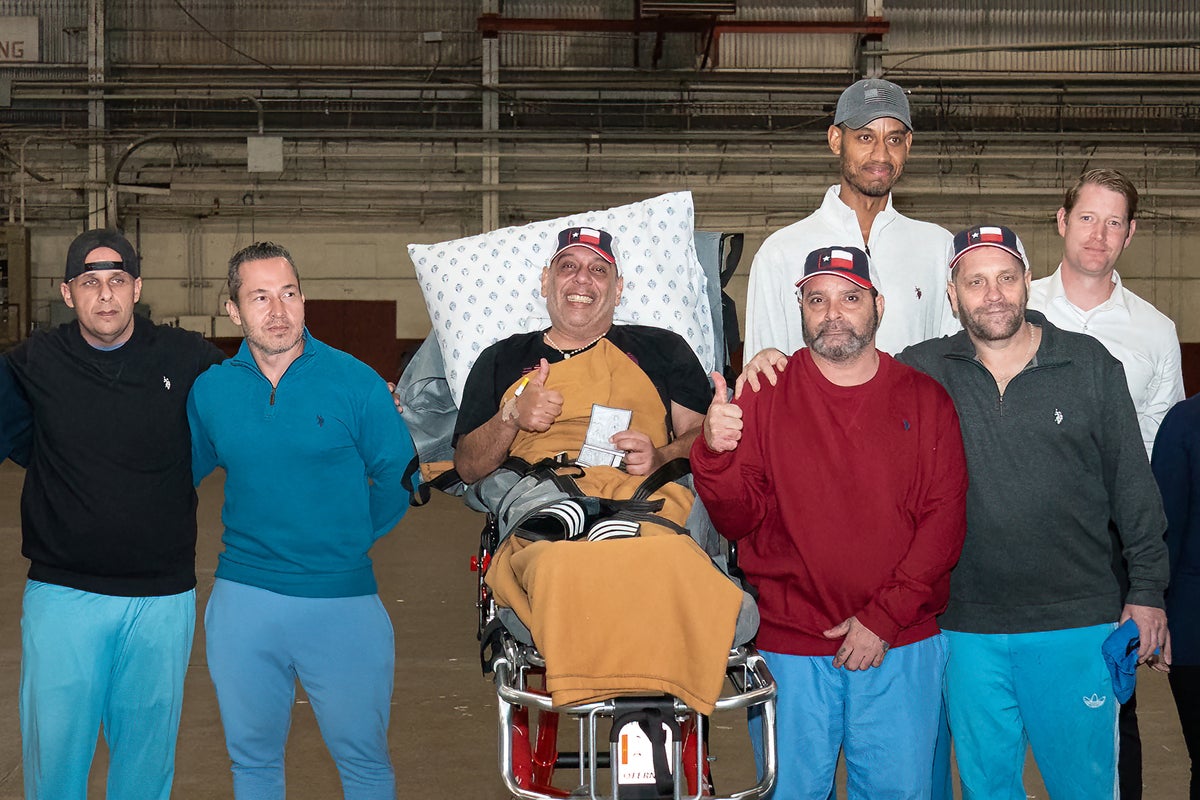
The three men at the center of this lawsuit aren't diplomats or undercover agents. They are regular guys who made the mistake of being in the wrong place at the wrong time.
Jerrel Kenemore was a computer professional from Fort Worth, Texas. He had been living in Colombia with a Venezuelan woman he met online while both were recovering from divorces. In 2022, armed gunmen abducted him near the border and handed him straight to Venezuelan authorities. He spent 643 days in a military prison.
Jason Saad, an Alabama native, had been living in Venezuela for several years, quietly working in construction.
Edgar Marval owned a business in Florida and did work in Venezuela.
All three ended up in the hands of Venezuela's feared military intelligence police. They were accused of spying, which is the standard playbook for the regime when they grab an American. The goal wasn't to prosecute a crime. The goal was to build leverage.
The torture they described in their lawsuit is stomach-turning. Electrocution. Stress positions. Brutal beatings. They were kept in dark, cramped spaces designed to break their spirits. The psychological damage from that kind of treatment doesn't just vanish when you step back onto US soil. It lingers for life.
The diplomatic swap that set them free
To understand why this $314 million verdict happened, you have to look at how these men got home.
In 2023, the Biden administration made a highly controversial deal. They agreed to free Alex Saab, a Colombian businessman who was widely known as Maduro’s primary financial fixer. Saab had been sitting in a US jail awaiting trial on massive money-laundering charges.
In exchange for Saab, Maduro released Kenemore, Saad, Marval, and several other detained Americans.
It was a classic hostage swap. It got our people home, which is always the priority. But it also sent a dangerous message: grabbing Americans works. If you want your top criminals back, just arrest a few tourists or local workers and wait for Washington to negotiate.
The story took another wild turn recently. Acting President Delcy Rodríguez handed Alex Saab right back to US authorities, and he is currently back in a US jail facing fresh charges. Because Saab failed to show up or respond to the civil lawsuit filed by the three Americans, Miami Federal Judge Darrin P. Gayles hit him, Maduro, and the "Cartel of the Suns" with a default judgment.
The legal trick to actually getting paid
Winning a lawsuit in a US federal court is one thing. Getting a foreign dictator to write you a check is another.
So, how do you collect $314 million from a regime that doesn't recognize US courts?
You use the Anti-Terrorism Act.
This is a specific federal law that allows American victims of foreign terror groups to go after the assets of their abusers. The plaintiffs argued that Maduro’s regime operates less like a government and more like a criminal syndicate. Specifically, they pointed to the "Cartel of the Suns"—a drug-trafficking ring run by high-ranking Venezuelan military officers.
Since the US government has labeled the Cartel of the Suns a foreign terrorist organization, the victims can legally target any of their frozen assets in the US.
But it’s not going to be easy. Dictators and drug lords don’t put bank accounts in their own names. They use shell companies, complex offshore trusts, and a web of front men to hide their cash. Finding those assets, proving they belong to the defendants, and legally seizing them is a grueling process that can take years.
What happens next for the victims
If you are following this case or similar international disputes, don't expect a quick resolution. The legal path forward is long.
First, the attorneys for the victims will start the tedious process of asset tracing. They will work with forensic accountants and federal agencies to identify frozen Venezuelan funds, luxury real estate, or hidden bank accounts linked to Maduro, Saab, or the Cartel of the Suns.
Second, there is the ongoing legal battle with Delcy Rodríguez. Her lawyers are trying to get her dropped from the case by arguing she has diplomatic immunity as a head of state. How the court rules on that will set a massive precedent for future lawsuits against foreign leaders.
For the survivors, this verdict is a validation of the horrors they endured. But the real work of rebuilding their lives—and fighting to get the money they are legally owed—is just beginning.