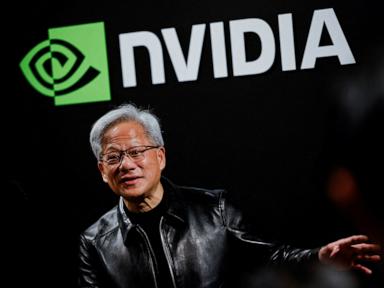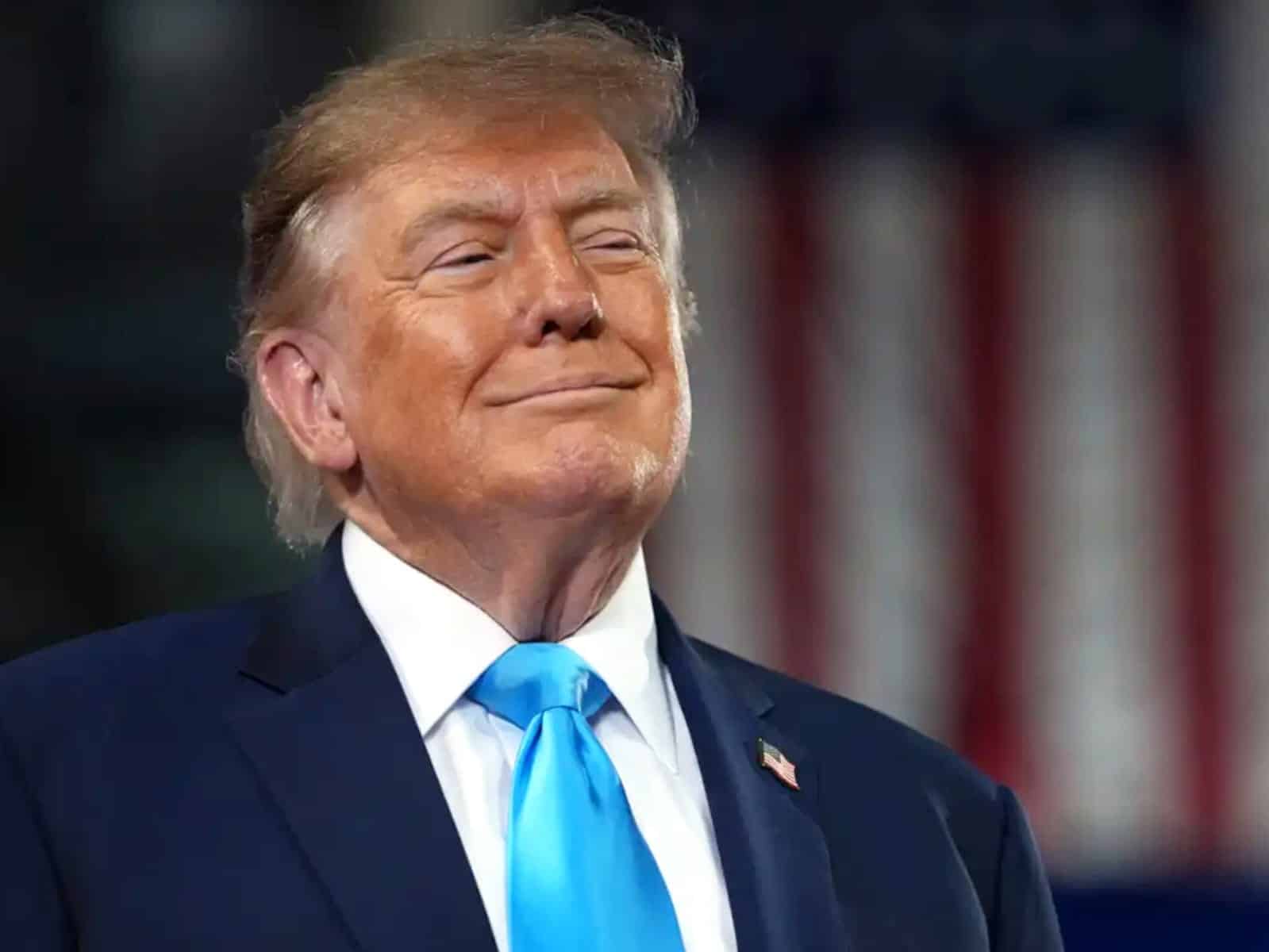
President Donald Trump says he convinced Nvidia's board to bring Jensen Huang back as CEO, claiming on CNBC that he spoke to directors directly and indirectly and gave them national security assurances. Markets cheered the move immediately. Nvidia shares jumped roughly 33% on November 23, 2026, pushing the company's market value back above $4 trillion just twelve days after Huang resigned.
Honestly, it's a wild reversal. Twelve days ago, directors signaled they weren't planning to put Huang back in the chief executive seat after controversy swirled around him and export rules. Now he's back on top, and the White House is taking credit for brokering the comeback. For a different look, see: this related article.
When a president steps in to sway a public board's leadership call, Wall Street treats it like a rescue. Washington treats it like a powder keg. Both reactions miss half the picture.
How Trump Framed His Push to Reinstate Jensen Huang
In his remarks to CNBC on Monday morning, Trump didn't play coy about his role. He said he had been talking to Nvidia's board directly and indirectly, told them Huang "did nothing wrong," and argued that losing Huang's "brain power" would be a bigger threat than keeping him. According to reporting from The Guardian, Trump also said the board asked for assurances on national security threats and that his administration provided them. Further coverage on this matter has been shared by The Motley Fool.
That framing matters. Boards rarely admit they caved to political pressure, and Nvidia's own explanation leaned on government input. As Mashable reported, the board pointed to input from senior U.S. government officials indicating Huang's reinstatement posed no national security risk.
Watch how the timeline unfolded over less than two weeks:
- Huang stepped down as Nvidia's CEO in mid-November amid intense scrutiny over national security and export control questions.
- Nvidia's board initially indicated it didn't intend to reinstate him, leaving markets rattled and scrambling to price in a post-Huang era.
- Over the weekend leading into November 23, 2026, Trump spoke with Huang and pressed the board, while administration officials stressed compliance with export controls.
- On Monday, November 23, Nvidia announced Huang was back as president and CEO, and shares surged.
What's striking isn't just that Trump weighed in. Presidents jawbone business leaders all the time. What's unusual here is a sitting president claiming he personally persuaded a multi-trillion-dollar board to reverse a post-resignation stance on a CEO tied to sensitive national security debates.
Why Wall Street Cheered While Lawmakers Bristled
From a pure market standpoint, you can see why traders bought the dip with both hands. Nvidia isn't just another chipmaker. It sits at the center of global AI infrastructure spending, and Huang has been the public face and strategic architect of that boom for years. When a founder-CEO exits abruptly, investors immediately worry about roadmap drift, lost engineering talent, and bruised customer relationships. Bringing him back—and seeing the stock jump to around $167.73 in late-morning trading, good for roughly a $4.059 trillion market cap according to 24/7 Wall St.—erased a big chunk of the post-exit anxiety in hours.
Yet Washington sees a very different set of stakes. Rep. Don Bacon, a Republican from Nebraska, pushed back sharply against the reinstatement and the administration's backing, arguing in a social media post covered by TIME that Nvidia should have moved on and warning against letting top AI technology reach China. Meanwhile, congressional Democrats have signaled plans to keep investigating export controls and related national security questions regardless of Huang's return to the corner office.
That clash exposes a real tension in modern tech policy. Investors tend to price short-term execution and market dominance. Lawmakers look at geopolitical leverage, export enforcement, and whether executive branch assurances settle anything on Capitol Hill. Spoiler: they usually don't.
The Unresolved Risks Behind the Stock Bounce
A massive single-day rally feels like closure. It isn't.
First, congressional oversight doesn't evaporate just because a board votes to reinstate a CEO. Committee staff and lawmakers on both sides of the aisle have raised questions about high-end chip sales, export compliance, and national security exposure. A presidential assurance on a cable news hit doesn't bind Congress or stop subpoenas and hearings.
Second, corporate governance watchers have plenty to chew on. When a board first signals it won't bring a departed CEO back and then reverses course days later after White House outreach, shareholders are fair to ask how independent the decision-making process looked. Even if you agree with Trump that Huang's technical vision is irreplaceable, governance credibility takes a hit when political intervention looks decisive.
Third, there's a separate regulatory cloud hanging over the company. Reports from Reuters cited by 24/7 Wall St. indicated that Securities and Exchange Commission enforcement officials have been looking into potential irregularities in Nvidia's financial reporting. A CEO comeback can calm product and AI infrastructure jitters overnight. It can't make an SEC inquiry disappear.
Here's the mistake plenty of retail investors make after a headline spike like this: assuming a sharp bounce means the storm has passed. Sometimes a stock jumps because forced sellers are done and momentum traders pile in, while the underlying legal and political overhangs take months to play out.
What Smart Observers and Investors Should Watch Next
If you're following Nvidia, AI policy, or market volatility around this story, don't stop at the CNBC soundbites. Focus on concrete signals over the coming weeks:
- Read official filings, not just cable clips: Check Nvidia's SEC filings and formal board disclosures for what the company actually states about governance, export compliance, and any ongoing regulatory inquiries.
- Track congressional committee actions: Watch whether House or Senate committees schedule hearings or request documents tied to AI chip export rules—political headlines can move chip stocks fast.
- Separate headline spikes from position sizing: If you trade or invest in semiconductor names, avoid chasing vertical green candles blindly without checking your risk tolerance and time horizon.
- Watch customer and enterprise commentary: Pay attention to hyperscalers, cloud buyers, and enterprise customers to see whether any political noise slows orders or changes deployment timelines.
Jensen Huang is back in the CEO chair, and the market gave that decision a roaring vote of confidence on November 23. Whether this turns out to be a clean reset or just the opening act of a longer Washington fight is a question nobody can answer from a single morning of television interviews.