Violence in the occupied West Bank is hitting a boiling point. If you only look at standard headlines, you miss the systematic siege happening on the ground.
Take what happened in Qusra, a Palestinian village near Nablus. Dozens of Israeli settlers swarmed the area, blocked local access roads, and trapped residents inside their homes. It wasn't a random flare-up. It was the culmination of weeks of calculated pressure designed to squeeze communities off their land.
Let's look at what's actually driving these events and why the standard political responses change nothing.
The Reality on the Ground in Qusra
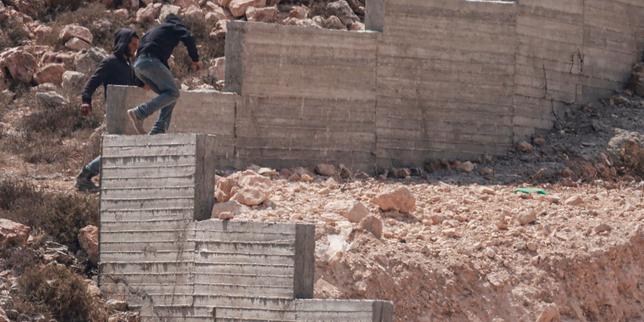
For nearly three weeks leading up to late August 2026, Qusra became a pressure cooker. Settlers choked off local entry points, turning daily life into an endurance test for Palestinian residents. When a large group of settlers finally breached the village properties, they hurled stones, encircled homes, and assaulted locals.
The military showed up, but critics point out that forces often failed to arrest the perpetrators, sometimes turning their interventions against the victims instead.
Honestly, it's a dynamic that repeats itself across the West Bank daily. Over half a million Israelis now live in settlements across the territory, alongside roughly three million Palestinians. Since October 2023, the death toll has climbed steeply, with tracking data showing over 1,100 Palestinians and dozens of Israelis killed in ongoing violence.
Why Benjamin Netanyahu's Reaction Matters
Following the attack on Qusra, Israeli Prime Minister Benjamin Netanyahu issued a sharp, unusual condemnation, calling the actions criminal and damaging to the country's image.
Why did he speak out this time? Because the scale of the siege and international media coverage made it impossible to ignore. But let's be real about political statements. Condemnations don't stop bulldozer tracks, and they don't dismantle the extremist networks driving the violence.
Far-right figures inside the governing coalition have historically shielded settlement expansion, making enforcement toothless. When local security forces stand by or disperse victims rather than attackers, words from Jerusalem carry very little weight on the dusty roads of Nablus.
Breaking Down the Broader Pattern
You can't understand Qusra without looking at the bigger picture. This isn't isolated. Nearby areas like Jalud face similar tactics: masked groups targeting farmers, journalists, and families under the passive gaze—or active protection—of armed units.
The strategy relies on slow strangulation. Block water lines, cut off harvest routes, launch sudden night raids, and let fear do the rest. Residents face an impossible choice: stay and risk everything, or pack up and abandon ancestral land.
What Comes Next for the Region
If you're tracking Middle Eastern politics, don't expect a sudden policy shift. The institutional momentum behind the settlement movement runs deep.
Watch the local resistance networks and international legal pressure instead. Grassroots documentation and mobile video footage remain the only tools holding the line, forcing governments to occasionally break their silence. Real change won't come from a press release out of Jerusalem. It depends on whether local communities can hold their ground while the rest of the world looks away.