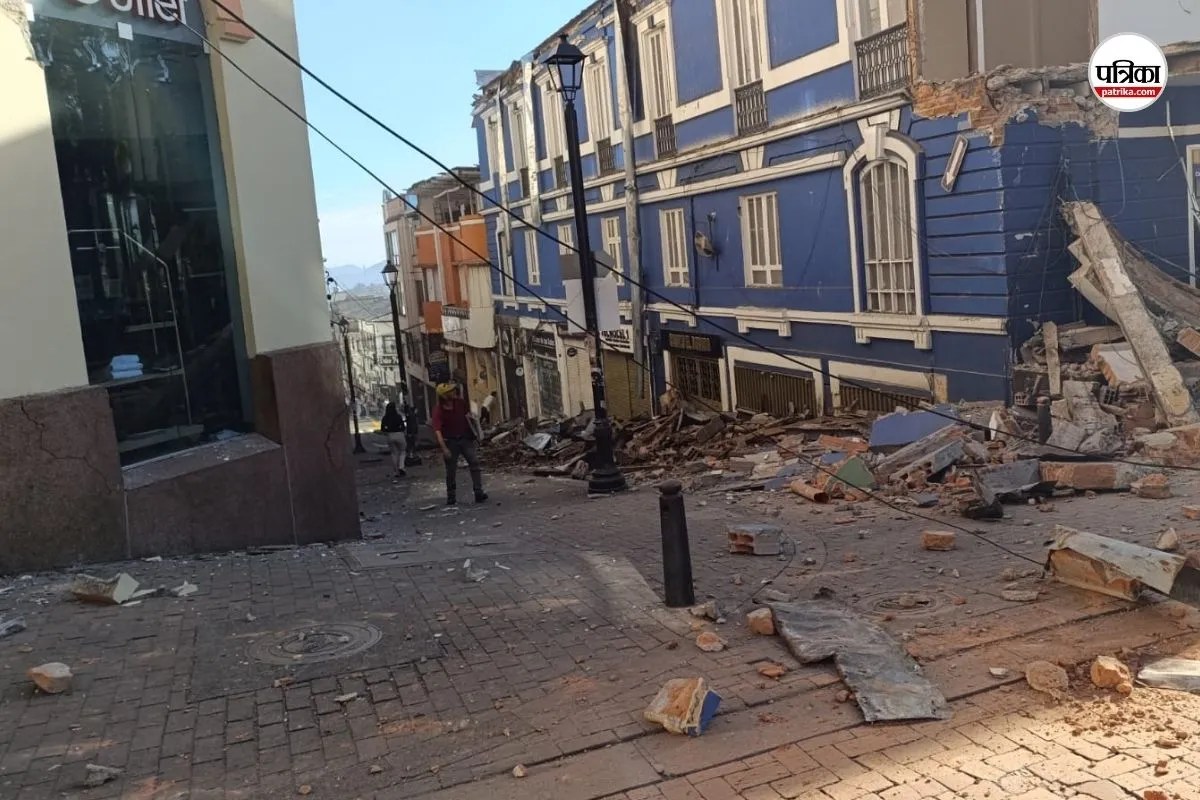
The ground didn’t just shake in western Colombia on Monday; it buckled under the weight of a massive 7.4 magnitude earthquake. This wasn’t a minor tremor. It was the strongest seismic event the country has faced in over a decade, and it hit with brutal timing.
As of right now, the death toll has reached at least 111 people, and that number keeps climbing as rescue crews push through the debris of collapsed buildings. If you're trying to make sense of what happened, you're not alone. The epicenter was near San José del Palmar, a region in the Chocó department known for its challenging, remote terrain.
The Reality on the Ground
It’s easy to look at a magnitude number on a screen and forget the human cost. In cities like Pereira, Cali, and Quibdó, life changed in an instant. Pereira’s airport terminal roof gave way, trapping travelers in a scene of absolute chaos. In Cali, over 30 buildings collapsed, and hospitals—already at capacity—had to evacuate patients after their own structures started to fail.
The Chocó region is notoriously difficult to navigate. Much of it is dense jungle, meaning help often has to come by air or river. When the epicenter of a massive quake is in one of the country's most impoverished and isolated areas, the logistics of a rescue mission become a nightmare.
Why This Hit So Hard
Colombia sits near the Pacific Ring of Fire, a region where seismic activity is essentially part of life. People there call them temblores. But a 7.4 is different. It’s a beast. Most people in the region are accustomed to smaller, manageable shakes, but this event tested the structural integrity of buildings that clearly weren't designed to handle such force.
Experts are pointing out that this disaster is the first major test for the new administration of President Abelardo de la Espriella, who was sworn in just days ago. He’s declared a national state of emergency and moved to establish a unified command post to manage the relief effort. It’s a baptism by fire in the most literal sense.
What Comes Next
If you are worried about the safety of loved ones or the future of the region, the situation is fluid. The Colombian Geological Service has already confirmed aftershocks of magnitudes 2.8 and 4.8. Those smaller shakes can be just as dangerous as the initial event when structures are already weakened.
Here is the current status for anyone needing to navigate the aftermath:
- Travel: Airports in Pereira, Manizales, Quibdó, Armenia, Cartago, and Buenaventura have suspended operations. Don't plan on moving through these hubs anytime soon.
- Infrastructure: Power, water, and cellphone reception are down in several areas. Communication is spotty.
- Safety: If you are in the affected region, stay out of buildings that show visible cracks or structural damage. Local mayors have been vocal about this—don't risk it.
This is a tragedy that will require a massive, sustained recovery effort. We aren't just talking about cleaning up rubble. It's about rebuilding entire schools, health centers, and community hubs that were wiped out in seconds.
For now, the priority remains the search for survivors. Every hour matters. If you're looking for ways to help, watch for official channels from the Colombian government or international aid organizations. Avoid donating to unverified sources that pop up in the wake of such news. Stick to established, credible organizations that have boots on the ground.
Stay alert and monitor local alerts if you are in or near the affected provinces. The danger isn't over until the geological authorities say the ground has settled.


