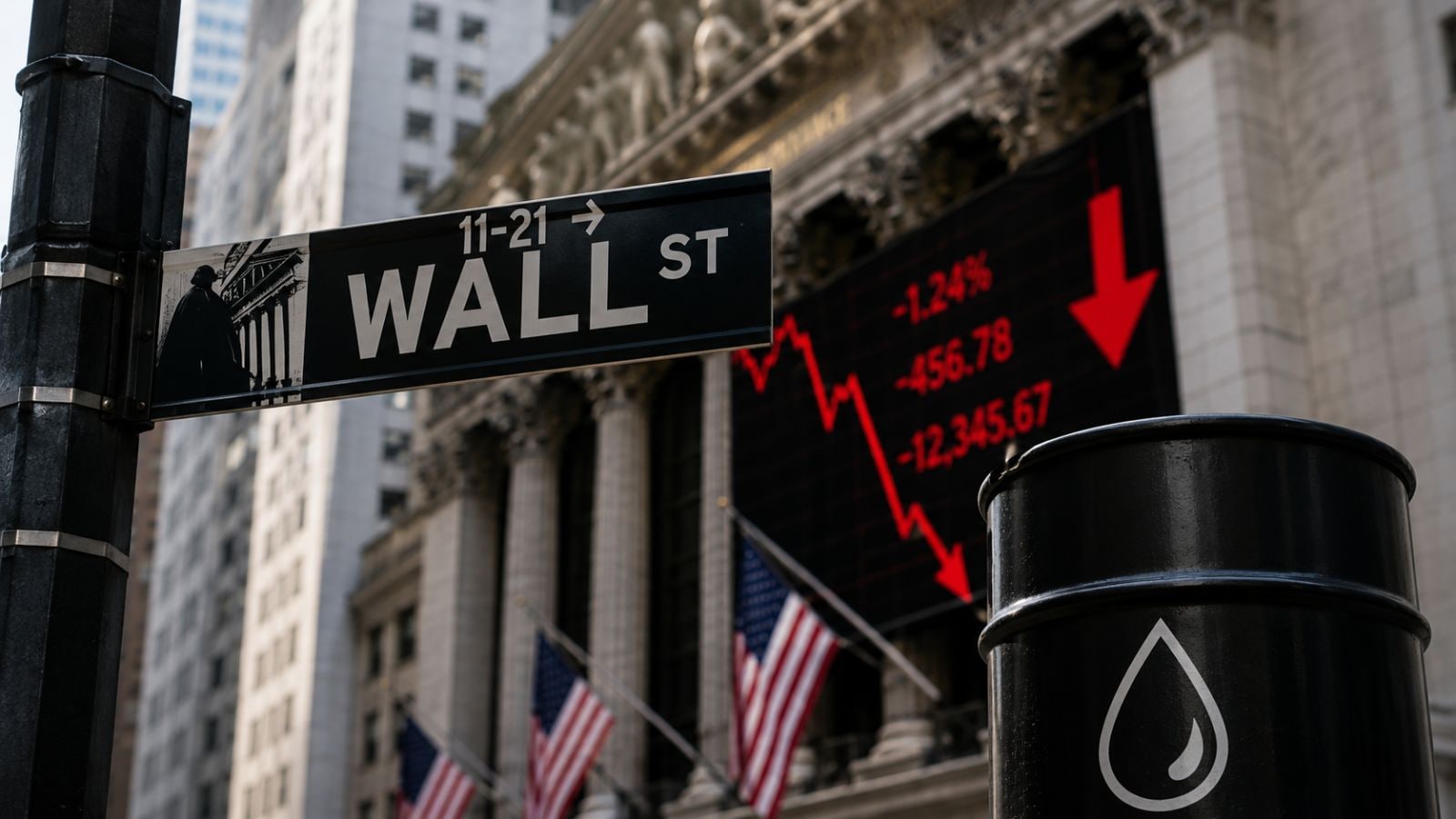
Tell someone filling up their tank or buying groceries that the U.S. economy is booming, and watch their expression. They probably won't argue with your math. They'll just look at you like you live on another planet.
Here's the weirdest contradiction of late 2026: recession pessimism is everywhere, right alongside real economic growth. According to the Bureau of Economic Analysis, U.S. real gross domestic product expanded at a 4.3% annualized rate in the third quarter of 2026, revised upward by 0.9 percentage point from the initial estimate and marking the quickest pace in three years. Corporate profits jumped by $206.0 billion in that same quarter. On paper, that doesn't look like a downturn. Yet millions of households feel like they're bracing for impact anyway.
Honestly, both things can be true at once. National output measures the whole machine humming along. Household budgets measure whether the gears are grinding your paycheck.
Why Recession Pessimism Refuses to Match GDP Headlines
Economists love pointing to top-line numbers. Fair enough. A 4.3% annualized GDP pace in Q3 2026—supported by a 5.8% jump in real final sales to private domestic purchasers and a 4.4% gain in real gross domestic income—shows real momentum in parts of the economy.
So why are so many people talking like a downturn is already here or right around the corner?
First, price levels don't reset when inflation slows. Even when year-over-year price increases cool, grocery bills, rent, insurance, and fuel sit on top of years of prior hikes. Rising energy prices in 2026—including a sharp climb in gasoline through the first three quarters and record diesel highs noted in energy market reporting—hit everyday travel and freight costs directly. When essentials cost more, a strong national growth rate feels abstract.
Second, a boom isn't evenly shared. Research on the K-shaped consumer economy from groups like the Federal Reserve Bank of New York and asset managers shows households earning over $125,000 often benefit from rising asset values and retirement balances, while lower- and middle-income households feel squeezed by everyday costs. If your net worth isn't riding market gains, someone else's spending spree doesn't pay your electric bill.
Third, policy shifts create friction before benefits show up. Tariffs and trade adjustments raise questions about import prices, supply chains, and business planning. Even when headline employment stays steady, uncertainty makes people cautious.
What People Actually Ask About Growth vs. Recession Fears
Can the U.S. be growing fast and still feel like a recession?
Yes, and it happens more often than people think. A recession in the traditional sense involves a broad, significant contraction in economic activity across the economy—typically tracked over time by institutions like the National Bureau of Economic Research using employment, output, income, and sales.
A household, though, doesn't experience a "national average." One family might see steady wages and a healthy 401(k). Another family down the street might face higher auto insurance, steeper rent, or stagnant take-home pay after taxes and healthcare costs. You can live in a growing country and still feel like your personal finances are shrinking.
Why do surveys show gloom when hiring and layoffs look calm?
Look closely at labor market dynamics analyzed by institutions like U.S. Bank using JOLTS data. Low layoffs keep many existing workers feeling secure enough to stay put, yet slower hiring rates mean fewer fresh opportunities and smaller pay bumps from switching jobs.
That "low-hire, low-fire" pattern explains a lot of quiet frustration. You might not lose your job tomorrow. Still, if you want a raise, a better role, or a way out of a tough workplace, doors feel harder to open.
Are GDP numbers trustworthy right now?
They're useful, not infallible—and they get revised as fuller data arrives. In the Q3 2026 second estimate, the BEA's 0.9-point upward revision reflected updated information on business investment (especially software) and consumer spending, alongside newly available service-sector data. Strong imports subtracted from GDP growth, which is standard accounting because foreign-made goods are subtracted after being counted in spending.
GDP is a rearview-to-present scoreboard, not a crystal ball. A third estimate comes out later in December 2026, and future revisions can always shift the picture further.
What Works vs. What Sounds Good in Theory
In theory, telling anxious households to "ignore the noise and look at the fundamentals" sounds calm and rational. In practice, it usually backfires. People don't budget around GDP revisions; they budget around rent due dates, car repairs, and grocery receipts.
On the flip side, assuming doom is inevitable because social media and headlines feel bleak isn't a strategy either. I've watched people freeze big decisions for years waiting for a crash that never arrived—or panic-sell long-term investments right as markets kept compounding.
The middle ground is way less dramatic and way more effective:
- Separate headlines from your cash flow. Track your actual monthly surplus or deficit, not just national forecasts.
- Watch fixed costs, not just impulse buys. Small creep in insurance premiums, subscriptions, and utilities often hurts more than an occasional dinner out.
- Keep career optionality alive. Even in slower hiring markets, updating skills and networking quietly beats scrambling during a crunch.
Practical Next Steps to Protect Your Finances Right Now
You don't need to predict next quarter's GDP print to make smarter moves this week. Start small and stay practical.
- Audit your last 60 days of spending. Circle every recurring bill and every price increase you didn't notice when it happened. Cancel what you don't use and call insurers or service providers to ask about current rates or deductibles.
- Build or top off a starter cash buffer. Aim for liquid savings that cover bare-bones essentials for a few months—or at least one unexpected car or home bill—so you aren't forced onto high-interest debt if costs spike.
- Avoid all-or-nothing financial moves. Don't dump your entire retirement portfolio out of fear, and don't stretch to max out debt assuming growth will effortlessly bail you out. Steady contributions and reasonable debt limits hold up in both strong and sluggish stretches.
- Check your real wage growth. Compare what you take home after taxes and essentials against what your core bills cost this year versus last year. That single comparison tells you more about your personal economy than any pundit on TV.
Economic data can look bright on a spreadsheet while life feels tight at the checkout counter. Focus on the numbers inside your own four walls, stay flexible, and don't let either blind optimism or constant doom make your money decisions for you.