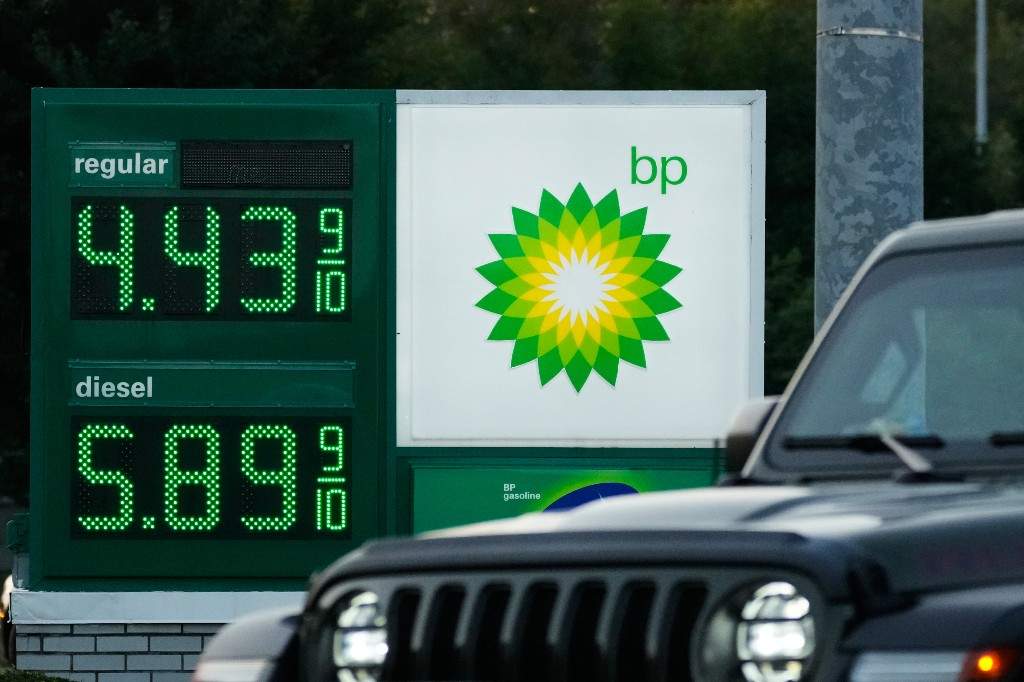
The fuel price conversation always defaults to regular unleaded. Drivers stare at gas station signs, complaining about the cost of a weekend road trip or commuting to the office. They're missing the real story. Diesel prices just crossed an all-time record average of $5.85 a gallon across the United States.
That number matters far more than what you pay to fill up your sedan. Diesel runs the entire global economy. When it spikes, every single thing you buy gets more expensive.
Why Diesel Controls the Supply Chain
Most people don't realize how deeply integrated diesel fuel is into daily life. You can choose to drive your car less when gasoline gets pricey. You can work from home or take public transit. You don't have that choice with food, clothing, and medicine.
Trucks, cargo ships, and freight trains burn diesel. Agriculture relies entirely on it. Tractors till the fields, combines harvest the grain, and commercial fishing boats use it to catch seafood. If it moves or gets grown, diesel powers the process.
Independent data shows that fuel accounts for up to 30 percent of total food distribution costs. When a gallon of diesel jumps, supermarkets don't absorb the blow. They pass it down.
The Geopolitical Trigger Behind the Surge
The current energy shock didn't happen in a vacuum. Six months of conflict involving the U.S. and Iran have choked tanker traffic through critical maritime checkpoints like the Strait of Hormuz. Crude oil prices climbed past $95 a barrel, dragging refined fuels right along with them.
Refining capacity is also stretched thin. Global inventories of middle distillates are dwindling rapidly. Analysts point out that physical stocks are running low, meaning the market faces a structural shortage rather than a brief fluctuation.
The Grocery Store Lag Time
When crude oil spikes, the pain at the pump is immediate. The pain at the grocery store takes a few weeks to show up.
Freight contracts buffer the initial shock. Retailers operate on tight margins, but as old agreements expire and fuel surcharges take full effect, prices at checkout climb. Fresh produce, meat, and seafood are the first casualties because they require continuous refrigeration during transit.
E-commerce giants and delivery carriers have already added logistics fees for third-party sellers. Those surcharges cascade down to small businesses and everyday shoppers. You're paying extra for shipping whether you order online or buy off a physical shelf.
Looking Past the Political Noise
Every energy crisis triggers political finger-pointing. Voters are already frustrated with economic management ahead of midterms, blaming whichever administration sits in Washington. But political rhetoric won't lower refinery utilization rates or reopen shipping lanes overnight.
When you adjust for inflation, past spikes—like the run-up to the 2008 financial crisis or the 2022 energy crunch—were technically higher in real dollars. That historical context offers zero comfort to a trucking company paying thousands more a week just to keep rigs on the road.
What You Can Do Right Now
Stop treating fuel costs as a distant macroeconomic problem. If you run a business, audit your shipping routes and consolidate freight loads immediately. If you manage a household budget, stock up on non-perishables before shipping surcharges fully hit retail shelves. Keep an eye on local logistics trends so you aren't caught off guard by the next wave of price adjustments.