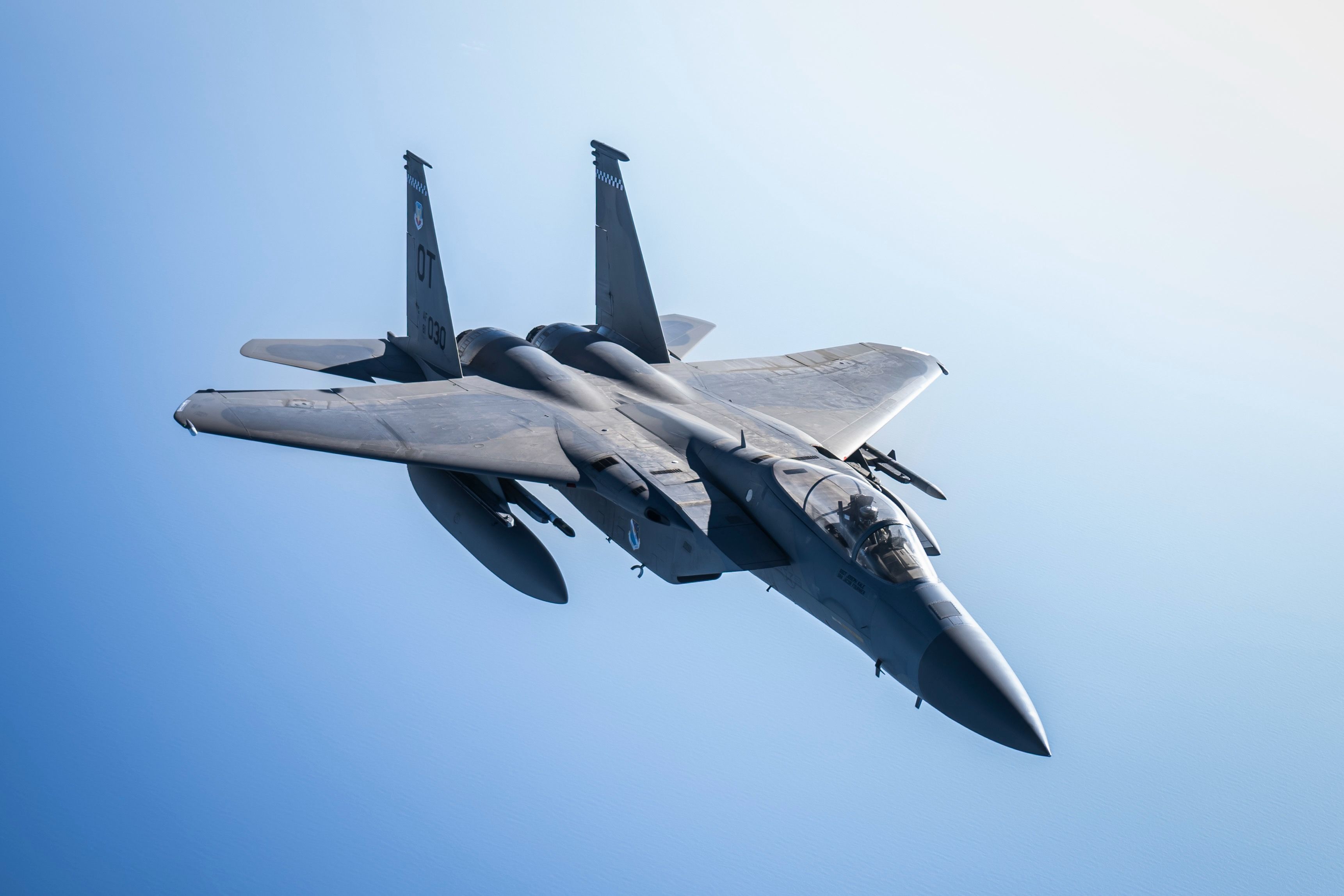
The calm didn't last. On August 18, 2026, the Houthis struck a refinery in Jazan, Saudi Arabia. They used drones to bypass defensive measures. This attack signals a sharp turn in the decade-long civil conflict that refuses to stay contained within Yemeni borders.
If you’ve been watching the Middle East, you know the situation is volatile. The Jazan refinery sits on the southern Red Sea coast. It’s a major piece of Saudi oil infrastructure. By hitting it, the Houthis aren't just making a tactical point. They are reminding the world that Saudi energy assets remain in their crosshairs.
The Breakdown of the Truce
For a while, there was hope. A 2022 truce offered a brief window where regional players could breathe. That window is officially closed. The Houthi military wing confirmed the strike, framing it as a direct response to airspace violations over Yemen's Saada and Hajjah governorates.
This isn't an isolated incident. Since July 2026, the region has been caught in a cycle of tit-for-tat escalation. When an Iranian plane touched down in Sanaa last month, it served as a clear indicator that the geopolitical ties fueling this war are stronger than ever. The Houthis haven't just restarted their campaign against the Saudi-backed government; they’ve moved to implement a maritime blockade.
Why Energy Markets are Nervous
Every time a refinery gets hit, energy markets twitch. Saudi Arabia is a global oil powerhouse. When drone swarms target facilities like Jazan, it creates an immediate sense of insecurity for regional shipping and oil production.
I’ve looked at the patterns over the last few years. The Houthis have moved beyond basic guerrilla tactics. They now possess sophisticated drone technology that can travel long distances. They’ve repeatedly targeted oil tankers in the Red Sea. They’ve also launched strikes against Saudi airports.
If you're paying attention to the logistics, you'll see why this is a nightmare for energy security. These drones are cheap to build but expensive to defend against. A single successful strike can disrupt supply chains that reach far beyond the Middle East.
The Wider Regional Conflict
It’s impossible to ignore the context. Yemen is no longer just fighting its own civil war. It is now a theatre for the wider West Asia instability that spiked in mid-2026. The Saudi-led coalition, which spent years bombing Houthi-held areas, finds itself back in the middle of a hot conflict it thought it had managed to stabilize.
The reality on the ground is grim. There’s no clear path back to the negotiating table right now. The Houthis are emboldened. Their rhetoric is aggressive. They are actively seeking to leverage their position to extract political concessions or simply to harass their adversaries until the cost of participation becomes too high for the Saudis to bear.
What Comes Next
For those trying to understand the economic impact, keep a close eye on the Red Sea shipping lanes. Security costs for vessels are likely to jump. Insurers are already factoring in the increased risk of drone attacks.
If you’re a business owner or an investor, don’t expect a quick resolution. These flare-ups aren't going to vanish overnight. The reliance on drone warfare makes this a low-entry-barrier, high-impact conflict for the insurgents.
- Watch for secondary reports. Official Houthi media often broadcasts these strikes hours before international outlets verify them.
- Monitor regional maritime alerts. Any expansion of the blockade will affect regional trade flows, specifically for goods moving toward the Bab el-Mandeb Strait.
- Analyze the Saudi response. So far, the Saudi response has been a mix of military action and diplomatic maneuvering. Watch how they adjust their defensive posture around critical oil facilities.
The situation is fluid. Treat any claim of a lasting peace in this specific corridor with extreme skepticism until the drone strikes stop for good. For now, the Jazan refinery strike is a blunt warning that the war is far from over.