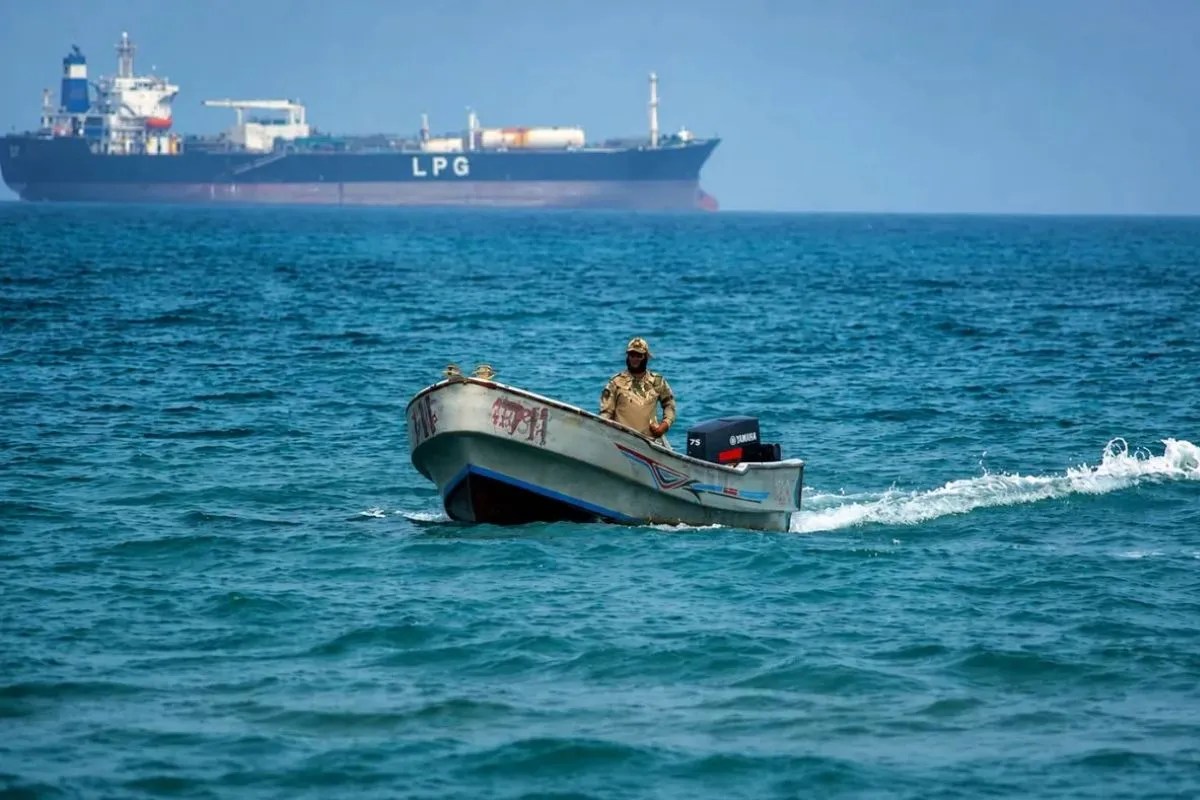
Global supply chains are always one bad headline away from panic. Lately, rumors have swirled that Yemen's Houthi movement is gearing up to charge a commercial toll for ships moving through the critical Bab el-Mandeb strait. Reports tied this idea to meetings held in Tehran following high-level diplomatic visits.
Let's clear the noise right away. Are commercial ships suddenly facing a formalized toll booth at the southern entrance of the Red Sea? Not quite. While discussions between regional actors have taken place, the operational reality on the water remains fluid, tense, and heavily contested. For another look, see: this related article.
The Tehran Connection and Strategic Posturing
To understand where these fee rumors originate, you have to look at the geopolitical chessboard. Following meetings in Iran, regional intelligence sources noted that the idea of regulating commercial traffic through the strait was floated. The Bab el-Mandeb strait connects the Red Sea to the Gulf of Aden. It handles a massive chunk of international cargo, energy supplies, and consumer goods moving between Asia and Europe.
Why talk about fees now? Simple pressure. Analysts point out that imposing financial or bureaucratic hurdles—or even the threat of them—serves multiple strategic goals for anti-Western alliances: Similar reporting on this trend has been published by The New York Times.
- Normalizing alternative authorities in key global maritime corridors.
- Increasing financial and psychological pressure on Western economies and allies.
- Carving out specific exemptions, such as keeping routes open for targeted trade partners like China, which relies heavily on regional energy supplies.
Yet, talking about a toll system and actually collecting money from diverse, multinational shipping lines are entirely different tasks.
Why a Formal Toll System is Hard to Execute
If you run logistics for an international shipping company, you aren't changing your routes based on casual diplomatic chatter. You look at risk matrices, insurance rates, and physical safety. Setting up a legitimate maritime authority requires infrastructure, radar, communication channels, and—most importantly—cooperation from the ships being taxed.
Right now, standard commercial carriers aren't lining up to pay non-state actors for passage. Insurance underwriters would spike premiums through the roof, making any transit financially unviable if formal, recognized security guarantees aren't present. Furthermore, the geopolitical backlash from maritime nations would be fierce.
Instead of a clean, organized toll system, what shipping companies actually face is ongoing volatility. The threat of sudden attacks or localized blockades forces captains to make tough choices. Do they risk the narrow strait, or do they take the long, expensive detour around the Cape of Good Hope? That detour adds weeks to transit times and burns thousands of extra gallons of fuel.
The Saudi Factor and Regional Pushback
The backdrop to these maritime tensions involves direct friction between the Houthis and Saudi Arabia. Recent announcements of naval coalitions and regional defense postures show that neighboring states aren't sitting idly by. Saudi Arabia, working alongside multiple international partners, has stepped up efforts to secure regional waters.
When local authorities declare naval blockades or embargoes, the economic shockwaves hit energy markets instantly. Crude oil prices react to every whisper of disruption in the Persian Gulf and Red Sea corridors. That's why international media jumps on every update coming out of diplomatic meetings in the Middle East.
What Logistics Managers Should Do Now
If you're managing supply chains that rely on Asia-Europe shipping lanes, stop reacting to every single rumor about transit fees or blockades. Build resilience into your scheduling instead.
- Factor in contingency timelines: Assume minor delays can blow out into multi-week schedule changes if regional escalations flare up.
- Review marine insurance policies: Know exactly what your current coverage includes regarding war risk zones and forced rerouting.
- Diversify freight options: Keep rail or air freight options on standby for high-priority components that cannot afford a maritime delay.
The situation in the Red Sea remains volatile. Keep a close eye on direct advisories from maritime trade associations rather than speculative headlines.