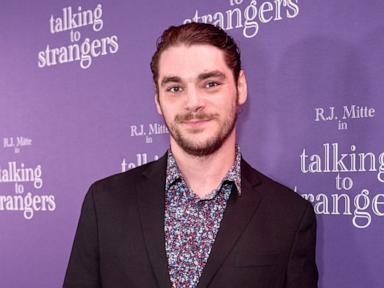
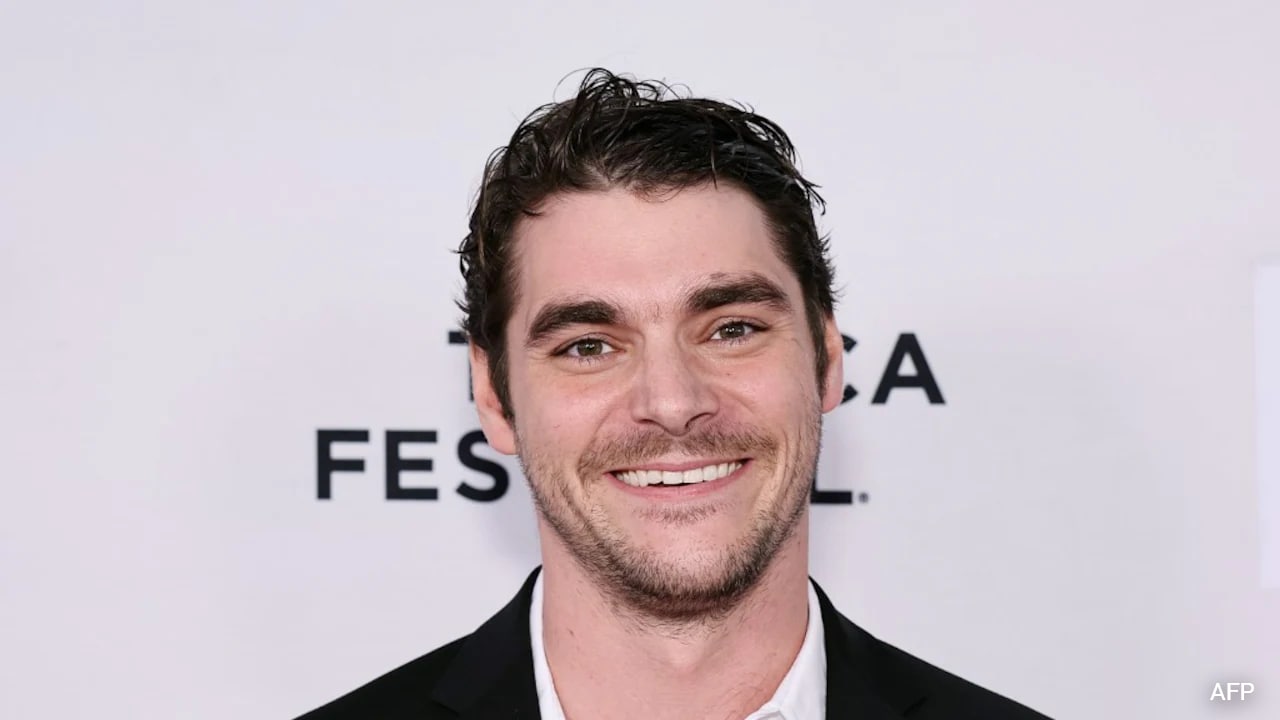
Television changed forever when a teenager named RJ Mitte stepped onto the screen as Walter White Jr. in Breaking Bad. Millions remember him hauling crutches across the Albuquerque desert or stubbornly demanding breakfast. Tragically, RJ Mitte passed away at the age of 34 in Brownsville, Texas. Representatives confirmed that the actor died by suicide, sending shockwaves through Hollywood and casting a heavy grief over fans who watched him grow up on television.
He wasn't just a beloved actor playing a complex character. Mitte spent years rewriting how disability was represented in mainstream media, using his platform to champion authentic inclusion long after the series finale rolled its credits.
The Reality of Playing Walter White Jr.
Casting directors often struggle to find authentic representation for characters with physical disabilities. When creator Vince Gilligan cast Mitte, the decision wasn't just about fitting a character description. Mitte brought his real-life experience with cerebral palsy to the set, a condition he was diagnosed with at age three.
Instead of playing a watered-down caricature, Mitte gave Walter White Jr. an unvarnished, authentic edge. He walked with braces and crutches in real life, though his cerebral palsy was milder than his character's physical presentation. To capture Walter Jr.'s specific gait and speech patterns, Mitte intentionally exaggerated his physical movements, working closely with trainers and medical professionals. It was grueling physical work that most viewers never noticed. They only saw a teenager fighting for independence against an overbearing, criminal father.
That authenticity turned a supporting role into the moral anchor of a show defined by darkness. When Walt Jr. turned against his father, the emotional weight of the series hinged entirely on Mitte's quiet, fierce delivery.
Advocacy That Outlasted Television
Hollywood loves to celebrate actors who talk about social causes during awards season, but Mitte lived his advocacy every single day. He didn't just walk red carpets; he served as a prominent ambassador for United Cerebral Palsy and Shriners Children's, while acting as president of the Mitte Foundation.
He frequently called out the entertainment industry for sidelining actors with disabilities. In numerous interviews, Mitte pointed out that disability is the largest minority group in the world, yet it remains the most underrepresented and misrepresented group in film and television. He didn't ask for handouts or special treatment. He demanded opportunities based on talent, proving that diverse casting makes stories richer and more truthful.
His work extended far past television sets. He spoke at high schools, universities, and corporate seminars, breaking down stigmas associated with physical differences. Co-stars like Bryan Cranston, Aaron Paul, Dean Norris, and Marlee Matlin flooded social media with heartfelt tributes, remembering a kind-hearted colleague who always looked out for others and approached life with infectious optimism.
Coping with Loss and Continuing the Conversation
News of Mitte's passing is a heavy blow. It serves as a harsh reminder that external success, fan adoration, and a legendary television legacy do not shield anyone from internal battles.
The outpouring of grief across social media proves how deeply he connected with audiences worldwide. Fans aren't just mourning a fictional character or a pop culture icon; they are mourning a genuine human being who used his time in the spotlight to make the world a bit more inclusive.
If you or someone you know is struggling or in crisis, help is available. In the United States, you can call or text 988 or chat at 988lifeline.org to reach the Suicide & Crisis Lifeline. Reaching out saves lives, and keeping those conversations open is the best way to honor the legacies of those we lose too soon.