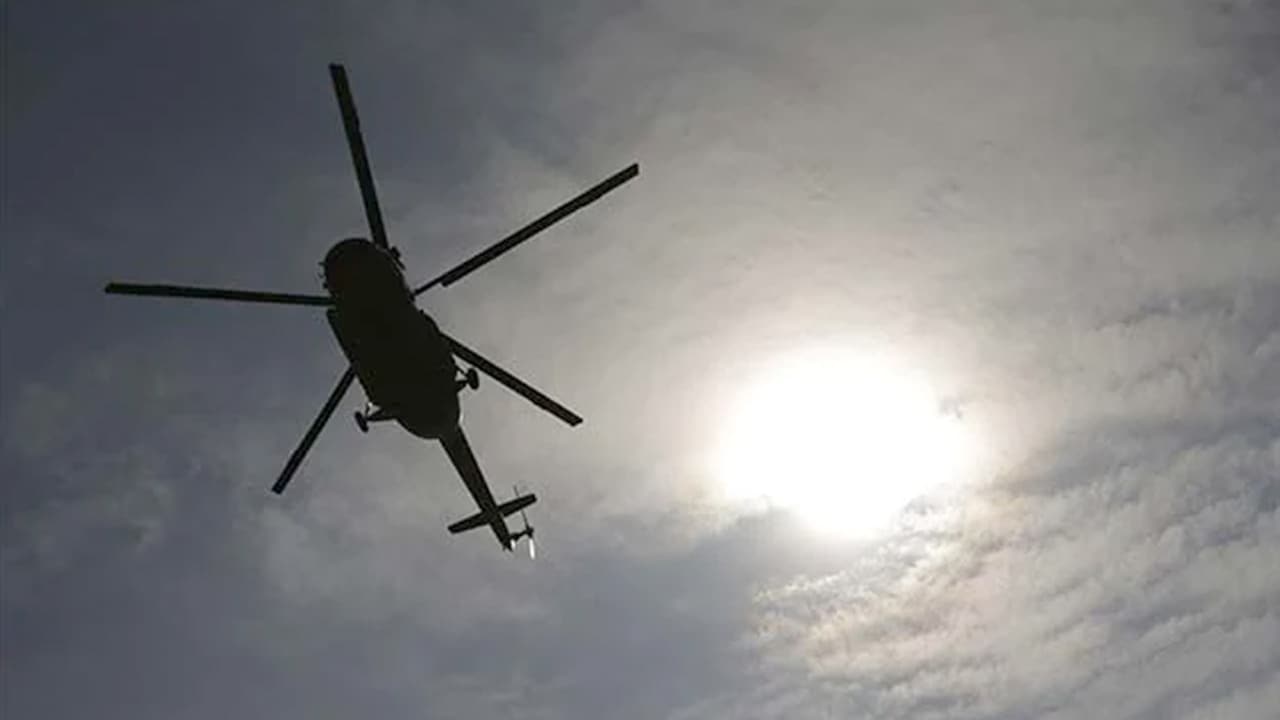
A routine mission turned into an urgent crisis when a flying doctor service helicopter carrying five people crashed near an airport on Borneo island in Malaysia. Aviation safety and rural healthcare delivery face intense scrutiny whenever incidents like this happen. Remote medical operations save thousands of lives each year, but they operate under brutal conditions.
Let's look at the reality behind remote medical aviation. Recently making waves recently: What Really Happened When Eiffel Tower Staff Walked Out Over Baps.
The Dangerous Reality of Rural Flying Doctor Operations
When people think about healthcare, they picture sterile hospitals, modern clinics, and instant access to advanced technology. They don't think about Sarawak's dense jungles, unpredictable tropical weather, or short take-off and landing strips carved out of difficult terrain.
Malaysia's Health Minister Dzulkefly Ahmad confirmed that the ill-fated aircraft carried a pilot alongside four ministry staff members. That team included a medical officer, an assistant medical officer, and two dedicated nurses. These professionals risk their lives regularly to deliver basic healthcare, emergency evacuations, and clinical services to isolated communities that lack roads or proper infrastructure. Additional details into this topic are explored by NPR.
Why do these missions remain so high-risk?
- Unpredictable weather shifts rapidly over tropical rainforests.
- Infrastructure constraints at remote airstrips like Long Lellang limit navigation options.
- Heavy reliance on rotary-wing aircraft in hostile environments stretches maintenance schedules.
What Happens During an Aviation Emergency in Sarawak
When a medical transport goes silent, a complex web of protocol swings into action. Malaysia's civil aviation authority was notified late in the afternoon after the aircraft went down near the airport. Local fire departments, medical authorities, and emergency rescue units immediately mobilized.
The transport ministry's air accident investigations bureau handles the aftermath. They look at flight logs, weather patterns, mechanical components, and pilot communication records. Yet, initial hours are always defined by painful uncertainty. Families, colleagues, and the public wait anxiously for updates while rescue teams battle rugged terrain on foot and from the air.
People often ask why these flights don't use more advanced tracking or automated ground systems. The truth is that remote Borneo presents dead zones that challenge even modern avionics. Satellite communication helps, but deep jungle can compromise signals.
The Human Cost Behind Healthcare Delivery in Isolated Regions
We take routine doctor visits for granted. In places like rural Sarawak, a flying doctor service represents the only lifeline between life and death. Nurses and medical officers board these helicopters knowing full well the hazards involved. They do it because snakebites, complicated pregnancies, severe infections, and traumatic injuries cannot wait weeks for a jungle trek.
When a crash occurs, it shakes the entire medical community. It exposes the vulnerable underbelly of public health logistics in developing and geographically fragmented regions. Governments are forced to reevaluate aircraft safety standards, pilot fatigue policies, and the frequency of route hazard assessments.
You cannot separate rural healthcare access from aviation safety. Every time a helicopter lifts off with a medical crew on board, it represents a calculated risk born out of absolute necessity.
Keep safety protocols and institutional support at the forefront when evaluating emergency response systems. Support emergency medical transport worker safety initiatives and demand transparent regulatory reviews whenever aviation accidents strike remote public health services.