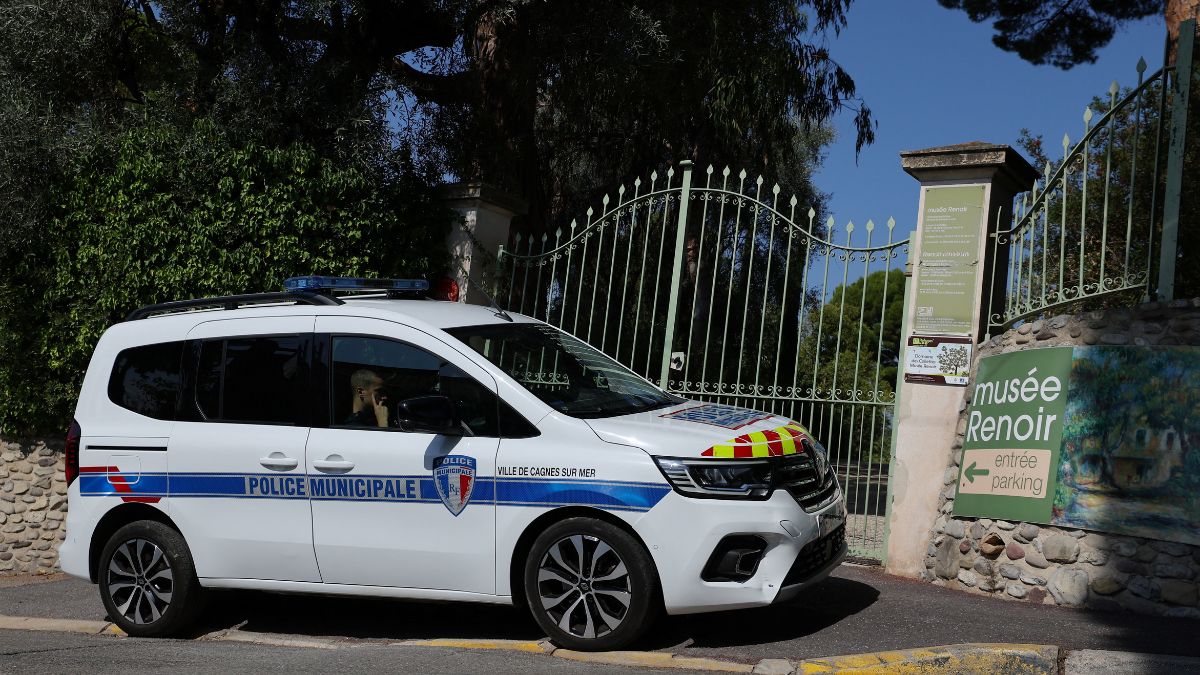
Security alarms scream into the early morning quiet on the French Riviera. Two masked figures smash through a glass window of the Renoir Museum in Cagnes-sur-Mer. They are not random opportunists looking for cash registers. They carry electric knives and metal saws, cutting frame pins with terrifying precision.
The early morning raid targeted four priceless artworks valued at roughly nine million Euros, or ten million dollars. Yet, the heist fell apart just as quickly as it started. Municipal police arrived in less than five minutes, forcing the burglars to drop two of the canvases in the garden as they fled into the darkness.
France has a serious art protection crisis on its hands. When professional thieves can waltz into a historic museum housing the former home and masterpieces of Pierre-Auguste Renoir, it tells you everything you need to know about the state of cultural security.
The Anatomy of a Blunder-Prone Heist
Mayor Bryan Masson confirmed that the Ramses security system tripped instantly at 5:48 a.m. By 5:53 a.m., municipal police officers were already on the scene. That response time is blazing fast. It saved half of the stolen loot.
The thieves knew what they were doing, but they misjudged local law enforcement speed. Wearing helmets, gloves, and camouflage fatigues, they made short work of the ground-floor paintings. They managed to rip four works off the walls, shoving them into zip-lock bags. But the sudden arrival of squad cars left them scrambling. They abandoned two paintings in the outdoor shrubbery during their hasty retreat.
Investigators from the Grasse public prosecutor's office are currently analyzing fingerprints left on those plastic bags. Even so, the fact that these criminals got inside at all exposes glaring vulnerabilities in regional European museums.
A Repeating Nightmare for French Heritage
This incident doesn't happen in a vacuum. It follows a string of high-profile security failures across the country.
Almost a year ago, the Louvre suffered a sensational heist. Thieves walked out with eight Crown Jewels of France from the Apollo Gallery. Those jewels remain missing today, representing an estimated loss of 88 million euros.
Following that massive scandal, the French Ministry of Culture swore they would make museum security a top priority. They rolled out a 33-measure plan in July, even recommending the temporary removal of sensitive pieces from display cases. Critics called the plan an overreaction at the time. Events in Cagnes-sur-Mer prove the Ministry was right to panic, even if their guidelines failed to stop this latest breach.
Smaller institutions like the Renoir Museum sit on picturesque hillsides, far from the heavy military patrols guarding central Paris icons. They house irreplaceable cultural treasures, yet their budgets and physical infrastructure often rely on outdated alarm systems and basic glass windows.
What Happens to the Recovered Canvases
The two recovered paintings remain sealed inside zip-lock bags while forensics teams process them for DNA and latent prints. Authorities have not publicly identified the specific canvases yet.
The museum itself occupies the gorgeous estate where Pierre-Auguste Renoir lived and painted from 1907 until his death in 1919. It holds about twelve original Renoir paintings alongside his personal easel, wheelchair, sculptures, and landscapes. Losing even a couple of these pieces permanently would have dealt a devastating blow to the town's heritage.
Town officials are calling the break-in a direct attack on local history. They aren't exaggerating. When cultural heritage sites become easy targets for organized art rings, small communities pay the price.
Governments can draft all the 33-point security plans they want. Until regional museums receive the funding, hardened glass, and rapid-response infrastructure required to deter professional crews, smash-and-grab raids on priceless art will keep happening.