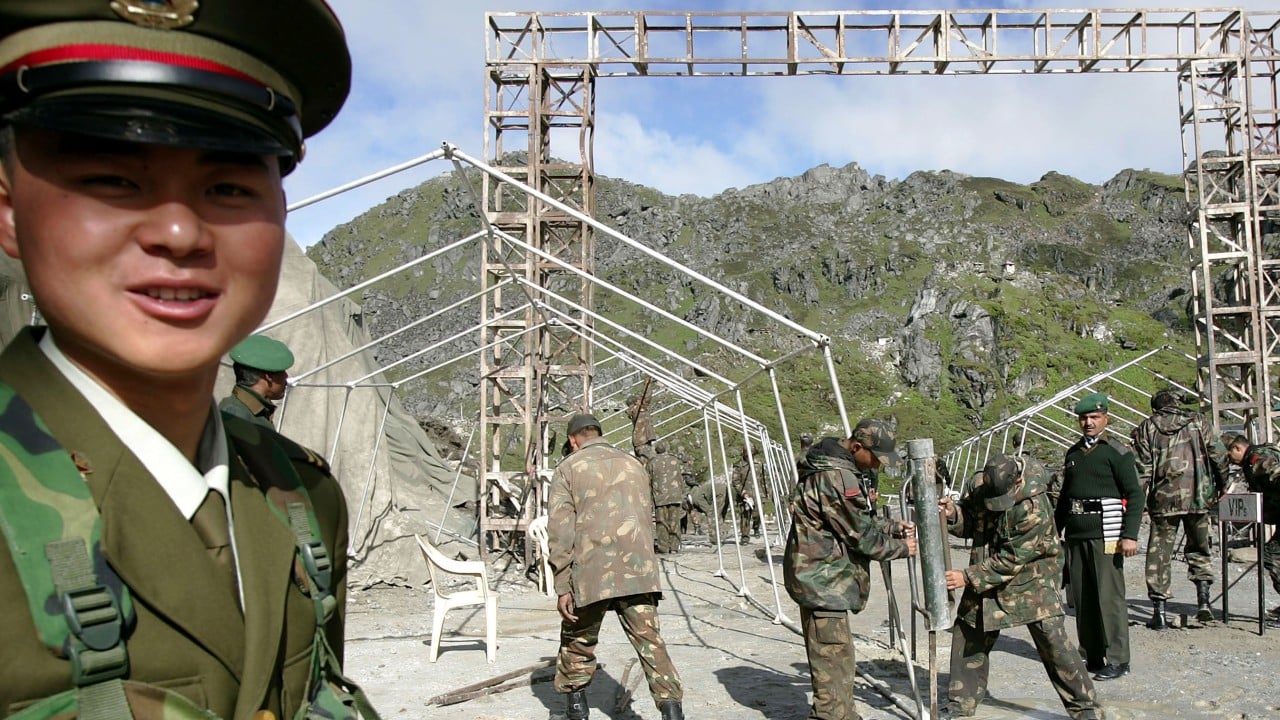
Six years of absolute silence at high-altitude mountain passes are finally ending. Trade trucks are rolling across the Himalayas again.
If you've followed Asian geopolitics, you know the border between India and China froze solid after the deadly Galwan clashes in 2020. Pandemic restrictions locked down the frontier tightly, and political frost kept it that way long after global lockdowns ended. Now, iconic trading hubs like Nathu La in Sikkim and Shipki La in Himachal Pradesh are throwing open their gates. Discover more on a similar topic: this related article.
Local merchants are breathing a massive sigh of relief. But this shift isn't just about local commerce. It points to a broader, pragmatic thaw between two nuclear-armed neighbors who realize permanent hostility costs too much.
What's Actually Changing on the Ground
Forget the grand diplomatic communiqués for a second. Look at the logistics. Additional analysis by Al Jazeera explores related views on this issue.
High-altitude border trade isn't massive container ships crossing oceans. It's localized, gritty, and deeply tied to traditional mountain communities. Under bilateral frameworks, routes like Nathu La and Shipki La operate for specific windows each year—typically from May through November before heavy winter snows choke the passes.
Traders from Indian border districts submit extensive applications, undergo strict security vetting by state home departments, and cross into the Tibet Autonomous Region to exchange goods. For six years, that lifeline was severed. Families whose livelihoods depended on cross-border wool, yak butter, spices, and local handicrafts had to pivot entirely to domestic markets or tourism.
The revival means regional economies in places like Kinnaur and East Sikkim are finally getting back to their historical normal. Customs posts like the Chhuppan Trade Mart are reactivating clearance procedures. The first batches of approved traders are already crossing over with vehicle-transported goods.
The Geopolitical Reality Behind the Thaw
Why now? High-level diplomacy rarely happens in a vacuum. Recent high-level meetings—including Foreign Secretary Vikram Misri's trip to Beijing and discussions following Shanghai Cooperation Organisation talks—signal a calculated return to managed coexistence.
Both New Delhi and Beijing are choosing to wall off contentious border rows to restore basic economic and security stability.
Does this mean the underlying territorial disputes are solved? Not a chance. The Line of Actual Control remains heavily militarized. Troops are still stationed near sensitive sectors, and deep-seated strategic mistrust hasn't vanished.
Yet, leaders on both sides recognize that a permanent state of total economic freeze serves neither economy. India needs stable regional dynamics while expanding its domestic manufacturing and infrastructure—such as the nearly complete Sivok-Rangpo railway link heading toward Sikkim. China wants to ease western frontier pressures while managing complex global trade headwinds.
What Most Observers Miss
Most headline writers treat border trade as a mere barometer of friendship. That is a mistake.
These high-altitude exchanges function as safety valves. When local borders stay open, economic interdependence creates a small stake for frontier communities in keeping the peace. It dampens the risk of local escalation.
At the same time, infrastructure is catching up. Road networks on both sides are vastly superior to what they were a decade ago. If trade volumes ramp back up safely, these mountain passes could handle higher commercial throughput before the winter freeze shuts them down again.
Keep an eye on the volume metrics over the next few months. Watch how many trader permits actually clear security. If the process runs smoothly without border flare-ups, expect other historic routes to follow suit.
Check local trade registries if you operate in regional import-export sectors near the northern frontier. Monitor bilateral foreign office updates for shifts in operating window extensions. Prepare for incremental commercial normalization rather than sudden grand bargains.