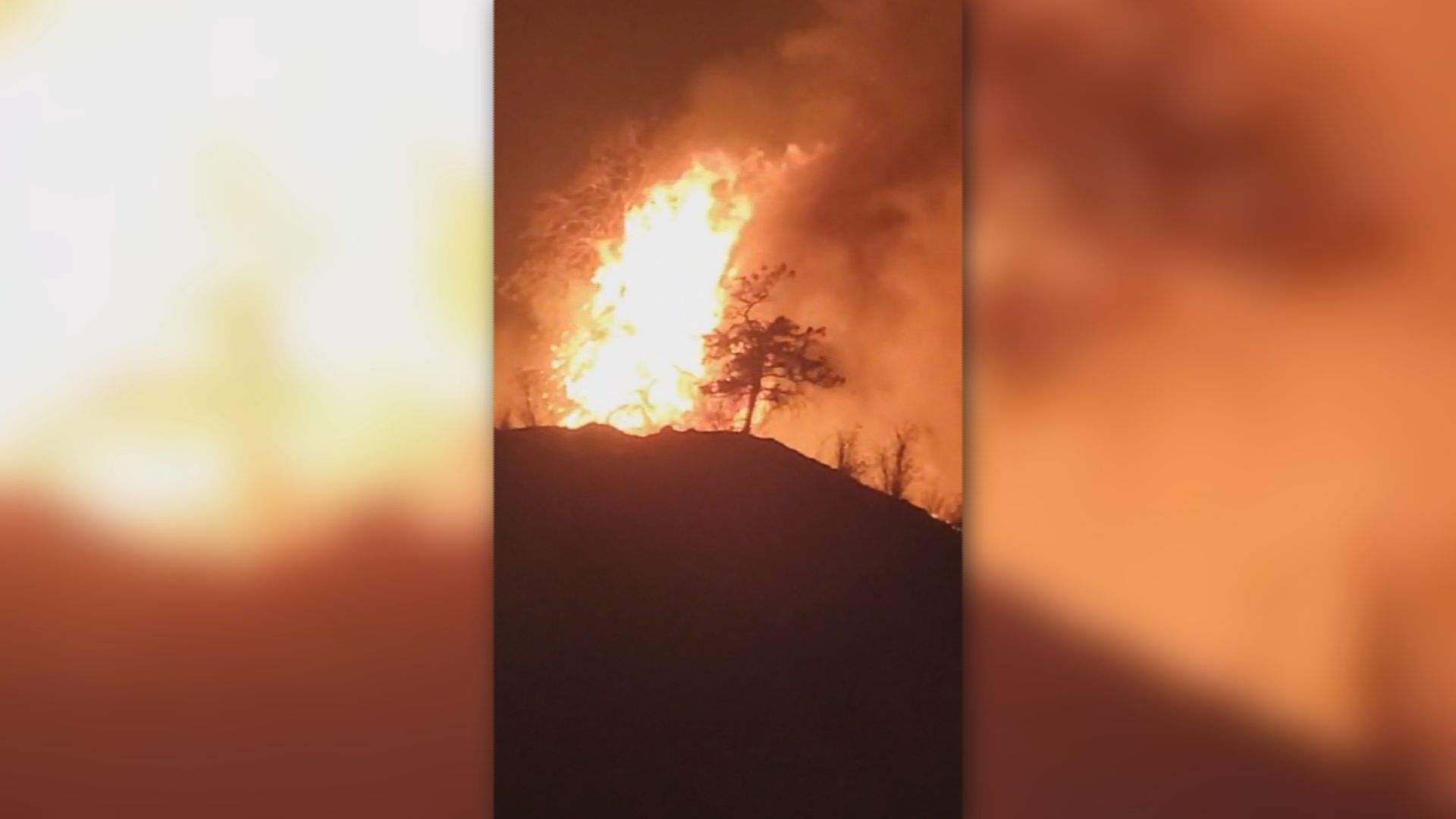
When an explosive wildfire forces an entire community to pack up and run in the middle of the night, human evacuees are only part of the story. Towns like Summerland, British Columbia, are packed with small farms, backyard livestock, and animal rescues that don't fit into the back of a standard sedan.
When the aggressive Bald Range wildfire tore through the region, the scramble to save animals exposed the raw, chaotic reality of rural disaster evacuation. For founders like Faith Affleck of Stars Piggly Wigglys Sanctuary, fleeing the fast-moving flames meant making impossible choices under terrifying conditions.
The Agony of Leaving Animals Behind
Faith Affleck evacuated to Okanagan Falls with a couple of her rescues, but the physical distance didn't stop the mental torture. She managed to get seven animals out safely before the lines closed. Her fiancé, Trevor, refused to budge. He stayed behind on the property to hold the line against the encroaching fire, armed with little more than grit, text messages, and a tiny power box to run a coffee maker.
Most people don't realize that standard emergency evacuation centers rarely accommodate pigs, goats, or dozens of horses. If you run a sanctuary or a small hobby farm, municipal evacuation plans often leave you to figure it out on your own.
Grassroots Rescues Step Up When Infrastructure Fails
Official emergency services have their hands full managing perimeter lines and traffic control. That leaves a massive gap for animal safety.
Independent volunteers and local networks filled that void during the Summerland emergency. Groups rolled into the danger zones with flatbeds and trailers, working straight through the night.
The numbers are staggering. In just the first twenty-four hours of peak chaos, ad-hoc rescue teams managed to pull out dozens of horses, goats, sheep, and household pets. These aren't paid municipal employees. They are community members, horse owners, and local farmers risking their trucks and their lungs to clear out pens before the smoke rolls in.
The Reality of Re-Entry and Assessing the Damage
Once the immediate wall of fire passes, the waiting game begins. Days later, regional districts started allowing farmers brief, controlled windows to return under special pass systems to feed livestock that had gone days without grain or fresh water.
Some returned to find total devastation—homes flattened, barns reduced to ash, and devastating losses among livestock. Others found minor miracles. Farms coated in thick layers of ash and soot where every single animal somehow survived the ember showers.
Communication during these windows remains a mess. Power grids fail, cellular towers drop, and information travels entirely through fragmented text chains and social media posts.
Practical Lessons From the Smoke
If you keep livestock or run rescues in a wildfire-prone zone, waiting for an evacuation order to figure out logistics is a fast track to disaster.
- Establish trailer partnerships: Don't assume you can rent or find a rig when the sky turns black. Pre-arrange transport agreements with neighbours outside your immediate hazard zone.
- Keep Go-Kits for animals: Halters, lead ropes, feed, and medical supplies need to sit right by the door. You won't have time to hunt for gear when visibility drops to zero.
- Know the local pass systems: Keep in touch with regional agriculture ministries and district offices to understand how emergency re-entry permits work before disaster strikes your fence line.
The Summerland fires proved that rural resilience relies entirely on neighbors helping neighbors. When the state of emergency is declared, saving the animals comes down to sheer human stubbornness.


