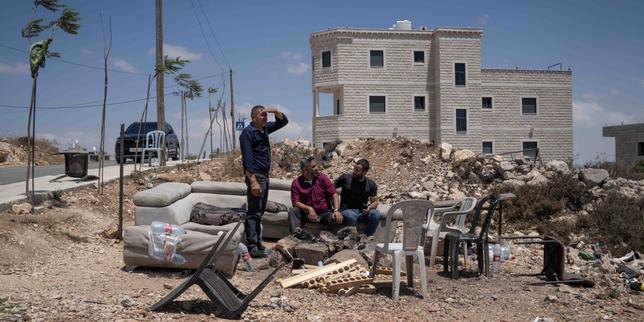
When formal protection breaks down, communities are forced to build their own shields. In Sinjil, a Palestinian town in the occupied West Bank, residents formed local protection committees to counter rising physical attacks.
Quiet nights in the region are often interrupted by sudden violence. Without immediate intervention, neighborhoods face property destruction, burned vehicles, and direct threats to homes. Local organizers stepped into this vacuum because institutional safety nets evaporated.
The Anatomy of Local Defense in Sinjil
Self-organization sounds straightforward on paper. In practice, it requires round-the-clock coordination, sheer physical endurance, and constant communication among neighbors.
Men from the town take turns monitoring perimeter areas every single night. They watch for unauthorized incursions from nearby outposts. When alerts sound, groups mobilize quickly to block access points and protect residential zones.
- Night patrols: Groups coordinate shifts to watch major entry points.
- Early warning systems: Residents share real-time updates via local communication channels to track suspicious movements.
- Asset defense: Neighbors actively rush to put out fires and shield homes targeted by arson or stone-throwing.
This grassroots mobilization isn't born out of tactical luxury. It comes from absolute necessity.
Why Institutional Protection Fails
Living under military occupation means standard emergency response structures rarely serve Palestinian towns equitably. When friction escalates between local farmers and aggressive outposts, official security forces often arrive late—or side with the aggressors.
Human rights monitors note that West Bank communities face severe structural pressures, record displacement numbers, and frequent property demolitions. When courts and external actors fail to enforce basic security, civilians have to rely on collective resilience.
"Without our committee, things would look entirely different right here on our streets."
The Daily Toll on Agriculture and Land
Defense in Sinjil isn't limited to protecting front doors. It extends deep into the agricultural fields and olive groves that sustain the local economy. Farmers face regular assaults while planting crops or harvesting.
When groups attempt to establish unauthorized outposts on municipal land, residents mobilize en masse to push back against the encroachment. Every tree planted and every shed defended represents a desperate attempt to preserve a foothold on ancestral ground.
What This Means Moving Forward
Grassroots committees keep towns functioning under extreme pressure, but they remain a stopgap measure. They cannot replace structural justice or stop systematic land appropriation on their own. Yet, for the families living through daily volatility in Sinjil, these networks are the thin line keeping total chaos at bay.
Cisjordanie : Les civils palestiniens s'organisent face aux attaques de colons israéliens
This video report highlights the everyday reality and grassroots organizing methods used by civilian patrols facing security threats in West Bank communities.
http://googleusercontent.com/youtube_content/1