Twelve people are dead. Over three hundred are injured. The strike on King Khalid International Airport in Riyadh wasn't just another border skirmish; it marked a terrifying escalation in a long-simmering regional conflict. When passenger terminals at a major international aviation hub turn into blast zones, the rules of engagement change instantly.
You cannot look at this strike in isolation. For years, the Houthi movement in Yemen traded cross-border drone and missile salvos with Saudi-led coalitions, but civilian infrastructure deep inside the Saudi capital largely remained resilient or heavily protected. That illusion shattered when a series of coordinated strikes hit King Khalid International Airport, culminating in a devastating explosion near departure gates like gate 401. Passengers ran for their lives as ceilings collapsed. The death toll includes four Saudi nationals, two individuals from Bangladesh, and one citizen each from the United States, Egypt, Jordan, Syria, Sudan, and the Palestinian territories.
The Immediate Aftermath and International Shockwaves
Saudi civil aviation authorities suspended operations immediately. Entrances were blocked, police presence surged, and flights diverted across the region. But the operational halt at the airport is only the surface problem.
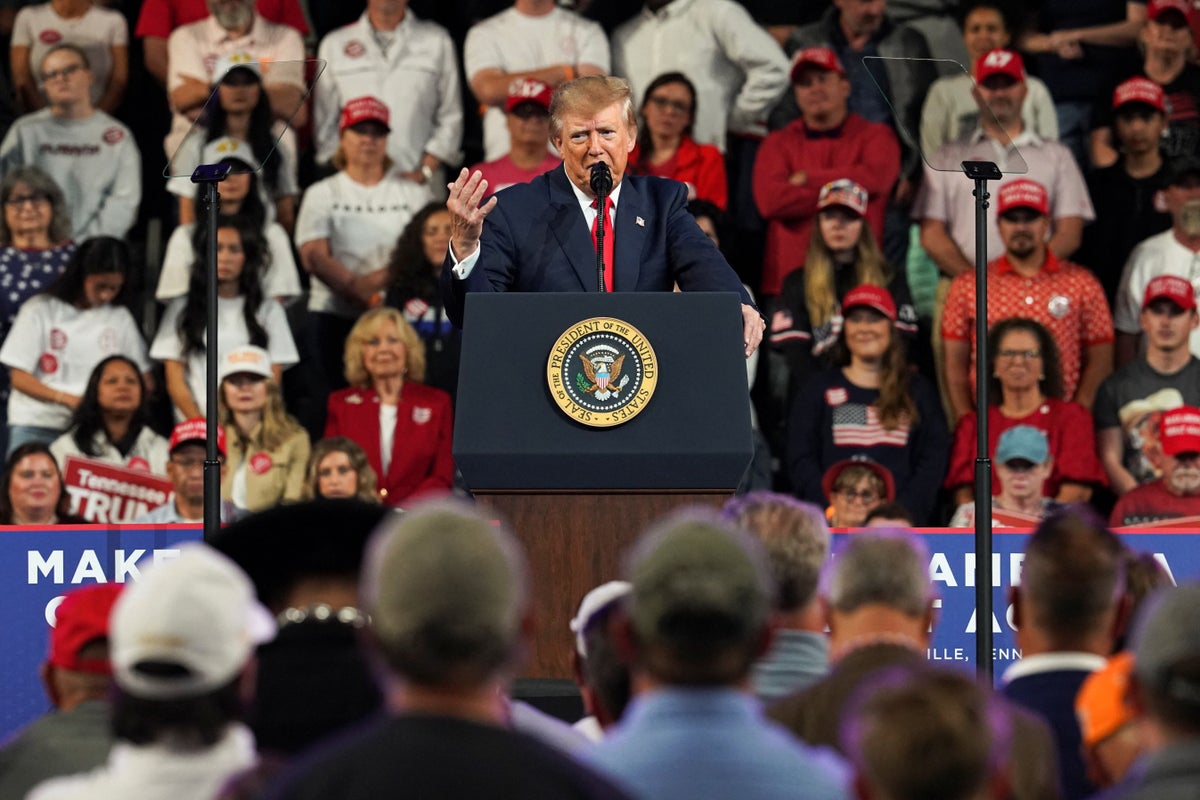
The political fallout hits harder. U.S. President Donald Trump addressed reporters shortly after the attack, stating that Washington was actively evaluating whether to join Saudi retaliatory strikes against the Houthi rebels. Secretary of State Marco Rubio confirmed that an American citizen was among the fatalities, calling the strike a blatant disregard for civilian life. Meanwhile, the Saudi-led coalition labeled the assault a fully-fledged war crime, vowing a swift and firm response.
Why did this happen now? Timing matters. The strike followed a major military offensive launched by the Saudi-backed Yemeni government against Houthi-held territory. The Houthis responded with a ferocious campaign targeting airports, military facilities, and energy infrastructure.
What Most People Get Wrong About Houthi Capabilities
Many analysts previously assumed that Houthi projectile campaigns were largely symbolic or easily neutralized by advanced air defense architectures. Recent events prove otherwise. Houthi forces have refined drone and missile technology, utilizing asymmetrical tactics that strain defense grids when launched in heavy volume alongside simultaneous regional flashpoints.
When a commercial hub takes a direct hit, the economic and psychological toll multiplies. Tourism, foreign investment, and business confidence take immediate hits. Airlines suspend routes. Travelers scramble. Insurance rates for Middle Eastern airspace skyrocket overnight.
The Risk of Regional Contagion
The danger right now isn't just localized fighting between Riyadh and Sanaa. It's the risk of total escalation involving external superpowers. If the United States steps up direct military intervention against Houthi positions in Yemen, the conflict risks pulling in broader regional networks. Shipping lanes in the Gulf of Oman have already faced disruptions, with U.S. forces actively disabling commercial vessels linked to Iranian ports.
Diplomacy is currently taking a backseat. Both Riyadh and the Houthi leadership have signaled a preference for military escalation rather than returning to stalled peace talks. Civilians are paying the highest price for this deadlock, trapped between shifting frontlines and aerial bombardments.
If you are tracking Middle East security, watch the rhetoric coming out of Washington and Riyadh over the next forty-eight hours. The response won't just shape Saudi airspace; it will determine whether this localized war expands into a broader conflagration.