You break into a business, grab your loot, and run outside to find your getaway driver calmly waiting at the curb. The driver doesn't panic. The driver doesn't speed. In fact, the driver obeys the exact speed limit, stops fully at every red light, and perfectly navigates the chaotic streets of San Francisco.
Oh, and the driver is a computer.
This isn't a scene from a futuristic heist movie. It happened in San Francisco's Marina district. A burglar targeted the Hot 8 Yoga studio, walked out with an armload of high-end men's activewear, and hopped straight into a waiting autonomous Waymo vehicle. Six months later, the thief is still completely in the wind.
If you think a self-driving car packed with high-tech sensors is a rolling surveillance nightmare for criminals, you're missing the bigger picture. In reality, tech companies might have accidentally built the perfect escape vehicle.
The Perfect Crime in a Driverless Car
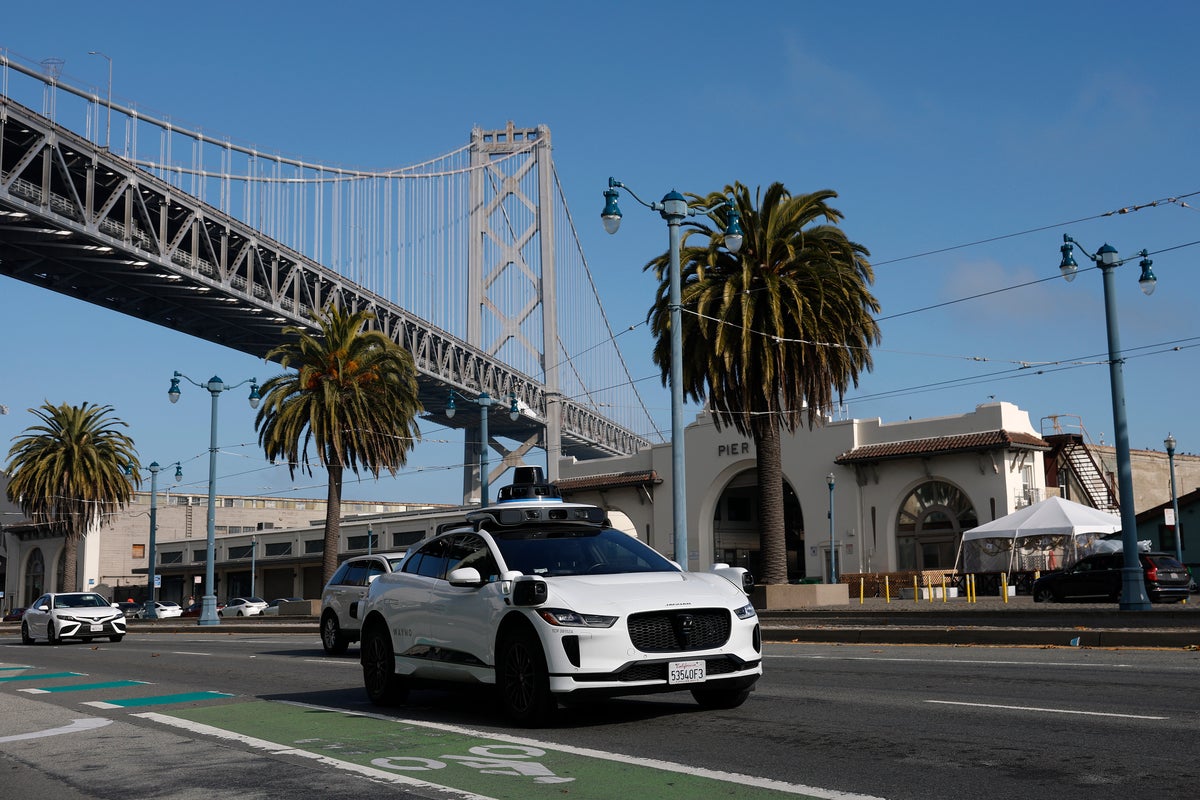
The mechanics of the heist were shockingly simple. In January, a suspect hailed a Waymo robotaxi and directed it to the yoga studio. According to surveillance footage kept by studio manager Farah Issa, the white Jaguar I-Pace dropped the passenger off and idled patiently outside.
The thief was inside for less than three minutes. He grabbed a massive stack of pricey athletic shorts, marched back out to the street, threw the stolen merchandise into the Waymo's trunk, and climbed into the back seat. The autonomous vehicle then quietly rolled away, blending right into traffic.
When San Francisco Police Department Sergeant Tim Faye took the case, he thought it would be an absolute slam dunk.
"I would think it would be easier to solve in a Waymo," Faye told the San Francisco Chronicle.
It makes sense on paper. Every single Waymo on the road is a rolling fortress of data collection. The latest models boast 29 separate high-definition cameras, radar, and LiDAR sensors giving a 360-degree view of the world. Plus, you can't just hail a autonomous ride with cash. You need an app, an active account, and a credit card.
Yet, half a year later, the SFPD has exactly zero suspects. The investigation hit a wall because of the massive clash between digital privacy laws and corporate data retention policies.
Why 29 Cameras Saw Absolutely Nothing
The biggest shock for investigators was how quickly the digital trail went cold. Cops routinely pull video from Teslas and autonomous vehicles to build crime timelines. Sometimes they even secure warrants to tow entire cars just to preserve the hard drives.
But in this case, bureaucracy dragged its feet. By the time the SFPD served a search warrant to Waymo in April—roughly three months after the crime—the most critical evidence was already destroyed.
- The Interior Cleanout: Waymo does not publicly disclose its exact data retention schedule, but the company had already completely purged the vehicle's cabin footage by April. No interior video meant no clear shot of the thief's face inside the car.
- The Privacy Blur: Waymo's exterior cameras did capture the scene, but the company automatically blurs all faces and license plates to protect the public's privacy. The resulting footage was entirely useless for identification.
- The Ghost Account: The credit card and user profile tied to the ride led straight to a dead end. Investigators discovered the account was created using stolen financial credentials and a burner phone.
Waymo fiercely defends its strict stance on data handling. A company spokesperson noted that they heavily scrutinize law enforcement requests to ensure they are legally valid, pushing back or demanding police narrow their scope to protect passenger privacy. They also explicitly state they don't use facial recognition technology.
While that's great news for civil liberties advocates who worry about autonomous fleets turning into a mass corporate surveillance network, it leaves a massive loophole for tech-savvy criminals.
When Robotaxis Choose Not to Run
This isn't the first time a criminal has tried to use Alphabet's self-driving fleet for a fast escape, but it's the first time it actually worked.
Last year, a shoplifter hit a grocery store in Los Angeles and hopped into a waiting Waymo to flee the scene. The outcome there was completely different. LAPD cruisers quickly caught up to the autonomous Jaguar. When the officers flipped on their emergency sirens and flashing lights, the Waymo's onboard software recognized the emergency vehicle, pulled over to the side of the road, and stopped. The suspect was arrested right out of the back seat.
The difference in San Francisco was that the yoga studio thief didn't trigger a police chase. He treated the robotaxi like a normal Uber or Lyft, completely exploiting the fact that the vehicle has no human driver to say, "Hey, why do you have an armload of stolen clothes, and why are we rushing?"
The car did exactly what it was programmed to do: transport a paying passenger safely from point A to point B without asking questions.
How the Legal System is Falling Behind
The Hot 8 Yoga burglary exposes a massive gap in how our legal system interacts with autonomous tech. When a human rideshare driver unknowingly drives a bank robber away from a crime, that driver immediately becomes a key witness. They can describe the suspect, give context to the behavior, and cooperate with the police in real time.
A robotaxi cannot testify. It doesn't have gut feelings. It doesn't notice if a passenger is sweating, nervous, or carrying items with security tags still attached.
Right now, police departments are treating autonomous vehicles like digital witnesses, assuming the data will always be there to solve the crime. But as this case proves, if tech companies continue to prioritize user privacy by purging cabin logs and blurring faces, the data won't save the day.
The Next Steps for Urban Businesses
If you run a brick-and-mortar storefront in a city heavily populated by autonomous vehicles, you can't rely on the tech companies' cameras to protect your property. You need to adjust your security posture immediately.
Upgrade Your Physical Perimeter Surveillance
Don't count on a passing Waymo or Tesla to capture a clean image of a suspect. Invest in high-resolution, exterior-facing cameras for your own storefront that capture clear angles of the curb where rideshares idle.
Shorten Your Investigative Timeline
If an incident happens at your business involving a autonomous vehicle, do not wait for standard police timelines. Push responding officers to issue an immediate data preservation request to the autonomous vehicle company within 48 hours to prevent cabin footage from being overwritten.
Monitor Your Curb Space
Autonomous vehicles require clear, predictable pickup zones. If your storefront sits directly in front of a designated rideshare loading area, you are at a higher risk for quick-stop thefts. Ensure your internal security cameras have an unobstructed view of the front door and the immediate street traffic outside.