Fresh royal memoirs always manage to reopen old wounds, but few carry the weight of Earl Spencer's forthcoming book about his late sister. If you have followed the British monarchy for decades, you know that the narrative surrounding Princess Diana and King Charles is constantly being revised. Now, fresh extracts from the book titled Swan Song have hit the public sphere, bringing back painful allegations about body-shaming, harsh phone calls, and an institutional reaction that shows the Palace is ready to push back hard.
Let's look at what is actually being claimed and why it matters right now.
The Comments That Sparked Decades of Pain
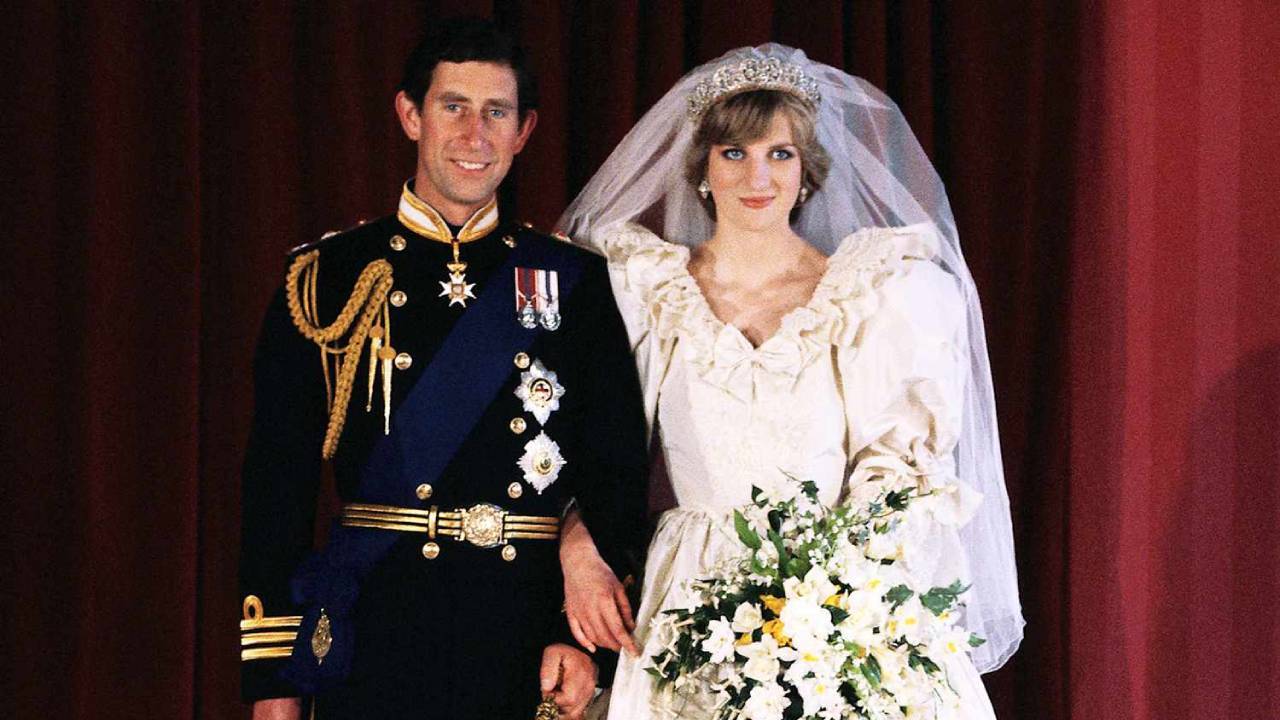
Long before the turbulent years of their marriage played out on global television, the early days of Diana and Charles's relationship were already fraught with hidden tension. According to Earl Spencer's recollections, Diana was already battling an eating disorder when Charles allegedly squeezed her waist shortly after their engagement. His remark was blunt and damaging: "Oh, a bit chubby here, aren't we?"
For anyone who understands the realities of body image struggles, you know how devastating a single offhand comment from a partner can be. Diana reportedly told her brother that her waist plummeted from 29 inches down to 23 and a half inches in the frantic months leading up to the wedding. It is a stark reminder of the immense pressure she faced while stepping into a fishbowl existence she was entirely unprepared for.
Phone Calls After the Tragedy
The memoir shifts to the darkest chapter of modern royal history: the night Diana died in Paris on August 31, 1997. Spencer writes that he was at his Cape Town home when the news broke. Amid the shock, he received a phone call from Charles.
Instead of the grief-stricken tone you would expect, Spencer claims the then-Prince sounded "giddily elated — like a lottery winner." Looking back through the lens of decades, Spencer interprets that strange reaction as a sign that Charles might have been privately processing how her tragic passing would remove the final obstacle standing between him and the woman he truly loved.
Buckingham Palace did not sit back quietly while these claims circulated. While their official stance avoids addressing every single line item of the book, a Palace spokesperson issued a pointed reminder. They noted that the pain of fraternal grief can heavily cloud reason, affect judgment, and distort memory as time passes. It is a diplomatic way of saying the author's recollections cannot be taken at face value.
Funeral Clash and Future Fallout
The friction between Spencer and the royal family did not stop on the phone. During preparations for the funeral, a massive argument erupted over whether Princes William and Harry should walk behind their mother's coffin. Spencer strongly objected to the idea.
During a heated exchange, Charles allegedly snapped at him: "Rest assured, we'll forget her soon enough!" Spencer was reportedly so stunned by the callousness of the remark that he hung up the phone immediately.
These revelations prove that the public facade of unity during national mourning hid an immense amount of behind-the-scenes bitterness. Whether these memoirs serve to set the record straight or simply dredge up ancient history for modern readers, they ensure that the ghosts of the House of Windsor will keep haunting the headlines for a long time.
Take a close look at how public figures manage their legacies. History is rarely written by just one side, and every new book reminds us that the truth usually lies somewhere in the messy middle.