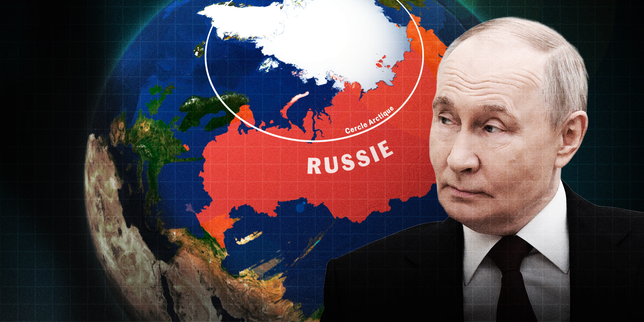
Ice is melting fast. Power is shifting faster. Moscow spent decades treating the Far North like its personal fortress, but things are breaking down. Sanctions bite hard. Ships break down. Neighbors close ranks.
You hear people say Russia holds all the cards in the polar region because of its massive icebreaker fleet. They point to ports like Murmansk and talk about naval dominance. Honestly? That narrative ignores reality. The Kremlin faces severe economic and technological walls that money alone can't fix anymore. If you found value in this article, you might want to read: this related article.
Let's look at what's actually happening on the ground and in the freezing water.
The Technological Blind Spot
Western technology built Russia's modern liquefied natural gas projects on the Yamal and Gydan peninsulas. When foreign engineering firms pulled out, local operators hit a wall. You can't just substitute high-tech membrane containment systems for massive LNG carriers with domestic alternatives overnight. For another angle on this development, check out the latest update from The New York Times.
Projects stall. Costs skyrocket. Without specialized Western gear, extracting resources from extreme environments becomes a guessing game. Moscow thought it could substitute everything with local manufacturing or imports from cooperative partners. That strategy works fine for basic goods. It fails miserably when you try to drill thousands of meters beneath freezing seas.
The icebreaker fleet tells a similar story. While old nuclear-powered giants still patrol the lanes, maintenance is a nightmare. Spare parts are scarce. Shipyards face delays that stretch for years. Operating heavy machinery in sub-zero temperatures breaks metal faster than engineers can weld it back together.
The Geopolitical Shift on the Ice
Finland and Sweden joined NATO. Just like that, the strategic balance flipped upside down.
Moscow used to deal with a fractured Nordic bloc that argued constantly over defense spending. Now, the entire polar perimeter outside of Russian shores belongs to a unified alliance. Patrol planes fly further north. Radar networks share data instantly. Submarine movements face tracking from nations that used to maintain strict neutrality.
Beijing watches closely from the sidelines. China wants shipping routes and energy deals, but Beijing isn't stupid. Chinese state firms hesitate to throw cash at projects that risk triggering secondary Western sanctions. Moscow finds itself economically dependent on a single partner who drives a very hard bargain.
What the Shipping Routes Actually Look Like
Everyone talks about the Northern Sea Route as the next Suez Canal. Commercial shippers remain skeptical.
Schedules in the Arctic are unpredictable. A sudden storm or shifting pack ice can trap a cargo vessel for weeks, blowing logistics budgets completely out of the water. Insurance costs for polar transit are astronomical. When you factor in the mandatory escort fees charged by Russian icebreakers, the savings evaporate.
Global shipping companies care about reliability above all else. The Arctic offers the exact opposite.
Where Things Go From Here
Moscow still controls massive physical geography up north. Guns and flags matter. But control requires sustainable economics, working technology, and functional alliances. None of those look stable for the Kremlin right now.
Watch the maintenance logs at northern shipyards. Watch the export volumes of Arctic hydrocarbons. Those metrics tell the true story of regional power long before any official state announcement admits failure.