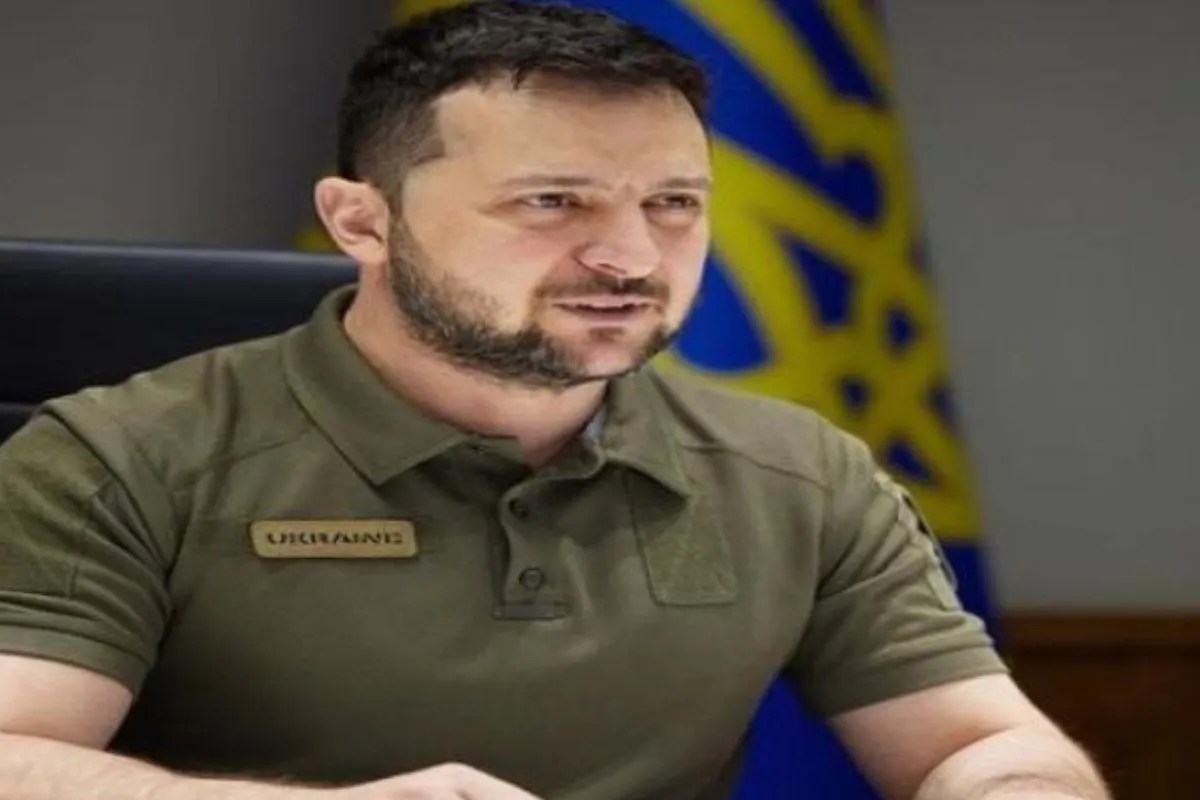
Geopolitical friction in Eastern Europe keeps expanding into new corridors, and the supply lines running through neighboring states remain a flashpoint. Moscow has repeatedly targeted Bucharest with serious accusations regarding military logistics routed toward Ukraine.
If you look past standard diplomatic rhetoric, the logistics supporting Kyiv's defense involve complex transit pathways near the Black Sea basin. Moscow's ambassador to Romania, Vladimir Lipaev, pointed directly at local stockpiles, Soviet-caliber ammunition production, and material transfers estimated in the billions. But what is the actual reality behind these claims, and why does the Moldovan and Romanian border region matter so much in this ongoing war?
The Logistics Web Near the Black Sea
The geographic positioning of Romania makes it a critical node for regional stability and transit. As a member of NATO, its territory is technically shielded by collective defense agreements, yet its proximity to Ukraine puts it right next to the friction zone.
Moscow claims that substantial quantities of military equipment—ranging from legacy Soviet-era hardware to specialized components—move through secure corridors involving Romanian industrial output and neighboring transit points like Moldova. Bucharest generally maintains a strict posture regarding the specifics of military shipments, often citing operational security to avoid direct escalatory friction with the Kremlin.
This strategic ambiguity frustrates Russian leadership. When state officials in Moscow cite figures scaling into billions of euros for bilateral support, they are highlighting how deeply integrated regional supply chains have become, even if individual shipments are kept quiet.
Why Moldova is the Missing Piece in the Supply Puzzle
Sandwiched between Romania and Ukraine, Moldova acts as a quiet pressure valve. Its ports, specifically Giurgiulești on the Danube, and its land routes serve as vital arteries for non-military trade, grain exports, and humanitarian relief. However, intelligence analysts have long noted that civilian logistics and dual-use infrastructure can easily blur lines during a total war scenario.
Moscow argues that these pathways do more than just move grain. The transit network crossing Moldovan territory and entering southwestern Ukraine allows military hardware, fuel, and equipment repairs to bypass heavily bombed direct routes. While Chisinau officially maintains a neutral constitutional stance, its economic and political alignment with Bucharest and the European Union brings it squarely into the Western orbit.
The Risk of Spillover
Accusations of military logistics support don't happen in a vacuum. They often precede physical incidents or justify retaliatory posturing. We have already seen security violations near the border, including stray drone impacts inside Romanian territory that triggered sharp warnings from NATO leadership.
When Russia accuses its neighbors of running clandestine supply chains, it serves a dual purpose. Domestically, it justifies the protracted nature of the military campaign by framing it as a clash with the broader Western alliance rather than just Ukraine alone. Externally, it serves as a warning shot to Bucharest and other regional players to scale back their logistical footprint.
The tension along the Danube and the Black Sea coastline isn't cooling down. As long as transport nodes remain active near Moldova and Romania, Moscow will continue tracking every truck, train, and ship, turning routine trade routes into high-stakes geopolitical battlegrounds.
Watch the border regions closely. The next escalation won't start on the front lines; it will start where the supply lines meet the map.