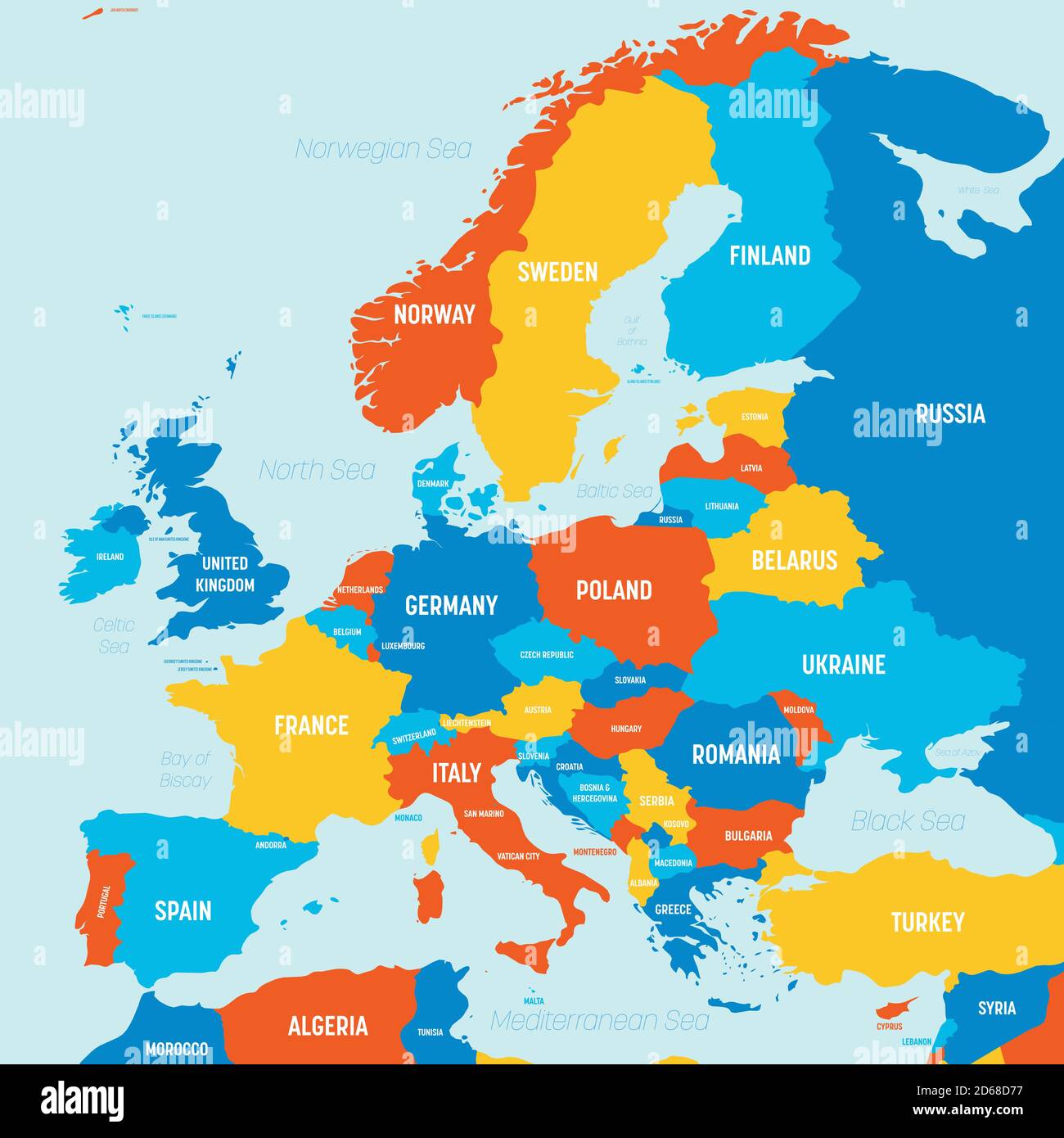
Geopolitics and maritime commerce rarely mix well when missiles start flying. With naval battles raging across the Black Sea and export channels choked by escalating security risks, Moscow is doing something unexpected. It's turning north.
For the very first time, Russian exporters are pushing wheat through the Arctic port of Murmansk. A facility famous for Allied wartime convoys during World War II is finding a brand-new lease on life. It's a striking logistical pivot, and it tells you everything you need to know about how modern trade routes adapt when traditional paths become war zones.
Let's look at the numbers. Murmansk Commercial Seaport and Demetra Holding recently kicked off this northern experiment with an initial shipment of 3,400 metric tons of grain. Plans are already in motion to load around 28,000 metric tons of wheat onto a vessel bound for Casablanca, Morocco.
Of course, shipping small parcels from the Arctic sounds wildly inefficient on paper. Why haul grain thousands of miles north when southern ports sit much closer to major global buyers in Africa and the Middle East? The answer comes down to pure survival. The Black Sea has transformed into a high-risk combat theater. Drone strikes, naval clashes, and constant maritime threats have driven up insurance premiums and scared off conventional carriers.
At the same time, exporters have redirected millions of tons of seaborne grain through Baltic ports, repurposing terminals built for coal and fertilizer. More than 1.2 million tons moved through Baltic outlets recently. But relying heavily on the Baltic Sea carries its own heavy baggage, including persistent warnings from Moscow about potential friction with NATO member states bordering the region.
To make the northern alternative work, the Russian government is subsidizing rail transport. Trains are hauling massive volumes of wheat from fertile southern farming regions all the way up to northern and western ports. It's an expensive detour, but one that grain traders are willing to stomach to keep supply chains open and maintain revenue streams.
This Arctic pivot isn't just about a single cargo ship steaming toward Morocco. It highlights a permanent structural shift in global commodity logistics. When traditional choke points close or become too dangerous, supply chains don't just stop. They bend, break, and rebuild in places nobody expected a decade ago.
Keep an eye on northern logistics infrastructure over the coming months. If Murmansk and the Northern Sea Route prove viable for bulk agricultural commodities, it changes how northern ports operate year-round. War forces innovation, and the ice-chilled waters of the Arctic are suddenly part of the global grain trade.