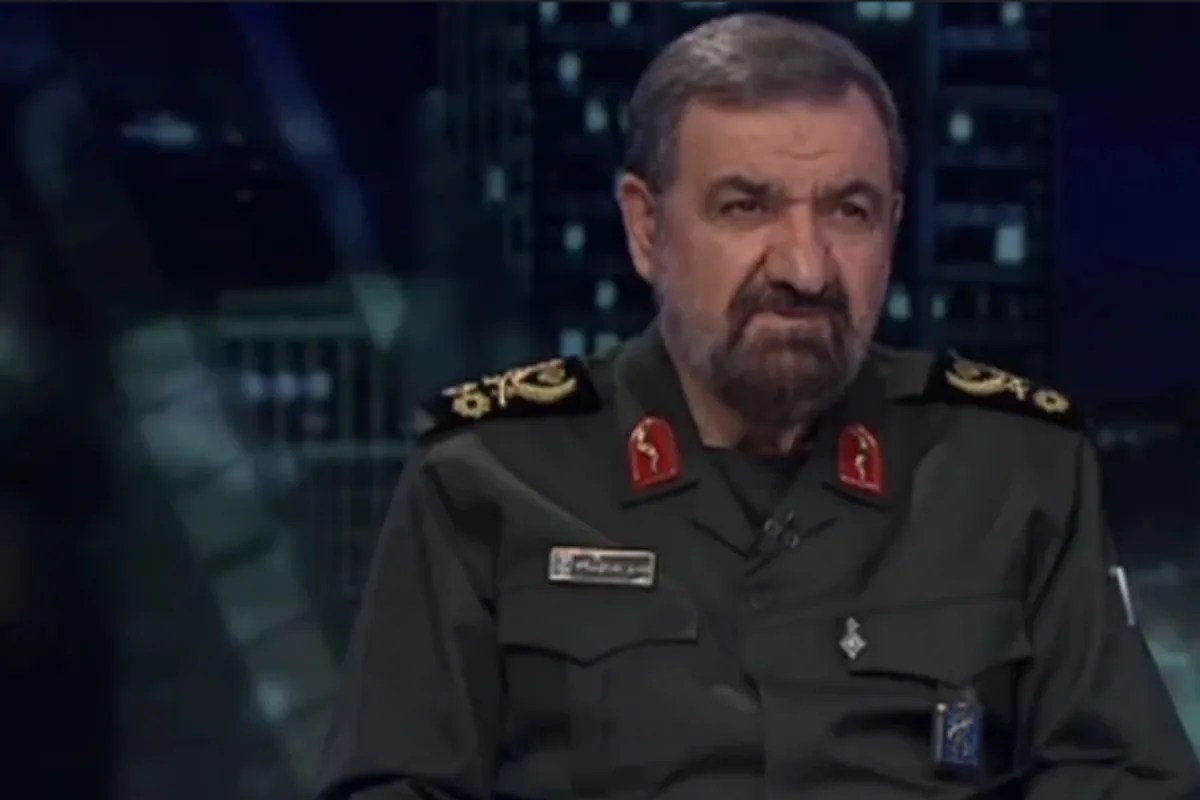
Geopolitical posturing has officially crossed a terrifying red line. When Dmitry Medvedev takes to encrypted messaging apps to air his grievances, the world usually braces for the worst. But his latest outburst goes far beyond typical Kremlin rhetoric. He just threatened direct military strikes on German soil and threw out thinly veiled hints targeting European leaders traveling by rail.
Let's look at what actually sparked this dangerous escalation.
Berlin announced that intelligence agencies traced a failed drone attack at Leipzig/Halle Airport back to Moscow. Instead of brushing it under the rug, Germany expelled diplomats, shut down a Russian cultural center, and tightened border controls. Medvedev responded by calling the sabotage claims fabricated and suggesting that German military manufacturing plants deserve direct retaliation.
You cannot afford to ignore these signals. The rhetoric coming out of Moscow isn't just saber-rattling for domestic TV screens anymore; it's a direct operational blueprint for hybrid warfare spilling into Western Europe.
What Triggered the Leipzig Airport Incident
The friction point centers around a botched sabotage attempt on August 4. Security workers at Leipzig/Halle Airport discovered an armed drone near a cargo hub heavily utilized by Ukrainian logistics and NATO supply chains. German Interior Minister Alexander Dobrindt didn't mince words during his Berlin press briefing. Investigators matched the drone's explosive components and ignition systems to previous Russian hybrid operations inside Ukraine.
Berlin recognized that ignoring the incident invites repeat offenses. The response was swift:
- Closing the Russian consulate in Bonn
- Retoking the contract for the Russian House center in Berlin
- Implementing stricter visa screening for Russian nationals
- Proposing sweeping EU-wide sanctions extensions
Germany moved from quiet diplomacy to active defense. Moscow hates pushback, which explains why the reaction was so unhinged.
Medvedev and the Escalation Playbook
Dmitry Medvedev acts as the regime's designated firebrand. Whenever Vladimir Putin needs to signal extreme displeasure without officially launching a formal state declaration, Medvedev steps up to the keyboard. His Telegram channels serve as a public warning system for how far Moscow is willing to stretch international norms.
His recent post didn't just mention weapons factories. He targeted the logistics of European leaders visiting Kyiv by train, pointing out that sponsors of what he calls state terror frequently travel on vulnerable railway lines. That isn't casual political trash talk. It is a calculated intimidation tactic directed squarely at heads of state who back Ukraine's defense efforts.
NATO responded instantly with declarations of collective defense. British leadership, alongside French and Polish counterparts, reaffirmed ironclad security commitments. But declarations of solidarity don't stop drones from showing up on cargo runways.
The Reality of Hybrid Warfare in Europe
Most people think modern warfare looks like massive tank battalions rolling across borders. That template is outdated. Modern conflict looks like a stray drone found on a German tarmac, mysterious cuts to undersea fiber-optic cables, and cyberattacks on municipal water utilities.
Russia's strategy relies on gray-zone aggression. They push right up to the boundary of Article 5 without triggering a full-scale conventional war. They use low-level operatives, deniable proxies, and asymmetric tactics to test European resolve.
When Berlin called their bluff and pointed the finger publicly, it broke the unspoken rule of quiet intelligence management. Germany decided that transparency acts as a better deterrent than sweeping incidents under the carpet to avoid escalation.
What This Means for Global Security Moving Forward
You have to look at the big picture. The war in Ukraine is no longer localized to the Donbas or frontline trenches. It has morphed into a continent-wide security crisis where critical infrastructure inside Western Europe forms part of the battlefield.
If Moscow follows through on threats against defense manufacturing plants in Germany, the response from NATO will force a rapid, unpredictable military realignment across the globe. Air defense systems around major European transport hubs are already moving to higher alert levels. Intelligence sharing between Western allies has hit maximum velocity.
Stop assuming distance provides safety. The boundary between regional conflict and global confrontation grows thinner by the day. Keep a close eye on upcoming diplomatic expulsions and border security tightening across the EU. The next phase of this crisis won't happen on a battlefield. It will happen quietly in our own backyard.