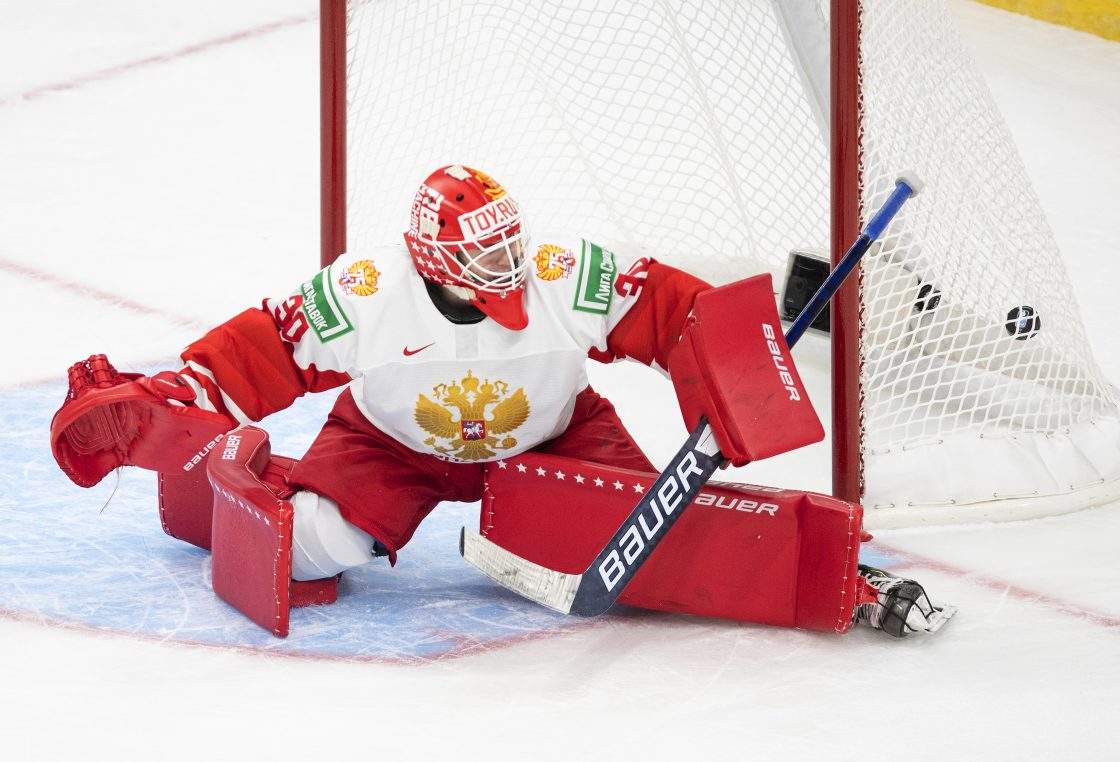
International hockey is hurtling toward a massive political showdown. If you've been trying to figure out why the upcoming World Junior Championship feels like a ticking time bomb, you aren't alone.
The International Ice Hockey Federation finds itself caught in an ugly crossfire after the Court of Arbitration for Sport ordered the reinstatement of Russian and Belarusian teams. That single legal ruling shattered years of bans put in place following the 2022 invasion of Ukraine. Suddenly, a tournament scheduled to start on December 26 in Edmonton and Red Deer, Alberta, turned into a diplomatic war zone.
Here is what is actually driving the chaos, why host nations are pushing back, and how this dispute exposes deep fractures in global sports.
The Legal Reversal That Ignited the Firestorm
For nearly four years, the IIHF kept Russian and Belarusian squads away from international competition. The governing body repeatedly cited safety, security, and sporting integrity concerns to justify the exclusions.
Russia appealed. The Court of Arbitration for Sport looked at the IIHF's defense and concluded the federation failed to sufficiently justify the ongoing bans. The court ruled that the IIHF must reinstate Russian teams across upcoming events, starting right at the World Juniors.
The ruling threw the tournament schedule into complete disarray. Reports surfaced that smaller hockey nations—like Norway—were bumped down or threatened with exclusion to accommodate the return of the Russian team. Meanwhile, federations across Europe realized they might have to share the ice with a country they've actively isolated.
Canada Draws a Hard Line
Ottawa isn't blinking. Prime Minister Mark Carney and federal sports officials made it clear that athletes representing the Russian state will not be welcome to compete on Canadian soil while the war in Ukraine continues.
You have a direct collision between sports law and sovereign government policy. The Court of Arbitration for Sport can issue rulings in Switzerland, but it cannot force a sovereign nation to grant entry visas or override federal sanctions.
Canadian sports secretary Adam van Koeverden and other leaders have stood firm, pointing out the unavoidable reality that national athletic representation carries heavy political baggage. When teenagers pull on a jersey featuring a national flag, they become symbols of that nation's actions on the world stage—whether they want that responsibility or not.
The Boycott Threat from European Federations
Canada isn't standing alone in this standoff. Other hockey powerhouses immediately reacted with fierce opposition.
Finland’s hockey federation announced it would refuse to play against Russian teams in any international setting. Sweden, Czechia, and Latvia quickly echoed that stance.
This creates an organizational nightmare for the IIHF. If Russia is forced back into the tournament bracket, but half the competing nations refuse to step onto the ice against them, the entire event loses its competitive integrity. You can't run a legitimate world championship if major hockey federations stage active boycotts.
Even if the IIHF attempts a compromise by letting Russian players compete under a neutral banner without flags or anthems, skepticism runs high. Critics argue that neutral designations are often a superficial fix that fails to address the underlying geopolitical reality.
What Happens Next
The clock is ticking down to the December puck drop in Alberta. The IIHF is trapped between binding sports arbitration, furious host-country politicians, and player associations ready to pull out.
Resolving this requires more than backroom administrative meetings. The sports world has reached a breaking point where pretending politics and athletics can exist in separate bubbles no longer works. Until a pragmatic compromise emerges—or political stances shift dramatically—the tournament remains clouded by uncertainty.