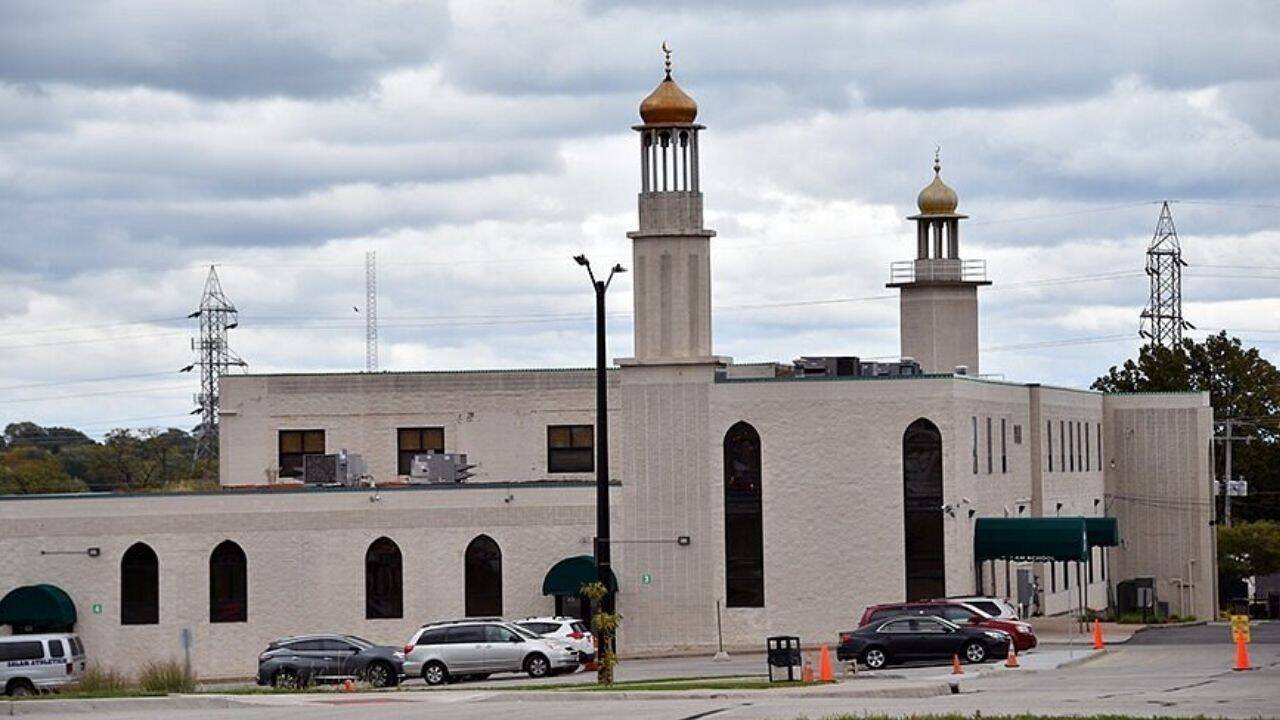
Immigration courts are shifting the goalposts, and it's happening right out in the open. When a federal immigration judge rules that a long-term US resident can be kicked out of the country simply because he is labeled a "foreign policy threat," everyone paying attention should feel a chill.
This isn't about paperwork or green card fraud anymore. An immigration judge just ruled that Salah Sarsour, the head of Wisconsin's largest mosque, faces deportation on foreign-policy grounds. The same judge threw out allegations that Sarsour lied on his green card application, stripping away the government's standard fraud argument and leaving raw political ideology exposed at the core of the case.
If you've been following how the legal system treats Palestinian rights advocates, this pattern looks awfully familiar.
The Timeline of a Targeted Arrest
Sarsour has lived in the United States since 1993. For over thirty years, he built a life, raised a family, and became the president of the Islamic Society of Milwaukee. Then, ICE officers detained him in March, plunging his life into sudden chaos.
Federal authorities pointed to decades-old convictions from Israel dating back to the late 1980s and 1990s—convictions involving stones and a Molotov cocktail during the First Intifada, alongside a weapons possession charge. Sarsour has consistently maintained his innocence, noting that Israeli authorities tortured and coerced his confessions. More importantly, US immigration officials knew about this history for decades. They didn't care until recently.
Why the sudden urgency?
His legal team argues it's pure retaliation. A federal judge previously ordered Sarsour's release in June, pointing out that he raised a "substantial" claim that the government targeted him for speaking out against Israel and advocating for Palestinian rights. That temporary victory didn't stop the machinery, though. Secretary of State Marco Rubio issued a memo in June 2025 targeting Sarsour alongside other Palestinian rights advocates like Mahmoud Khalil and Mohsen Mahdawi.
When state power gets weaponized against political speech, nobody's status is safe.
The Human Cost Inside Detention
We don't talk enough about what happens to people sitting inside immigration detention facilities while their cases wind through the system. Sarsour lost more than 30 pounds while in ICE custody, raising severe alarms regarding medical neglect and the physical toll of indefinite detention.
An investigative report by the Associated Press and KFF Health News revealed hundreds of immigration detainees filing lawsuits over substandard medical care across at least 33 states. Detention isn't just an administrative hold; it's often used as a blunt instrument to break a person's resolve before a final ruling is even handed down.
Sarsour fears that if he's deported back to the West Bank, it means the end of his life. His attorney, Patrick Taurel, pointed out the obvious danger: if Sarsour can be deported for exercising free speech in support of Palestinian rights, the exact same mechanism can be used against anyone holding dissenting political views.
What This Means for Free Expression
The government argues that national security overrides everything else, using broad foreign policy exceptions to bypass traditional criminal standards. But when you stretch "national security" to include peaceful advocacy, protests, and community leadership, you dilute the term until it covers any political inconvenience.
Sarsour's legal team plans to appeal the decision, arguing he faces severe risks of torture if returned to the West Bank. But the legal battle goes far beyond one man in Milwaukee. It forces a hard look at how easily long-standing legal residency can be revoked when political winds shift in Washington.
Free speech protections are supposed to shield people precisely when their views make authorities uncomfortable. Right now, that shield looks cracked.