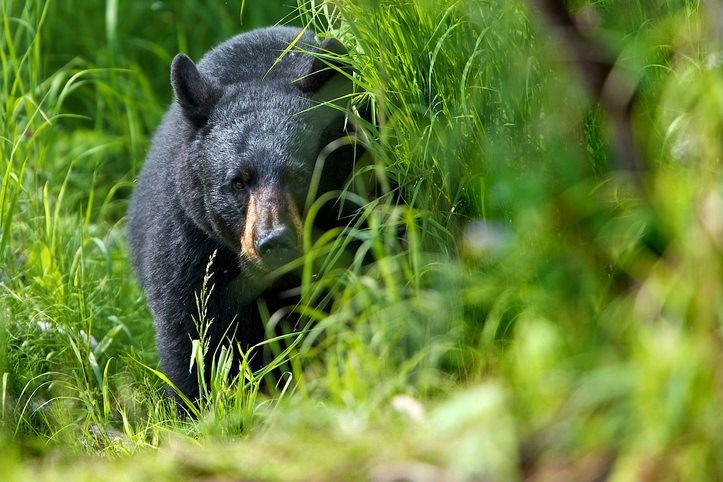
A devastating wildlife encounter at a remote fly-in lake north of La Ronge has left a Regina family mourning and forced an urgent re-evaluation of wilderness safety. On July 15, 2026, retired couple Jay and Deb MacDonald were killed by a black bear at their cabin on McTavish Lake. Their sudden deaths mark the second fatal bear attack in Saskatchewan this year, an unprecedented pattern for a province where predatory encounters have historically been extraordinarily rare.
The Saskatchewan Ministry of Community Safety confirmed that conservation officers located and euthanized the bear suspected in the attack. The animal has been taken to the Western College of Veterinary Medicine for a full necropsy to determine if sickness, starvation, or old age triggered this aggressive behavior.
For anyone who owns a cabin, hunts, fishes, or works in the northern wilderness, these back-to-back tragedies are a wake-up call. The old assumptions about black bears being timid or easily scared off don't always hold up when you're deep in the bush.
What Happened at McTavish Lake
Jay and Deb MacDonald, both in their early 70s, flew out to their remote property on McTavish Lake—roughly 90 kilometers north of La Ronge—for a routine fishing trip. The cabin was a place they loved and frequently leased out to other wilderness enthusiasts. When they failed to check in with family members back home, relatives grew anxious and contacted the La Ronge RCMP.
Emergency responders discovered a grim scene. Jay MacDonald's body was found along the lakeshore. Due to the remote location and the immediate danger posed by the predatory animal, the initial search was paused. The following day, searchers located Deb MacDonald's body in a wooded area near the cabin structure.
The Saskatchewan Conservation Officer Service deployed its Wildlife Human Attack Response Team to secure the site and hunt down the animal. After tracking the bear down, officers euthanized it to protect the public and preserve tissue samples for medical analysis.
An Unprecedented Year for Fatal Encounters
To understand why wildlife biologists and northern residents are so alarmed, you have to look at the historical data. Before 2026, Saskatchewan had only recorded three fatal bear attacks in its entire history. Now, the province has seen two fatalities in a span of just two months.
In May 2026, a 27-year-old independent contractor working at a remote uranium exploration site in the Athabasca Basin was attacked and killed by a black bear. That incident occurred near Zoo Bay close to the Northwest Territories border. Just like the McTavish Lake incident, conservation officers had to euthanize the animal and order a necropsy.
The only other recorded fatal bear maulings in the province occurred decades apart:
- In 1983, two men were killed in separate, isolated incidents near what is now Narrow Hills Provincial Park.
- In 2020, 44-year-old Stephanie Blais was fatally attacked outside her family's cabin north of Buffalo Narrows.
Going from three deaths over forty years to three deaths in a matter of months points to a changing reality in the northern woods.
The Myth of the Harmless Black Bear
Many people mistakenly believe that black bears are harmless compared to their larger grizzly cousins. It's true that black bears are generally more skittish. They usually run when they smell humans. But when a black bear decides to attack a human, the underlying motivation is often completely different from a grizzly.
Grizzly attacks are frequently defensive. A mother protects her cubs, or a startled bear defends a carcass. Black bear attacks on humans are more often predatory. When a black bear targets a human, it's usually viewing that human as food.
Biologists point out that food scarcity caused by late spring frosts or shifting weather patterns can drive older or weaker bears to take desperate risks. A remote cabin represents an intense concentration of unfamiliar smells. Garbage, cooking oils, fish guts, and even scented soaps can draw an curious animal from miles away. Once a bear associates a human structure with food, the boundary between wilderness and camp completely dissolves.
Hard Truths for Remote Cabin Safety
If you own a cabin in the boreal forest, you can't rely on luck anymore. Being loud or keeping a clean kitchen isn't enough when dealing with a predatory animal. You need a multi-layered defense strategy to protect your property and your life.
Change How You Manage Waste
Never burn garbage in an open fire pit. The smell embeds into the ash and lingers for weeks. All food waste must go into airtight, bear-proof containers or be flown back out with you immediately. If you clean fish, dump the remains far away from your living quarters, preferably in deep, moving water or an isolated island away from your main shoreline.
Reinforce Your Entry Points
Remote cabins sit empty for months. Bears are incredibly strong and can easily pop plywood window covers or flimsy door latches. Install heavy duty deadbolts and reinforce window shutters with steel brackets. Some cabin owners in high risk areas use "bear mats"—heavy pieces of plywood driven full of upward-pointing screws laid out beneath windows and doors to deter break-in attempts.
Carry Deterrents on Your Person
Bear spray doesn't do any good if it's sitting on the kitchen counter when you walk down to the boat dock. Keep a canister strapped to your hip or chest at all times. If you carry a firearm for defense, ensure it's loaded with appropriate slug ammunition and that you can deploy it under extreme stress.
Immediate Steps to Take Before Your Next Trip
Don't wait until you're unpacking your gear at a fly-in lake to think about wildlife security. Take these concrete preparation steps before you head into the bush.
The investigation into the McTavish Lake tragedy will continue as pathologists analyze the euthanized bear. Until more answers emerge, the message from conservation officers is clear: treat every northern excursion with absolute vigilance. The wilderness doesn't care about your comfort level.