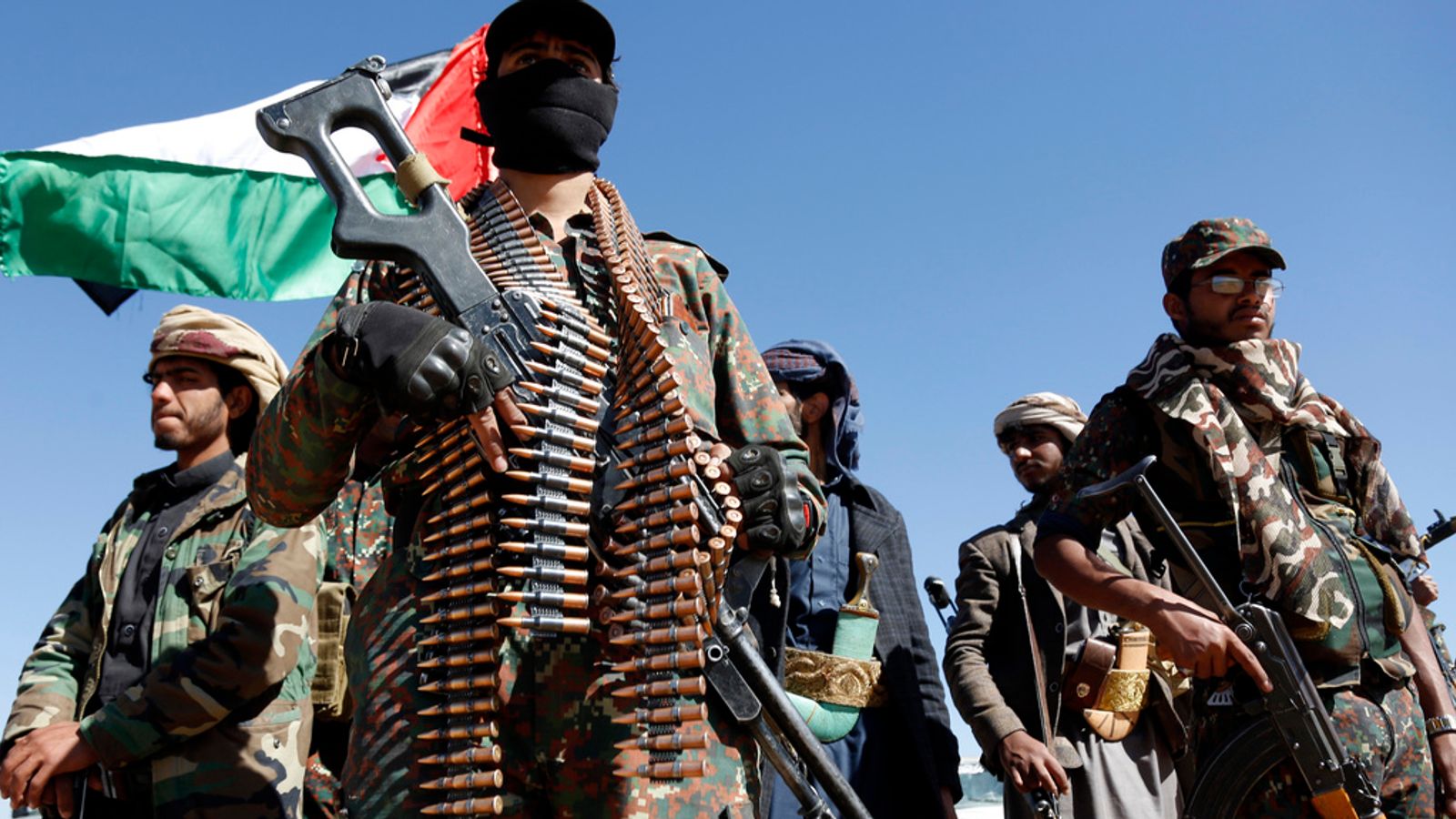
Riyadh wanted a clean exit. Crown Prince Mohammed bin Salman spent years trying to wall off the kingdom from Yemen’s grinding civil war, aiming to protect ambitious economic transformation projects and keep hostile drones out of Saudi airspace. That calculated detachment just collapsed. A cascading chain of diplomatic blunders, fractured regional partnerships, and unexpected escalations has dragged Saudi Arabia right back into the front lines of an active conflict it thought it had successfully contained.
When you look at how foreign policy strategies unravel, the breakdown in Yemen offers a masterclass in unintended consequences. Riyadh didn't stumble into this revival by accident alone. A combination of a messy coalition breakup with the United Arab Emirates, misjudged responses to Iranian posturing, and a failure to secure a reliable ground force left the kingdom exposed when the Houthis shattered their fragile truce.
The Coalition Crackup That Left Riyadh Isolated
For years, Saudi Arabia and the UAE fought side by side against the Iran-backed Houthi movement. But friction over the future governance of southern Yemen tore that alliance apart. The UAE threw its weight behind the Southern Transitional Council, an outfit pushing for southern secession, while Riyadh fiercely opposed splitting the country.
The partnership finally snapped when Saudi warplanes struck a shipment of Emirati military vehicles destined for southern separatists. The UAE pulled its forces out abruptly. Riyadh inherited a fragmented, disoriented network of local fighters without a functional command framework to replace the departing Emirati infrastructure. Local commanders on the ground warned that the sudden exit created an operational vacuum. Riyadh assumed it could simply step into the driver's seat and manage the coalition inheritance seamlessly. It couldn't.
Misreading Iran and Triggering a Houthi Offensive
The situation deteriorated further as broader regional tensions boiled over. Following wider escalations involving the US, Israel, and Iran, and the killing of Iran's Supreme Leader Ayatollah Ali Khamenei, the fragile four-year truce between Saudi Arabia and the Houthis evaporated.
In July, Tehran sent a commercial flight to carry a Houthi delegation to Khamenei's funeral, thumbing its nose at the active Saudi air blockade over Yemen. Riyadh reacted by striking the Houthi-held airport in Sanaa to block the landing. The reaction was immediate and punishing. The Houthis declared the truce dead, announced a naval blockade against Saudi vessels, and launched a massive lightning offensive down Yemen's coast. They seized strategic positions near the Bab al-Mandeb Strait while drone and missile strikes started slamming into Saudi cities and oil infrastructure, killing civilians and military personnel alike.
Analysts note that Riyadh simply failed to prepare for a renewed Houthi ground push. Ahmed Nagi, a senior analyst for Yemen with the International Crisis Group, pointed out that the lost territory immediately damaged local allied morale. The Houthis arrived with more advanced weaponry capable of striking deep inside Saudi territory, rendering the kingdom's previous defensive calculations obsolete.
The Scramble for New Security Arrangements
Left without reliable regional muscle and facing reduced expectations of direct military backing from Washington, Riyadh is frantically diversifying its diplomatic and defense portfolio. Crown Prince Mohammed traveled to Egypt to coordinate with President Abdel Fattah el-Sisi, and invited UAE leadership back to the table for emergency talks.
Foreign assistance is trickling in. France agreed to supply defense assets and military personnel, Britain dispatched an aircraft to refuel Saudi jets, and over a hundred American military advisers have deployed to the ground. Furthermore, Saudi Arabia, Turkey, and Pakistan inked the Mecca Joint Defence Agreement to shore up collective security measures.
Yet, as Hisham Al Omeisy of the European Institute of Peace notes, foreign hardware and quick defense pacts mean nothing if the fractured anti-Houthi factions on the ground cannot unify their command centers and hold captured territory. Territorial gains by ragtag local units are useless if the Riyadh-backed government cannot maintain lasting control.
Where the Strategy Goes From Here
Saudi Arabia faces a grim reality check. The kingdom wanted to leave the quagmire behind and focus on domestic modernization. Instead, drones are hitting its airports, oil exports face disruptions, and the strategic exit strategy lies in tatters.
Riyadh must now confront the structural flaws in its regional policy. Patchwork defense agreements and hurried diplomatic tours won't fix a fractured domestic front in Yemen. Until Saudi leadership builds a unified, disciplined coalition on the ground and establishes a coherent political endgame with the Houthis, the kingdom will remain tethered to a conflict it cannot easily control or escape.
Watch this video for a breakdown of the Saudi miscalculations in the Yemen civil war.
This video provides additional context on the tactical and strategic miscalculations that drove Saudi Arabia back into the military campaign against the Houthis.
http://googleusercontent.com/youtube_content/1