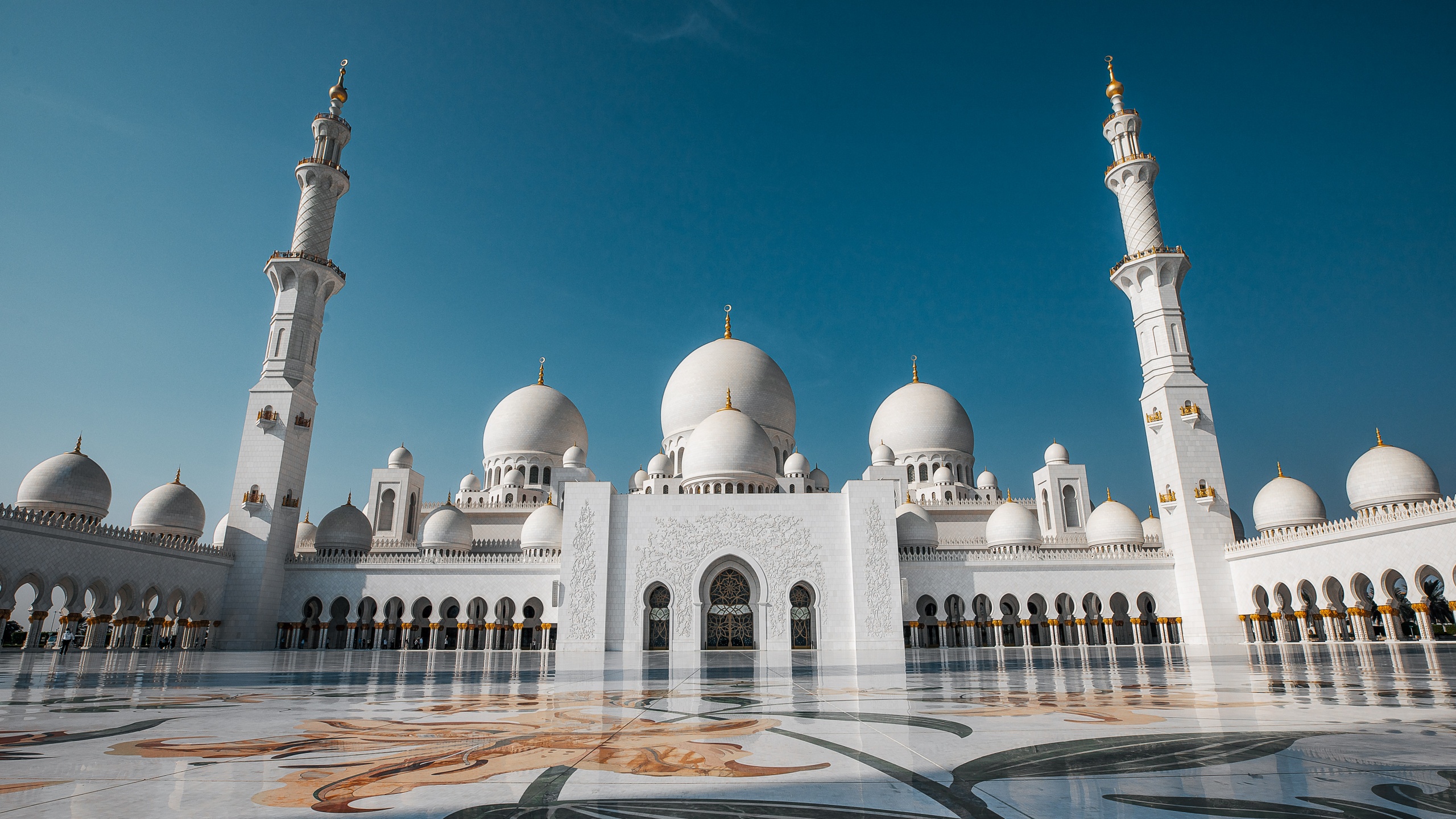
Sirens and early warning notifications don't usually go off for nothing in Saudi Arabia. When the National Early Warning Platform abruptly pinged phones across Mecca, everyone knew things had escalated.
The Saudi Civil Defence issued urgent alerts warning of potential dangers spanning Mecca, Jeddah, Taif, Tabuk, and the Red Sea governorate of Yanbu. While those alerts lifted just minutes later, the anxiety they left behind didn't. Regional tensions are boiling over, and the safety of Islam's holiest sites is back at the center of a worsening Middle East conflict.
The Reality Behind the Early Warning System
Why the sudden panic? It's not random. In recent weeks, these quick-fire mobile alerts have routinely preceded incoming drone or missile attacks.
Yemen's Iran-backed Houthi movement has cranked up its military operations, shifting targets closer to Saudi population centers and critical infrastructure. Riyadh recently accused the group of firing a drone directly at Mecca. That drone was intercepted and downed, but the implications shook the kingdom. It marked the first time the holy city was reportedly targeted since 2017.
The Houthis vehemently denied that specific accusation. Even so, actions speak louder than press releases. Just days after the Mecca incident, the group launched an attack on the Saudi capital of Riyadh for the first time in years.
A Broken Truce and a Widening War
How did we get back here? The fragile 2022 truce between the Houthis and the Saudi-led coalition is officially dead.
The collapse happened in July when an Iranian plane landed in Sanaa, bypassing Riyadh's tight control over Yemeni airspace. That single event tore open old wounds. Since then, the conflict has deteriorated rapidly:
- The Houthis declared a maritime blockade against Saudi shipping lanes.
- Tankers and commercial vessels navigating vital regional waterways became prime targets.
- The group captured strategic coastal terrain overlooking the Bab al-Mandab strait from Saudi-backed government forces.
- Iranian advisers reportedly helped secure these vital Red Sea positions in under forty-eight hours.
This isn't just a localized border skirmish anymore. It's a chokehold on global energy routes.
What This Means for Global Oil and Shipping
Control over the Bab al-Mandab strait and the wider Red Sea corridor dictates the flow of international trade and crude exports. When the Houthis lock down these waterways, the shockwaves hit global markets instantly.
Saudi Arabia relies heavily on these maritime corridors to ship oil out to the world. With Iran and its regional proxies consolidating power along these trade lanes, the security calculus for the entire Gulf has changed overnight. Military analysts note that the Houthi strategy has evolved from defensive guerrilla tactics to aggressive regional projection.
Simultaneously, Houthi military advisers have openly warned that they will target United States interests if Washington backs any new Saudi-led airstrikes. The stakes couldn't be higher.
Preparing for What Comes Next
If you're tracking security updates in the region or managing travel plans near the Red Sea governorates, complacency is your worst enemy. Emergency protocols aren't just bureaucratic exercises right now.
Keep local emergency apps active on your devices. Monitor official updates from the Saudi Civil Defence rather than relying on unverified social media panic. Governments and logistics firms operating in Jeddah, Yanbu, and surrounding regions are actively revising their continuity plans. Pay attention to those operational shifts because the current escalation window is far from closing.