Field trips are supposed to be the highlight of the school year. They break the monotony of the classroom. Kids get outside, run around, and experience hands-on learning.
Then a nightmare happens.
An ordinary outdoor education excursion in Iowa turned into a devastating tragedy. A 10-year-old student and a 24-year-old teacher lost their lives near a reservoir spillway. It's the kind of news that stops parents in their tracks. It forces every school administrator to look at outdoor safety protocols and ask hard questions.
What Happened During the Iowa Field Trip
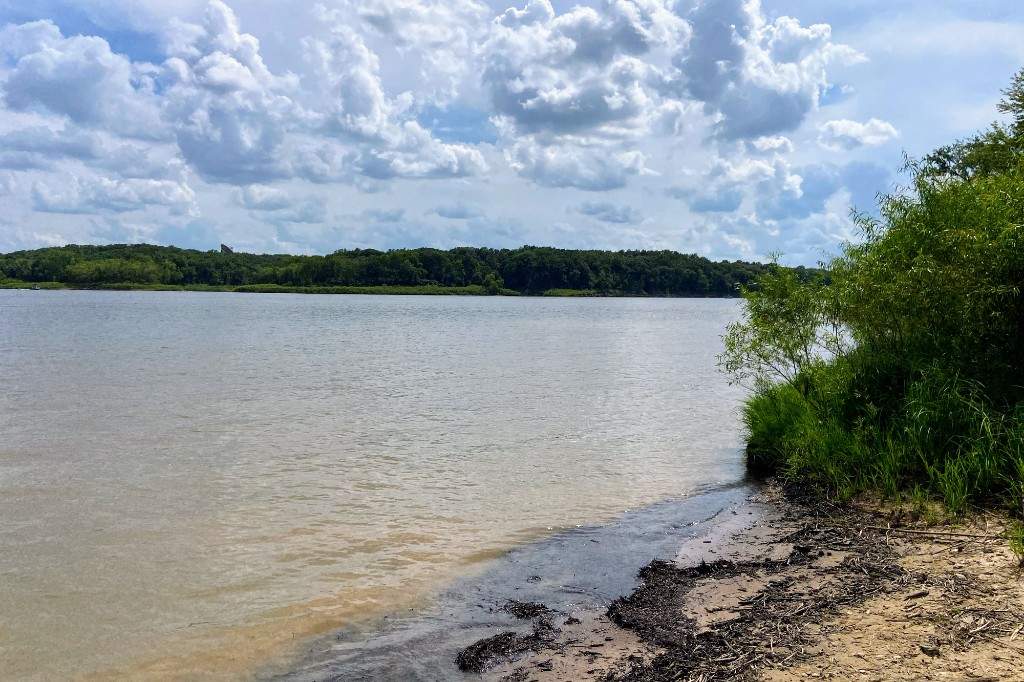
Fifth-grade students from Borlaug Elementary School were participating in a multi-day outdoor learning program. They were at Lake MacBride State Park near the Coralville Reservoir spillway. It is part of a popular Iowa initiative designed to get kids out into nature.
According to reports from the Johnson County Sheriff's Office and family statements, 10-year-old Ahmed Osman wandered near the lake bed and fell into the water. Hannah Jorgensen, a 24-year-old fifth-grade teacher, rushed in to try and save him.
Neither made it out.
First responders pulled Jorgensen's body from the water first. Search efforts for young Osman continued into the next day, ending with the heart-wrenching recovery of his body. The community was left reeling. Tributes poured in from the Iowa City Community School District, mourning the devastating loss of both a beloved educator and a young student.
The Scrutiny Facing Outdoor Education Programs
Programs like the "School of the Wild" aim to connect children with nature. They sound great on paper. But they also introduce massive logistical challenges for supervising staff.
When you put twenty or thirty energetic ten-year-olds near natural bodies of water, cliffs, or dense woods, the margin for error shrinks to almost zero. Teachers are trained to teach math, reading, and science. They aren't swift-water rescue specialists or wilderness survival guides.
Throwing educators into high-risk natural environments without specialized safety personnel creates a ticking clock. Parents trust schools with their kids' lives. They assume that if a school takes children near a reservoir spillway, safety nets are foolproof.
Clearly, they aren't always enough.
How Schools Can Prevent Future Tragedies
We can't stop taking kids outside. Experiential learning matters. But we have to change how safety is managed on these trips.
- Mandatory third-party guides: Schools shouldn't rely solely on classroom teachers to manage hazard zones near water. Certified park rangers or professional outdoor guides must lead any activities near lakes or rivers.
- Stricter student-to-adult ratios: A single teacher cannot watch twenty-five kids in an open outdoor area. Ratios need to drop significantly when water is present.
- Clear risk assessments: Every single hazard on a field trip route must be mapped out weeks in advance. If a spillway or deep water lacks physical barriers, the trip shouldn't happen there.
Accidents happen fast. When water and children mix, seconds matter. Honor the memory of Hannah Jorgensen and Ahmed Osman by tightening the rules before another family gets that phone call.