Science funding in America is broken. When researchers at the Rocky Mountain Biological Laboratory in Colorado started looking for ways to keep their multi-decade marmot study alive, they didn't just turn to standard grants. They got creative. They turned to internet culture, meme coins, and even adult-subscription platforms.
If you’re wondering how we got to a point where serious ecological research depends on crowdsourced cash and internet spectacles, you aren't alone. The system currently dictates that if you want to understand how climate change kills off wildlife, you’d better be prepared to market like a social media influencer.
The funding gap is a reality check
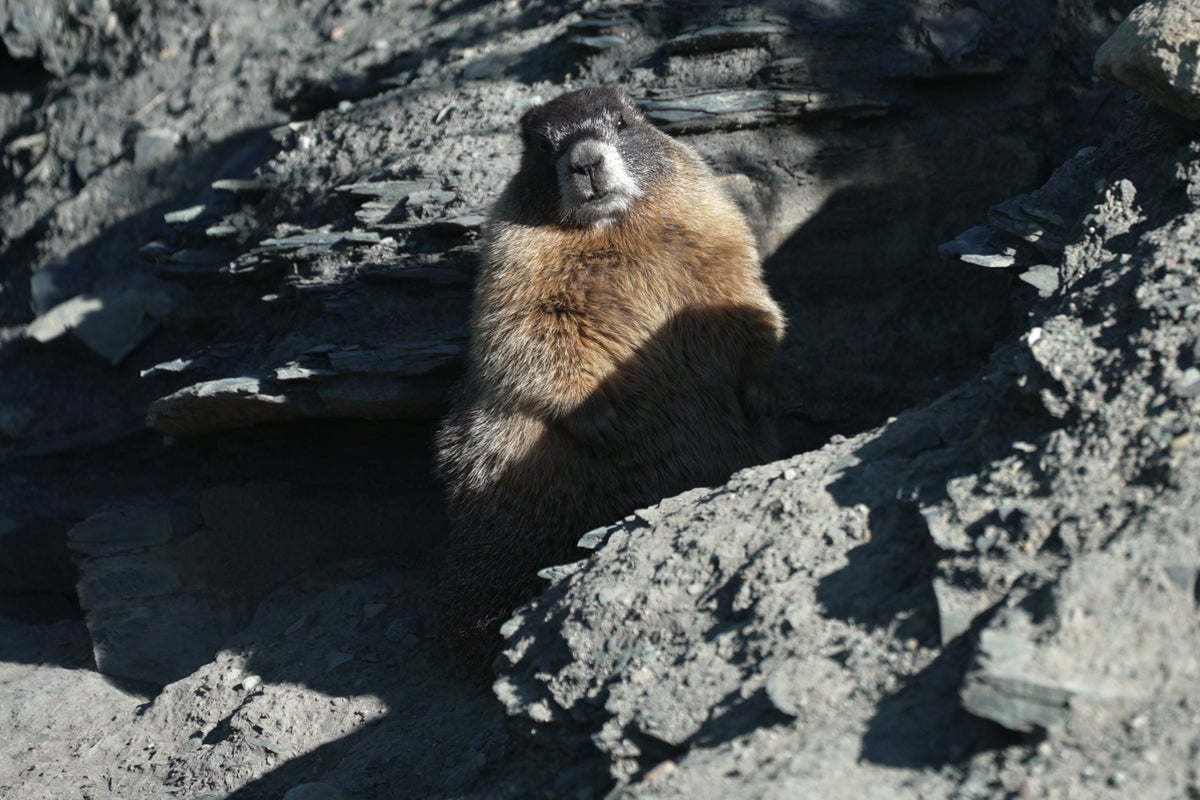
The project in Gothic, Colorado, has been tracking yellow-bellied marmots since 1962. It is one of the longest-running studies of individual mammals on the planet. But history doesn't pay the bills. Federal budget cuts have left labs across the country scrambling.
When institutional support dries up, researchers are forced to act like entrepreneurs. The team, known affectionately as "marmoteers," needs roughly $200,000 to lock in their field operations for the next three years. Without that, the data stream stops. Years of observation go dark.
This isn't just about losing cute rodents. Marmots are a signal species. Because they rely on snowpack to insulate their burrows during their deep, months-long hibernation, they are the first to feel the burn when climate change disrupts winter patterns. Last winter, a lack of snow cover in the Rockies acted like a death sentence, wiping out roughly two-thirds of the monitored population. When these animals die, the entire ecosystem balance shifts.
Marketing survival in the digital age
The team is launching "Fat Marmot Week," a digital bracket-style competition modeled after Alaska's famous Fat Bear Week. It’s designed to generate public engagement. It works because it’s fun. It gives people a way to care about a specific animal—like "Stonehenge," the marmot who chirps at mountain bikers—rather than just abstract data points.
However, the more unconventional pivot involves using OnlyFans. Yes, the subscription site primarily known for adult content. The researchers are using the platform to host behind-the-scenes content that you simply won't see in a peer-reviewed journal. It's a pragmatic, if slightly jarring, adaptation to the reality of modern science communication.
They haven't stopped there. A supporter launched a meme cryptocurrency, $OnlyMarms, which directs transaction fees to the research project. It has already funneled about $100,000 into the study. Is it wild to see scientific research funded by meme coins? Absolutely. Is it better than losing sixty years of longitudinal data? Without a doubt.
Why this shift matters for the future of research
You might think these methods are desperate. Maybe they are. But they are also a preview of how environmental science might have to operate in the coming decades. If the public sector won't foot the bill, the private sector—or the public itself—has to fill the gap.
Here is what this means for you:
- Expect more democratization of science. Expect researchers to spend less time in the lab and more time building communities on platforms where people actually hang out.
- Support matters more than ever. If you care about specific causes, direct support is becoming the primary mechanism for survival, not government policy.
- Science is getting personal. The days of ivory tower research are over. If a researcher can’t tell a story that makes you want to hit "subscribe" or "vote," their work might not exist in ten years.
The price of losing data
Why keep studying marmots? Because the Colorado River flows downstream. What happens to the mountain snowpack affects water rights, agriculture, and drinking supplies for millions of people. The marmots are just the first responders telling us the house is on fire.
If you want to support this kind of work, don’t wait for the government to find its checkbook. Look for university crowdfunding pages, legitimate citizen science initiatives, or lab-affiliated donation portals. Academic research is moving toward a patronage model. If you have the ability to contribute, consider it an investment in the basic environmental data we need to survive the next century.
The researchers in Gothic aren't laughing because they think the situation is funny. They are laughing because the alternative is to stop, and they aren't ready to let the data die.