US Treasury Secretary Scott Bessent recently made a staggering promise. He stated that Washington is about to unleash economic isolation on Iran "like the world has never seen before".
If you are wondering what that actually means in practice, you are not alone. When high-ranking officials throw around phrases like unprecedented financial warfare, the reality on the ground usually involves complex layers of banking restrictions, secondary penalties, and severe supply chain blockades. For a closer look into similar topics, we recommend: this related article.
Let's look past the political rhetoric and break down the specific playbook the US Treasury is preparing to deploy.
The Two-Pronged Strategy Explained
Bessent’s proposed approach rests on two distinct pillars: airtight financial pressure and a strict physical blockade of Iranian ports. For further background on this topic, detailed coverage can be read on MarketWatch.
The physical component centers heavily on the Strait of Hormuz. By maintaining a naval posture that chokes off maritime traffic going in and out of Iranian terminals, the administration aims to stop commercial imports and oil exports cold.
At the same time, the financial side targets the remaining lifelines keeping Tehran's treasury afloat. Iran's economy has already suffered from intense inflation and devalued currency following months of direct military conflict. Yet, the regime has managed to survive by routing oil sales through various gray-market channels, heavily reliant on buyers in Asia.
The Five-Option Menu on the Treasury Desk
Reports indicate that Bessent presented the White House with a concrete menu of five escalating choices to choke off these final commercial routes.
The most explosive option involves cracking down directly on major Chinese financial institutions that handle the purchase of the vast majority of Iranian crude exports. Hitting these banks with severe penalties would force international lenders into an impossible corner. They would have to choose between facilitating trade with Tehran or retaining access to the American dollar-clearing system.
We saw a similar version of this strategy used against North Korea years ago. When foreign corporations face the threat of total exclusion from Western markets, compliance usually follows fast.
Another major tool involves secondary sanctions. These measures target third-party entities, independent refiners, and shipping networks across the Middle East and Asia that help Tehran evade detection. If you are a middleman helping move Iranian oil or converting currency for the regime, your business model becomes instantly toxic.
What This Means for Global Markets and Energy Prices
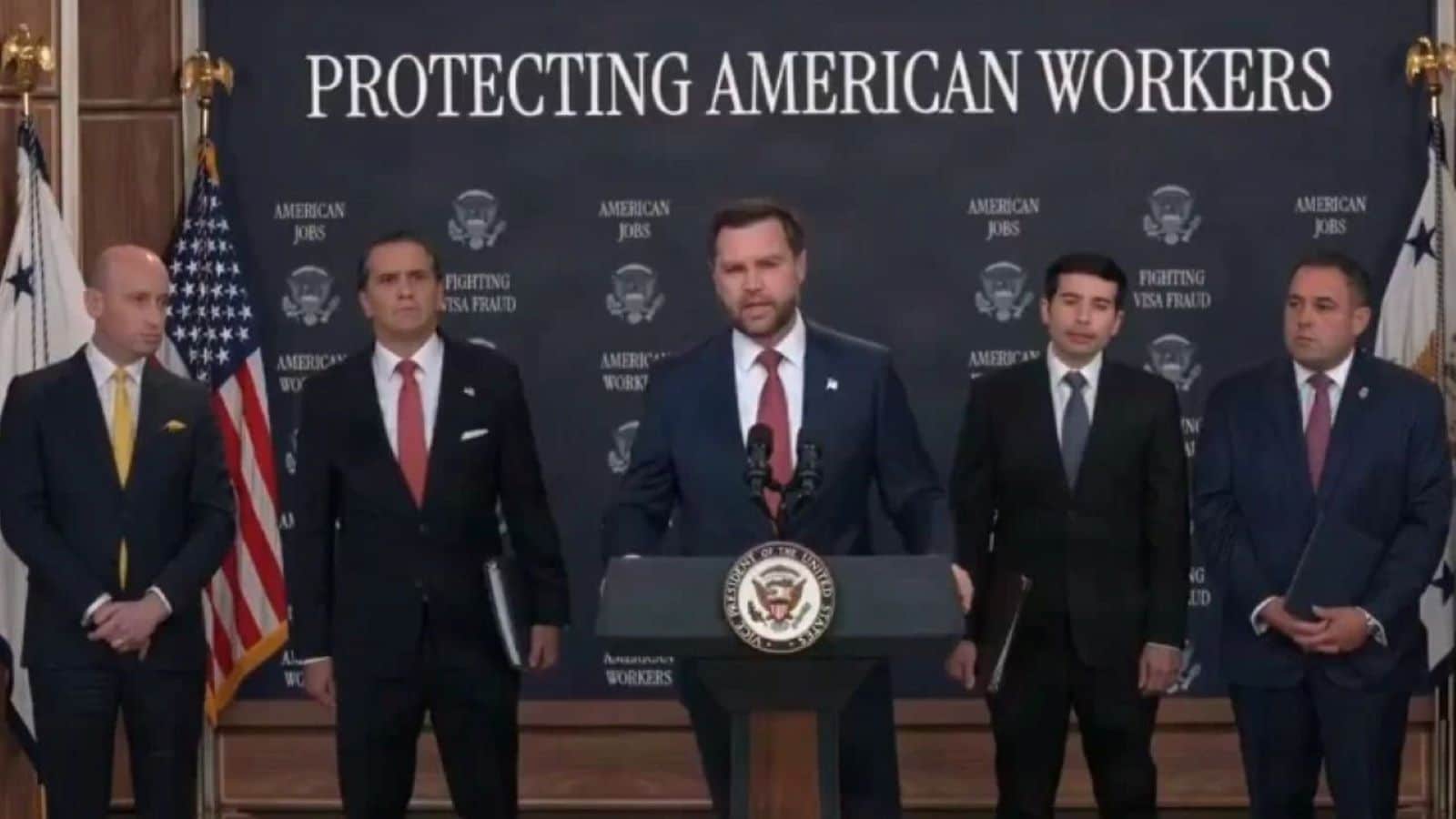
The administration faces a delicate balancing act. Vice President JD Vance has repeatedly emphasized that keeping oil and gasoline prices affordable for American consumers remains a top domestic priority.
When Bessent previously hinted at a quick diplomatic resolution to open up maritime trade lanes, Wall Street immediately reacted with optimism and oil prices dropped. Conversely, tightening the screws further on Iranian energy supplies carries the constant risk of market volatility.
Iran's leadership has shown deep resilience to past embargoes, often shifting toward domestic black markets and alternative trade partnerships rather than altering its core geopolitical stance. Independent trade officials inside Iran note that past restrictions largely pushed the country toward internal corruption and economic contraction instead of policy reform.
Expect the upcoming Treasury announcements to target international shipping registries, front companies, and foreign financial nodes with laser-focused precision. Watch how major Asian buyers react to the latest wave of secondary pressure, because that will dictate whether this historic isolation strategy finally breaks Tehran's fiscal resistance or simply drives global energy costs higher.