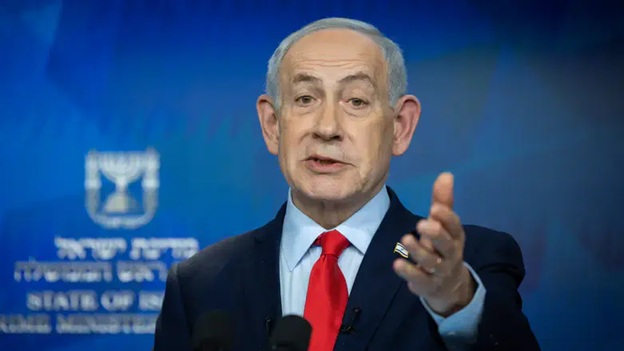
The ground is shifting under the Middle East again, and nobody is pretending this is just another diplomatic handshake. When US Defense Secretary Pete Hegseth flies in for a hush-hush meeting with Israeli Prime Minister Benjamin Netanyahu at the Ovda Air Base, alarms ring from Tehran to Washington. You don't freeze military leaves across the Israel Defense Forces and ramp command centers to wartime footing just to talk about the weather.
Military movements of this scale never happen in a vacuum. Let us break down what is actually happening behind closed doors and why the current escalation looks entirely different from previous standoffs.
Inside the Ovda Air Base Gathering
Reports originating from Axios and corroborated by international wire services point to an unannounced, high-stakes rendezvous in southern Israel. Hegseth and Netanyahu reportedly squared off over a single urgent question: how hard to hit Iran if current diplomatic channels completely burn out.
Washington remains tight-lipped. The Pentagon hasn't issued a victory lap press release, and the Israeli embassy in Washington is playing things close to the chest. But actions speak louder than cautious statements. The Israel Defense Forces canceled all troop leaves starting late in the week, pushing personnel deployment into absolute high gear. This level of operational readiness means commanders are preparing for multi-front responses within hours, not weeks.
The Regional Pressure Cooker
Tehran is already feeling the pinch. Iranian officials recently pointed fingers at the US over alleged strikes near the Konarak naval base, though American officials have pushed back on those specific claims. Regardless of the disputed claims over individual naval facilities, the maritime lanes near the Strait of Hormuz are growing increasingly hostile.
You also have to look at the political calendar ticking down in Tel Aviv. With upcoming parliamentary elections casting a long shadow over Netanyahu's coalition, foreign policy flashpoints always carry a double meaning. Domestic political survival and national security strategy tend to blur together when missiles start talking. President Donald Trump’s recent expressions of backing for the Israeli leadership add another heavy weight to the geopolitical scale.
What Washington and Tel Aviv Really Want
People keep asking if a full-scale regional war is inevitable. Honestly, that misses the point of what these defense strategies are designed to achieve.
The primary objective right now is maximum pressure. By putting military boots on high alert and flying cabinet-level officials directly into secret desert air bases, the US and Israel are sending an unmistakable message to the Iranian regime. They want Tehran to realize that conventional deterrence has entered a much sharper phase. Whether this coercion forces a shift in Iranian behavior or triggers an explosive kinetic response depends entirely on how Tehran calculates its next moves in the region.
Keep your eyes on troop movements and maritime traffic in the Gulf over the next few days. The rhetoric is loud, but the boots on the ground are telling the real story.