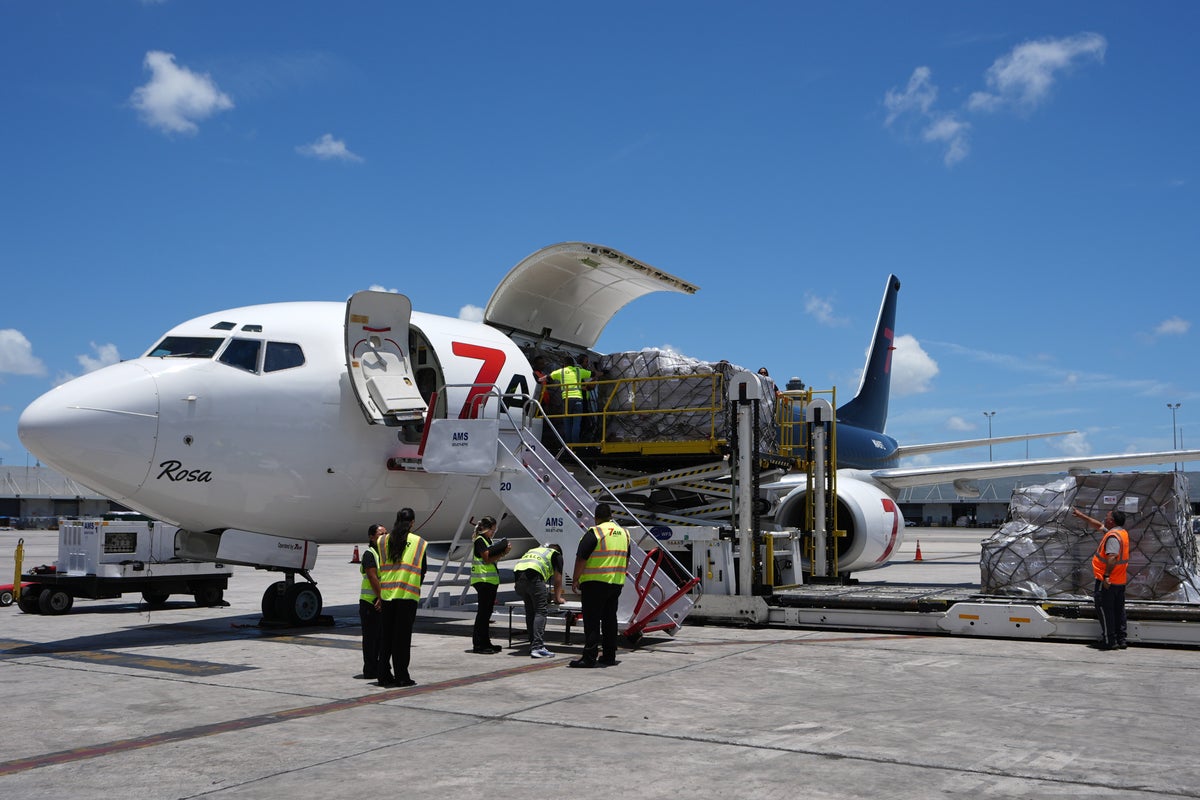
On July 21, 2026, a cargo plane loaded with 700 packages of food and hygiene supplies lifted off from Miami, bound for Cuba. On paper, it sounds like a classic act of American generosity. Dig just beneath the surface, though, and you'll find a foreign policy posture that tries to feed a population with one hand while squeezing the life out of its economy with the other.
This $60 million shipment represents the first installment of a promised $100 million aid effort. The official strategy from Washington is straightforward. Route aid strictly through faith-based channels to bypass Havana, cushion the impact on ordinary citizens, and maintain relentless pressure on the communist regime. But can you really starve a government's budget without starving its people first?
The Logistics of Bypassing Havana
Sending direct aid into a tightly controlled state isn't easy. To prevent state authorities from seizing or re-routing the supplies, the U.S. State Department partnered directly with Catholic groups, including Catholic Relief Services, and local parish priests on the island.
According to Jeremy Lewin, a senior official handling foreign assistance at the State Department, putting local religious networks in charge leaves almost zero room for regime interference. Sean Callahan, CEO of Catholic Relief Services, even traveled to Cuba weeks prior to establish strict accountability protocols.
It builds on a smaller $9 million emergency response deployed after Hurricane Melissa. Yet the diplomatic realities remain messy.
Sanctions on One Hand Aid on the Other
The humanitarian flight didn't happen in a vacuum. It landed right in the middle of an aggressive U.S. pressure campaign designed to force structural political changes in Havana.
Under Secretary of State Marco Rubio and President Donald Trump, Washington has tightened restrictions across the board:
- Heavy sanctions targeting Cuban military and intelligence networks.
- Energy and oil embargoes that have crippled daily power grids across the island.
- Intelligence reports highlighting alleged Cuban espionage operations active in the U.S.
Secretary Rubio, whose parents emigrated from Cuba, has taken a firm, personal stance on dismantling the island's socialist system. Meanwhile, rhetoric out of Washington has periodically hinted at broader military options to force a transition.
This dual approach creates an obvious friction point. You cannot freeze an entire country's energy infrastructure without crashing its supply chains, cold storage, and agricultural production. A flight carrying 700 care packages barely scratches the surface of that collateral damage.
What the Stats Say About the Math
Cuban Foreign Minister Bruno Rodríguez didn't hesitate to point out the arithmetic gap. Before the plane even left Florida, he brushed off Washington's aid announcements, noting that while $100 million sounds generous, it barely offsets five days of economic damage caused by U.S. embargoes and energy blockades.
Look at the numbers yourself.
- Total Promised Aid: $100 million total package
- Initial Shipment Value: $60 million tranche
- Immediate Reach: 700 packages distributed via Catholic networks
- Economic Impact: Offsets roughly 5 days of embargo losses, per Cuban official estimates
State-run media in Havana ignored the Miami flight entirely. Silence from government outlets underscores just how reluctant the regime is to acknowledge relief coming from its primary adversary, even as local churches distribute items directly to struggling families.
The Real Problem With Parallel Diplomatic Strategies
Humanitarian aid routed around state institutions can keep vulnerable families afloat during extreme crises. That's a good thing. Nobody wants families to go without basic hygiene products or staple foods.
However, treating humanitarian relief as a offset for sweeping macro-economic blockades rarely yields long-term stability. When oil blockades stop public transit and shut down domestic food distribution, emergency airlifts become a temporary bandage on a systemic wound.
If Washington wants to encourage systemic political change while protecting everyday citizens, relying solely on faith-based distribution channels while locking down the broader economy won't achieve both goals cleanly. You end up stuck in a cycle where aid efforts continuously fight against the economic damage caused by sanctions policies.
Practical Steps to Track US Cuba Relations
If you want to stay informed on how this policy unfolds, keep these steps in mind:
- Watch official updates from the State Department regarding foreign assistance tranches and distribution reports.
- Follow reports from independent non-governmental organizations like Catholic Relief Services that operate directly on the ground.
- Track international trade and energy reports to see how fuel restrictions impact daily living conditions across Cuban provinces.
For deeper context on how Cuban officials view Washington's strategy, watch Bruno Rodriguez on US Sanctions and Impact, which shows the Cuban Foreign Minister detailing the human toll of foreign economic pressure on ordinary citizens.
http://googleusercontent.com/youtube_content/1