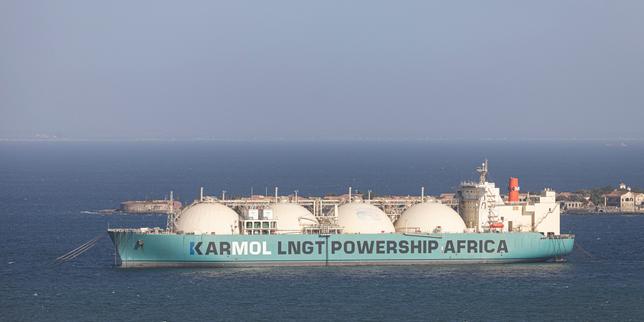
The grand dreams of overnight wealth and universal prosperity are crashing hard against economic reality in West Africa. When offshore oil and natural gas fields were discovered off the coast of Senegal years ago, politicians promised a financial windfall that would completely transform local living standards, lower energy bills, and fund massive public infrastructure. Today, those optimistic projections face severe friction. The anticipated riches haven't trickled down the way citizens expected, leaving communities questioning the true cost of fossil fuel extraction.
Managing expectations around multi-billion-dollar energy projects is never easy, but Senegal's case highlights a recurring global trap. Major international energy operators extract raw commodities, yet ordinary citizens see very little change in their daily purchasing power. Inflation persists, electricity costs remain high, and structural employment shifts fail to materialize for the average worker on the streets of Dakar.
The Institutional Gridlock Over Hydrocarbon Codes
Political friction has intensified around how the state manages its energy contracts. Legislative attempts to rewrite the rules of engagement, such as efforts by parliamentary majorities to mandate stricter legislative reviews before signing new hydrocarbon deals, highlight deep administrative anxiety. When the Constitutional Council steps in to block procedural overhauls—declaring specific legislative amendments regarding the petroleum code inadmissible—it exposes a rigid system caught between executive authority and public demand for transparency.
You cannot easily untangle energy governance from local politics. Citizens want absolute clarity on where revenue goes, who negotiates the terms, and why fiscal disputes with multinational corporations end up locked in prolonged legal or tax battles. Transparency remains the single biggest missing ingredient. Without clear, unvarnished public accounting, every delayed infrastructure project or high electricity bill fuels public cynicism.
Why the Energy Windfall Fails the Streets
The fundamental disconnect lies in how resource rents circulate through national economies. Oil and gas extraction operations are heavily capital-intensive rather than labor-intensive. They require specialized engineering, high-tech offshore infrastructure, and imported technical expertise. They do not employ massive segments of the domestic workforce.
- Local job creation falls short of initial political rhetoric.
- Energy subsidies or domestic pricing relief rarely match public expectations.
- Environmental scrutiny grows as coastal communities worry about fishing yields and marine habitats.
When a barrel of oil or a cubic meter of gas leaves territorial waters, the macro-economic indicators might look impressive on paper. Gross domestic product figures might spike during initial production phases. But if that capital sits in centralized accounts or services external debt obligations, the average shopkeeper or fisherman feels zero impact.
Moving Past the Resource Curse Trap
Avoiding the classic resource curse requires deliberate policy shifts. Governments must stop selling fossil fuel projects as immediate cures for poverty. Instead, revenue streams need strict legal safeguards guaranteeing transparent reinvestment into diversified sectors like agriculture, education, and small business tech hubs.
Fixing public trust means abandoning closed-door negotiations entirely. Until ordinary people can trace a direct line between offshore drilling platforms and cheaper, reliable local electricity, the skepticism will remain entirely justified. Real economic transformation takes decades of disciplined institution-building, not just the opening of a marine valve.