Winning an election is the easy part. Governing a fractured country after fourteen years of autocratic rule is where the real nightmare begins.
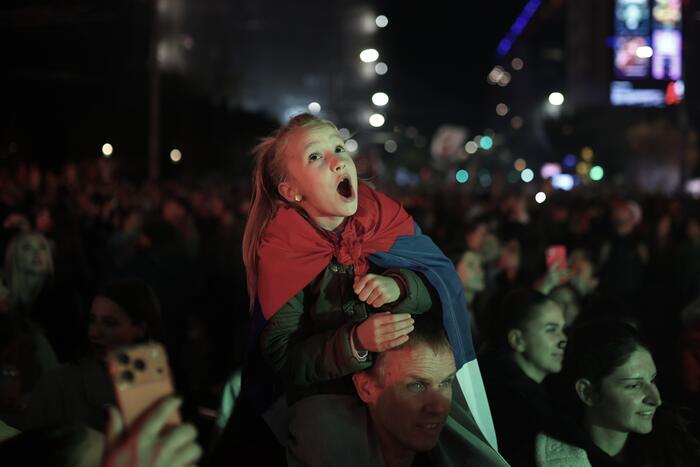
When the student-led opposition movement secured 140 seats in Serbia's 250-member Parliament and sent Aleksandar Vucic's ruling Serbian Progressive Party packing, the streets of Belgrade erupted. Flares lit up the night, horns blared, and ordinary citizens felt like the iron grip of the past decade and a half had finally shattered. But beneath the euphoria lies a ticking clock and a mountain of systemic dysfunction that a bunch of political newcomers are suddenly expected to fix overnight.
If you think a ballot box victory cleans up institutional rot instantly, you haven't paid attention to post-revolutionary transitions. Let's look at the actual hurdles waiting for Serbia's new leaders as they try to transition from street protests to state power.
The Reality of Translating Protest Energy Into Executive Action
Right now, the interim timeline is messy. Vucic conceded defeat quickly after polls closed in late October 2026, but Serbia's election laws don't hand over the keys the next morning. Appeals, potential reruns at disputed polling stations, and final vote certifications mean a new government won't officially take office for weeks.
Worse, Vucic's tactical resignation as president right before the parliamentary race triggered a completely separate presidential contest. That leaves a lingering power vacuum. When you have high public expectations fueled by years of pent-up anger over inflation, cronyism, and public infrastructure neglect, weeks feel like years.
Impatience is already bubbling over into volatile friction. During the post-election celebrations, crowds clashed with withdrawing police units, dismantled long-standing Vucic loyalist camps in central Belgrade, and targeted state-aligned media outlets. When groups stormed the private Informer television station—which spent months labeling student activists as foreign agents—it showed how fragile the peace really is. Police had to cordon off other pro-government broadcasters like Pink TV to prevent full-scale riots.
Street justice feels satisfying in the moment, but it threatens to undermine the very rule of law the students promised to restore.
Dismantling Deeply Entrenched State Graft
The whole movement started because of a tragedy. The Novi Sad train station canopy collapse in 2024 killed 16 people, exposing how systemic corruption and shoddy oversight had infected public infrastructure projects across the country.
The Students' List built its 11-point platform entirely around fighting this graft. Their goals sound great on paper:
- Overhauling the police force and judiciary to clear out partisan loyalists.
- Creating an independent police unit directly accountable to neutral prosecutors.
- Banning corrupt officials from public office indefinitely.
- Reviewing every major infrastructure contract signed by the previous administration.
Doing this without triggering a total administrative collapse is nearly impossible. Corruption in Serbia isn't just a few bad apples at the top; it's woven into local bureaucracies, municipal employment, and regional contracting networks built over fourteen years. When you fire partisan bureaucrats, who runs the water plants, tax offices, and transit systems on Monday morning? Filling those gaps with competent, non-partisan personnel takes years, not weeks.
The Foreign Policy Trap Between Brussels and Moscow
While domestic corruption is an immediate crisis, foreign policy is a ticking time bomb that the student movement deliberately sidestepped during the campaign.
Vucic mastered the art of balancing act diplomacy. He kept Serbia's European Union membership bid in perpetual limbo while refusing to join Western sanctions against Moscow following the war in Ukraine. That balancing act kept nationalist and pro-Russian voters happy while maintaining minimal economic ties to the West.
The new leaders can't dodge this forever. Some figures within the Students' List have already signaled that the country's stance on Russian sanctions won't change overnight. That's going to alienate a massive chunk of their Western-leaning base who voted specifically to pull Serbia out of Moscow's orbit and into the European fold.
At the same time, pivoting hard toward the West carries immense political risk. NATO's 1999 bombing campaign and the U.S. and EU recognition of Kosovo's independence in 2008 left deep scars in the Serbian national consciousness. EU enlargement commissioner Marta Kos has already stated that Brussels is ready to support the new government on its European path, but reforms tied to EU accession will force painful legislative votes that could fracture the coalition before it even passes its first budget.
What Needs to Happen Next
The student movement achieved the impossible by out-organizing a entrenched political machine at the ballot box. Now comes the boring, grueling work of institutional repair.
If they want to survive, they need to manage public expectations immediately. They must establish transparent investigative committees to handle past corruption without turning the process into a messy political witch hunt that paralyzes government functions. They also need to articulate a clear, realistic foreign policy stance that doesn't alienate either half of a deeply polarized nation.
The street lamps in Belgrade are still smoking from the victory celebrations, but the real test starts the moment the new parliament steps into session.