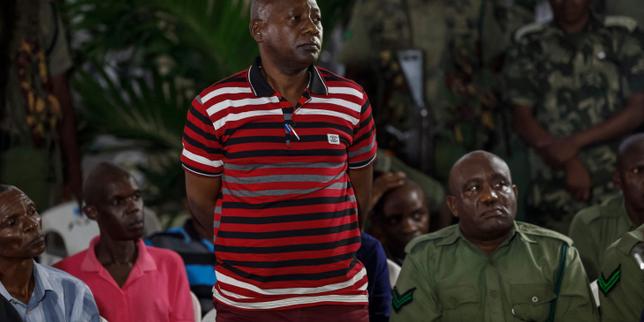
Justice Diana Kavedza Mochache didn't mince words during her eight-hour reading of the judgment at the Mombasa High Court. Self-proclaimed doomsday preacher Paul Mackenzie and nearly thirty co-accused were found guilty of murdering 190 children and one adult. If you've been following the horrifying fallout of the Shakahola forest tragedy, you already know the grim baseline. More than 400 bodies have been exhumed from shallow graves in southeastern Kenya since 2023. But Monday's ruling marks a monumental turning point in holding extremist leaders accountable for mass atrocities carried out under the guise of faith.
How the Shakahola Starvation Horror Unfolded
Mackenzie, a former taxi driver turned founder of the Good News International Church, orchestrated a systematic plan of mass starvation. Investigators and survivors revealed that the cult's deadly schedule followed a chilling hierarchy. Children were targeted first. Women and young men came next. Remaining men were starved last.
Followers were lured into the remote Shakahola forest with promises of escaping worldly hardships. Instead, they found themselves trapped in makeshift encampments divided into grim biblical zones named Jerusalem and Judea. Armed militia enforced strict fasting rules. Children were isolated and denied food while parents watched in despair. Autopsies and police reports confirmed that many victims ultimately died not just from extreme malnutrition, but also from asphyxia, neck compression, and severe blunt-force trauma when they tried to resist or flee.
The Blind Spots That Let a Serial Extremist Operate
How did a known radical operate in plain sight for years? That is the question haunting Kenyan authorities and civil society. Mackenzie first surfaced on police radar as early as 2017 when law enforcement raided his Malindi compound and found dozens of children kept out of school. Authorities shut down his church formally in 2019, yet he simply packed up and relocated deep into the isolated coastal forest.
Critics point out systemic regulatory failures that allowed fringe organizations to bypass oversight. In Kenya, where religious faith holds massive cultural and public influence, oversight mechanisms historically avoided treading on religious liberties. President William Ruto publicly admitted that government agencies should have caught and prevented the catastrophe years earlier. The tragedy exposed a dangerous regulatory vacuum where self-proclaimed prophets can preach radical doctrines without institutional checks.
What Real Accountability Looks Like Now
The Mombasa court's rejection of Mackenzie's defense—that he never forced anyone to fast—sends a clear message. The judiciary is drawing a hard line between protected spiritual expression and outright criminal manipulation. Sentencing is scheduled for November 6, and prosecutors are pursuing additional terrorism-related charges, alongside separate indictments tied to another 52 bodies discovered in nearby Kwa Binzaro village.
For grieving relatives like Francis Wanje, who lost eight family members including two grandchildren, the verdict offers a fragile sense of closure. Yet the broader national reckoning has only just begun. Lawmakers face immense pressure to tighten oversight on religious organizations, register operating entities more strictly, and train community policing networks to spot coercive control before it festers into fatal isolation.
Protecting vulnerable communities means dismantling the blind trust often granted to charismatic figures. Scrutinize local groups making extreme claims, report isolated compounds, and demand institutional accountability from local authorities long before warning signs escalate into tragedy.