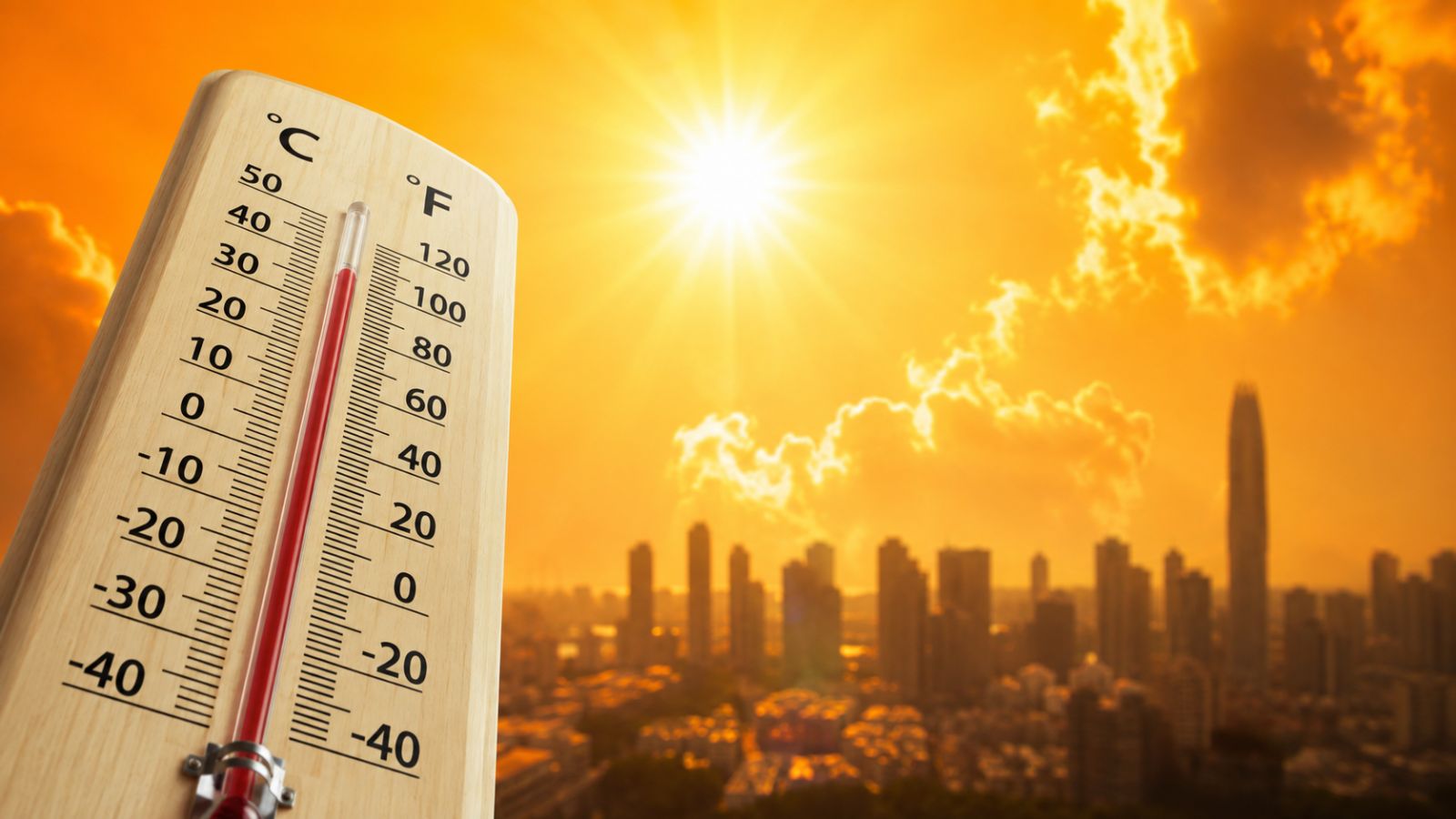
The United States just officially baked its way into history books. According to data released by the National Oceanic and Atmospheric Administration (NOAA), July clocked in as the hottest month ever recorded across the contiguous United States since official record-keeping began back in 1895.
The average temperature across the Lower 48 states hit a staggering 76.89 degrees Fahrenheit (24.94 degrees Celsius). That number narrowly edges out the previous historic high set back in July 1936, a grim reminder of the infamous Dust Bowl era. When you're beating benchmarks from the worst environmental catastrophe in American history, people pay attention. But why does this specific temperature spike matter so much, and what is driving the relentless heat?
The Dust Bowl Benchmark Gets Toppled
Most people remember the 1930s for dry winds, ruined crops, and massive human migration. Back then, brutal temperatures combined with disastrous farming practices to turn the American heartland into a dust-choked wasteland.
Yet, last month managed to surpass that terrifying standard by roughly an eighth of a degree. Russ Vose, chief of monitoring at NOAA's National Center for Environmental Information, points out a crucial difference between then and now. The 1930s heat was heavily concentrated in the central plains and worsened by localized land mismanagement. Today's heat is widespread.
Every single state in the Lower 48 recorded a July average at least 1 degree Fahrenheit above its 20th-century average. Wyoming even logged its hottest July and its hottest month ever recorded, sitting 5.1 degrees above normal.
The Real Danger Hides After Sundown
While scorching daytime highs grab headlines, scientists warn that the real engine behind this record-shattering month was the lack of nighttime cooling.
NOAA figures show that the average minimum temperature across the Lower 48 smashed previous records for nighttime lows by 0.7 degrees Fahrenheit. When the sun goes down, the heat stays put.
"If you're talking heat waves, that nighttime low is incredibly important for determining total heat stress," explains meteorologist Jeff Masters of Yale Climate Connections. "So if it doesn't cool off at night, your body doesn't have time to readjust to all the heat."
Without that natural nighttime relief, human bodies, livestock, and city infrastructure take a brutal beating. Prolonged warm nights drive up heat-related illnesses and send electricity bills soaring as air conditioning units run non-stop. An AP-NORC poll highlights that nearly half of Americans report a major financial hit from surging energy costs, while two-thirds note disruptions to everyday family activities and exercise routines.
Shifting From Natural Cycles to Fossil Fuel Realities
We aren't dealing with a simple fluke summer weather pattern. Climatologists agree that the fingerprint of human-driven climate change is all over these numbers.
While natural climate variability exists, burning coal, oil, and gas pumps trapped greenhouse gases into the atmosphere, creating a baseline that keeps shifting upward. Katharine Jacobs, a climate scientist at the University of Arizona, notes that the high temperatures, intense droughts, and raging wildfire conditions seen this season match climate models perfectly.
In fact, experts warn that as global temperatures continue to rise, a scorching July like this one might soon feel like a relatively mild baseline year compared to what's coming down the pipeline.
What You Can Do Now
Extreme heat requires practical preparation rather than passive worry. If you want to protect your household and wallet from future temperature surges, take concrete action today.
- Audit your home insulation: Prevent cool air from escaping to cut down on runaway air conditioning bills during peak heat domes.
- Plan around peak hours: Shift outdoor workouts and errands to early morning hours before daytime thermal loads peak.
- Identify cooling centers: Know where air-conditioned public spaces are located in your local community in case of power grid failures or severe heat advisories.


