Symbolism beats substance at great power summits. Almost every time.
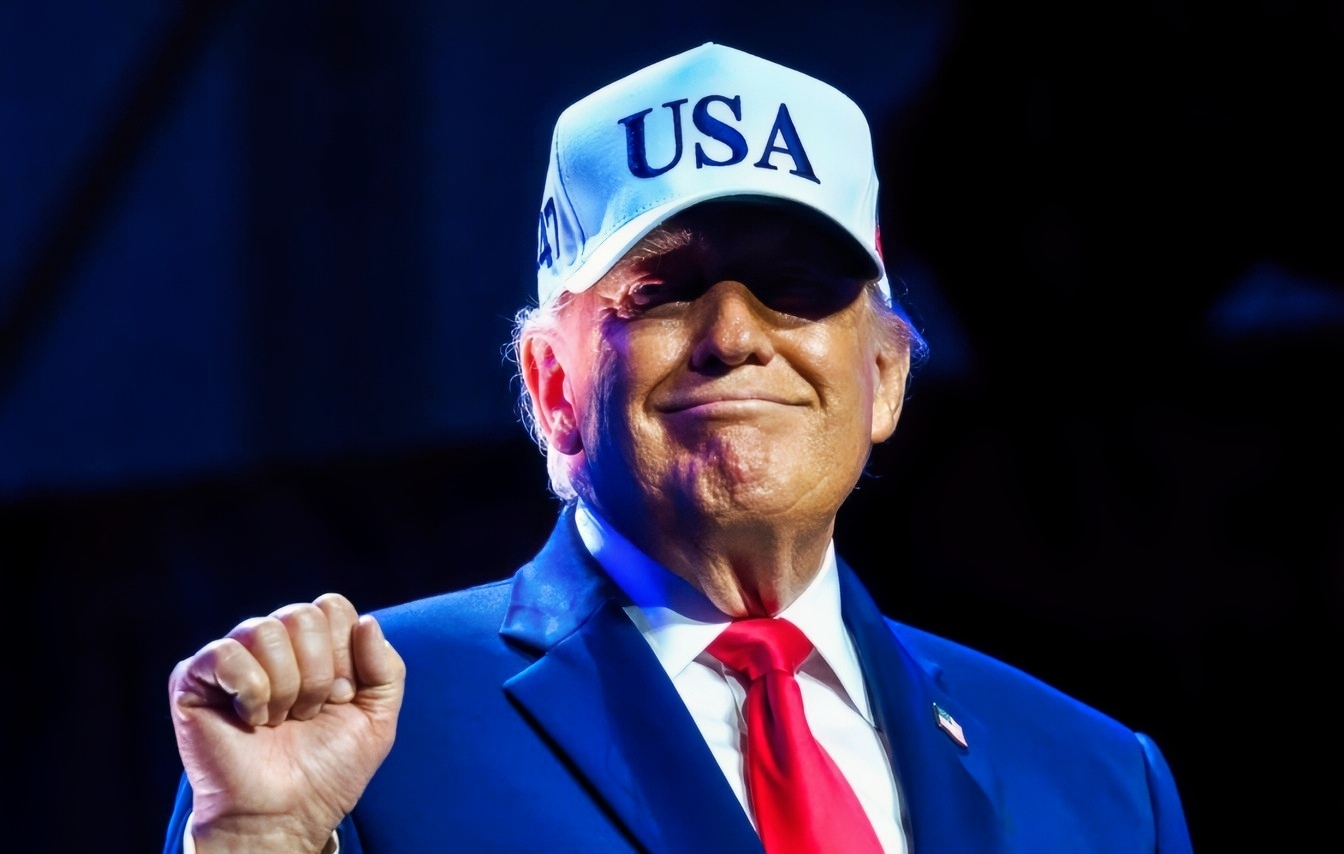
When Xi Jinping hosted Donald Trump and Vladimir Putin in Shenzhen, the cameras did the heavy lifting. Three leaders at one table. Xi sitting at the head of it, calling the gathering groundbreaking while Washington, Moscow, and Beijing all chased different headlines. If you're looking for a neat treaty or a grand peace settlement signed in ink, honestly, you're looking in the wrong place. A photo of the leaders of China, the United States, and Russia sitting together in southern China isn't a finished blueprint for world order. It's a staging ground. And it signals a post-western world taking shape faster than traditional diplomacy ever predicted.
I've spent years watching how major power summits play out on paper versus on the ground. Usually, the loudest triumphalism comes right before the hardest friction starts. When big powers sit down without old alliance guardrails, nobody walks away with a settled global map. Instead, each side tries to lock in leverage for the next round of trade fights, security disputes, and tech bottlenecks.
Why Shenzhen Was About Staging Power Rather Than Solving It
Pick Shenzhen on purpose. That choice alone tells you plenty.
Shenzhen isn't Beijing's dusty bureaucratic capital, and it isn't a neutral European resort town either. It's the engine room of modern Chinese manufacturing, electronics, and hardware scale—right across the border from Hong Kong and tightly woven into global supply chains. Hosting Donald Trump and Vladimir Putin there let Xi Jinping project confidence, control, and centrality without needing a single binding resolution to prove his point.
From Beijing's angle, staging the meeting at home sends a blunt message. China wants to look like the natural organizer of big-power conversations, not just a reactive player waiting for Washington or Brussels to set the agenda. Even when real disagreements over trade, technology, and Taiwan sit right under the surface, hosting the room gives the host an edge in framing what happened.
Yet a staging win isn't the same as solving core disputes. A leader can sit at the head of a table and still face fierce tariff pressure, export controls on advanced chips, and deep distrust over security guarantees. Symbolism creates momentum and narrative leverage. It doesn't erase conflicting interests.
What Washington, Moscow, and Beijing Actually Want
People love treating a three-way meeting like a single plot with one winner. Doesn't work like that. Each capital brings its own pressures and bargaining chips to the table.
For Beijing, the goal is clear. Keep channels open with Washington enough to avoid an all-out economic crash, keep Moscow close enough to tie down Western attention elsewhere, and present China as a steady anchor of global commerce. Xi wants stability where it helps Chinese growth and leverage where it shapes regional rules.
For Washington under Donald Trump, great-power diplomacy tends to look transactional and direct rather than bound by old multilateral habits. Rather than treating allies' preferences as sacred before every conversation, a direct sit-down tests who blinks, who trades concessions, and how pressure points line up across trade, security, and regional flashpoints.
For Moscow, simply sitting at the same table as both the US and China carries massive weight. Vladimir Putin gains diplomatic breathing room and visibility that counters Western isolation, even when Russia remains the smaller economic partner in the room. Being in the frame matters when you want the world to treat your influence as permanent.
A Post-Western World Is Messier Than People Think
Let's clear up a common mistake right here. A post-western world doesn't mean Western economies vanish overnight or that the US dollar and Western markets stop mattering. Anyone making that claim is getting ahead of the facts.
What is shifting is the monopoly on rule-making. For decades after the Cold War, Western capitals routinely assumed they wrote the default playbook for global trade, finance, and security norms. Today, that assumption looks shaky at best. Middle powers hedge more openly, supply chains split into overlapping networks, and major powers negotiate directly without asking permission.
Think about how business and policy leaders used to read geopolitical news. You looked for a joint communique, a summit declaration, or a shared institution to tell you where the wind was blowing. Lately, you learn more from export rules, shipping reroutes, commodity flows, and who gets invited to sit where.
At the same time, don't swing too far the other way and assume the three leaders form a united bloc. They don't. China and the US still clash hard over technology, trade, and Taiwan. Russia and the US remain locked in deep strategic rivalry over Europe and security. A shared table isn't a shared worldview. It's a pressure valve and a stage.
Where Friction Keeps Boiling Over
If you want to judge whether a summit actually changed anything, skip the opening remarks and watch the pressure points that survive the handshake.
- Technology and semiconductors: Control over advanced compute, chipmaking tools, and AI talent isn't a side issue anymore. It sits right at the heart of national security and industrial policy, making lasting compromise tough.
- Trade and tariffs: Supply chain diversification is expensive and slow, yet tariffs, subsidies, and industrial policies keep pushing companies to rethink single-country exposure.
- Taiwan and regional security: Red lines around Taiwan and nearby waters remain among the most dangerous flashpoints in global politics, where miscalculation carries huge costs.
- European and global security: Disputes involving Russia, Ukraine, and regional deterrence keep military risk front and center alongside economic competition.
Notice how none of these vanish just because three presidents share a room. In fact, direct contact sometimes makes the sharpness of their disagreements easier to see.
Common Myths That Trip Up Analysts and Investors
Whenever a high-profile summit happens, two bad reactions show up almost immediately.
The first myth is assuming a photo equals alignment. It's tempting to read three leaders at one table as a grand deal carving up spheres of influence. Usually, reality is far more tactical. Leaders meet to test each other, manage risk, or project strength to audiences back home—not to hand over their leverage.
The second myth is ignoring economic friction because diplomatic tone sounds calm. Polite words at a summit podium can coexist with aggressive export curbs, regulatory pushback, and supply chain rerouting the very next week. If your analysis stops at body language and talking points, you'll miss what actually moves markets and policy.
Practical Next Steps You Can Take Right Now
Whether you run a business, manage risk, or simply want to follow world affairs without getting played by headlines, you can put this shift into perspective today:
- Audit your supply chain exposure beyond tier-one suppliers. Check where your critical components, raw materials, and software dependencies really come from, not just who sends you the invoice.
- Separate diplomatic theater from hard policy moves. Track actual export controls, tariff schedules, and industrial subsidies rather than relying on summit soundbites.
- Watch how middle powers hedge. Pay attention to countries like India, Brazil, Gulf states, and Southeast Asian economies as they balance ties across Washington, Beijing, and Moscow.
- Stress-test plans against multiple scenarios. Build contingency options for tech restrictions, shipping disruptions, and shifting trade rules instead of betting on one smooth outcome.
Big summits grab the headlines because they look historic. Real shifts happen in the quiet adjustments that follow.