When 128 credit unions across western Japan suddenly lost the ability to process ATM transactions, online banking, and counter deposits, millions of people realized how quickly modern financial life can grind to a halt. This wasn't a sophisticated cyberattack or a massive macroeconomic collapse. It came down to a localized communications equipment failure at a single shared data center.
If you've ever wondered what happens when hyper-centralized banking networks fail, the recent disruption at the Shinkin Joint Center offers a harsh wake-up call. Across 3,430 branch locations, everyday people and small businesses found themselves completely locked out of their own money.
What Actually Happened at the Shinkin Joint Center
The crisis kicked off during regular business hours, hitting institutions from the Tokai region westward. Major regional credit unions like Osaka City Shinkin Bank, Seto Shinkin Bank, and Gifu Shinkin Bank watched their entire digital infrastructure go dark.
The failure centered on the West Japan Center, which handles core data processing operations for member credit unions. Because these cooperative financial institutions pool their IT resources through shared infrastructure managed via partners like NTT Data, a single point of failure in communications equipment cascaded across more than a hundred independent banks simultaneously.
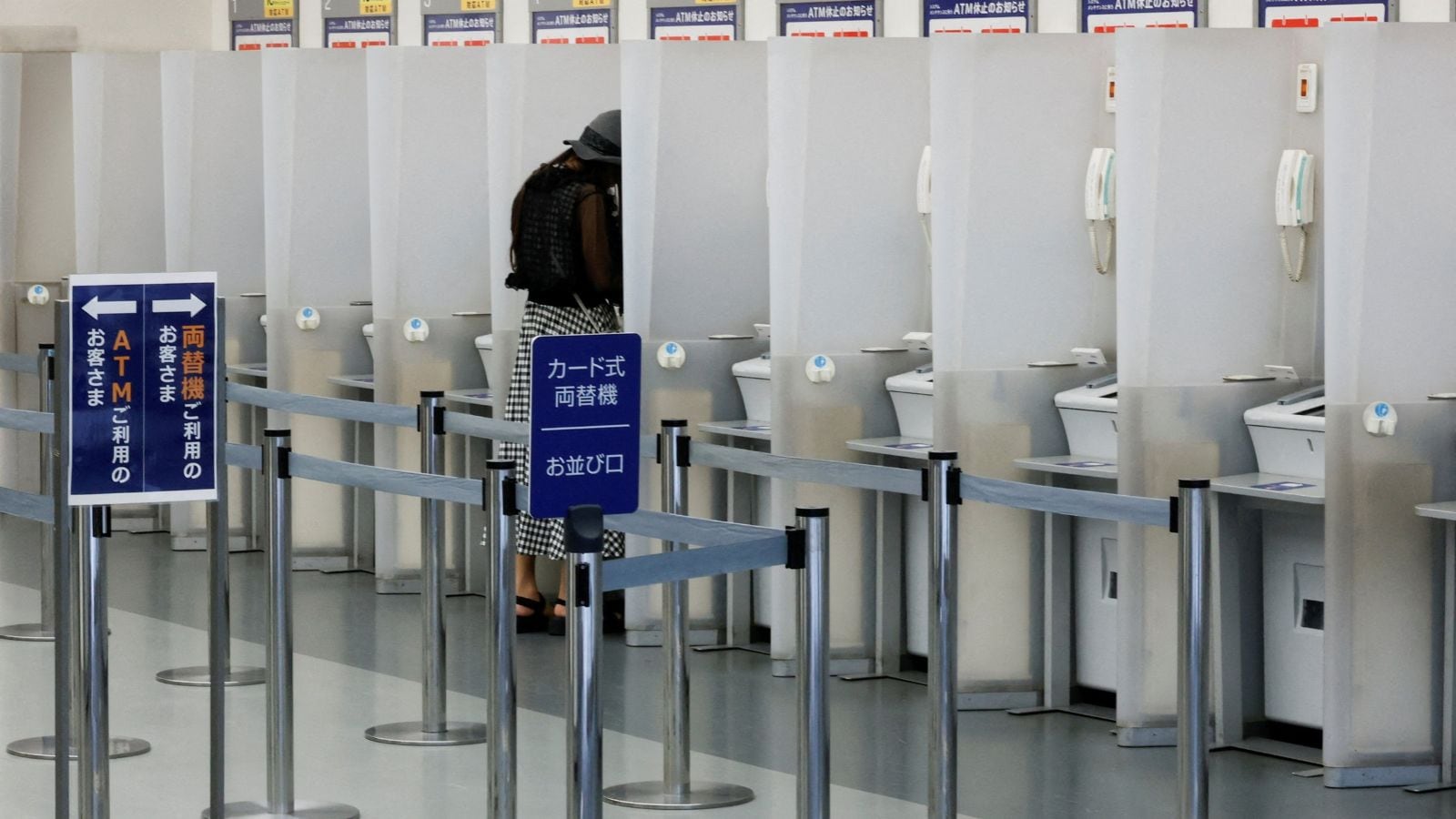
ATM networks locked up. Smartphone banking apps threw error messages. Counter deposits, withdrawals, and automated direct debits stopped dead. Even third-party convenience store ATMs refused to process cash cards issued by the affected credit unions.
The Danger of Shared IT Monocultures
Modern banking loves efficiency. Centralizing core operations through shared networks saves millions in maintenance and hardware costs. But efficiency breeds systemic fragility.
When 236 Shinkin banks rely on a two-center architecture split between eastern and western hubs, you create massive vulnerability zones. When the western hub experiences a communications breakdown, half the country's credit union network goes blind while the eastern network operates normally.
You're looking at a classic single-point-of-failure problem. Small and medium-sized enterprises relying on these local cooperatives couldn't pay suppliers or meet payroll obligations. For sole proprietors, a few hours of frozen liquidity can mean missed bills and immediate cash flow panic.
Cybersecurity Versus Hardware Resilience
Initial panic always whispers the same question: was it hackers?
Authorities and operators were quick to confirm that no unauthorized access, malicious breaches, or cyberattacks occurred. The Shinkin Central Bank stated that the probability of foul play was practically zero, pointing squarely at internal hardware and communication line failures.
That reassurance should actually worry you more. Hackers can be fought with firewalls, security patches, and threat intelligence sharing. Aging hardware, network switches, and redundant communication link failures require tedious physical maintenance and expensive upgrades. If core financial infrastructure can collapse because a piece of hardware at a regional hub gives out, financial institutions have plenty of work left to do.
What This Means for Everyday Account Holders
Events like this strip away the illusion of cash-free convenience. When your bank card becomes a useless piece of plastic, you learn very quickly why holding zero physical cash is a risky gamble.
If you bank with a regional cooperative or credit union, you need a backup plan. Keep a sensible amount of physical cash at home for emergency expenses. Diversify your accounts across different banking groups so that if one regional network experiences an outage, you still have access to secondary funds elsewhere.
Financial institutions will keep pushing deeper into cloud infrastructure and centralized digital services. Until those networks build genuine, decentralized redundancies that can route around local equipment failures in real time, customers will remain one hardware glitch away from financial lockdown.