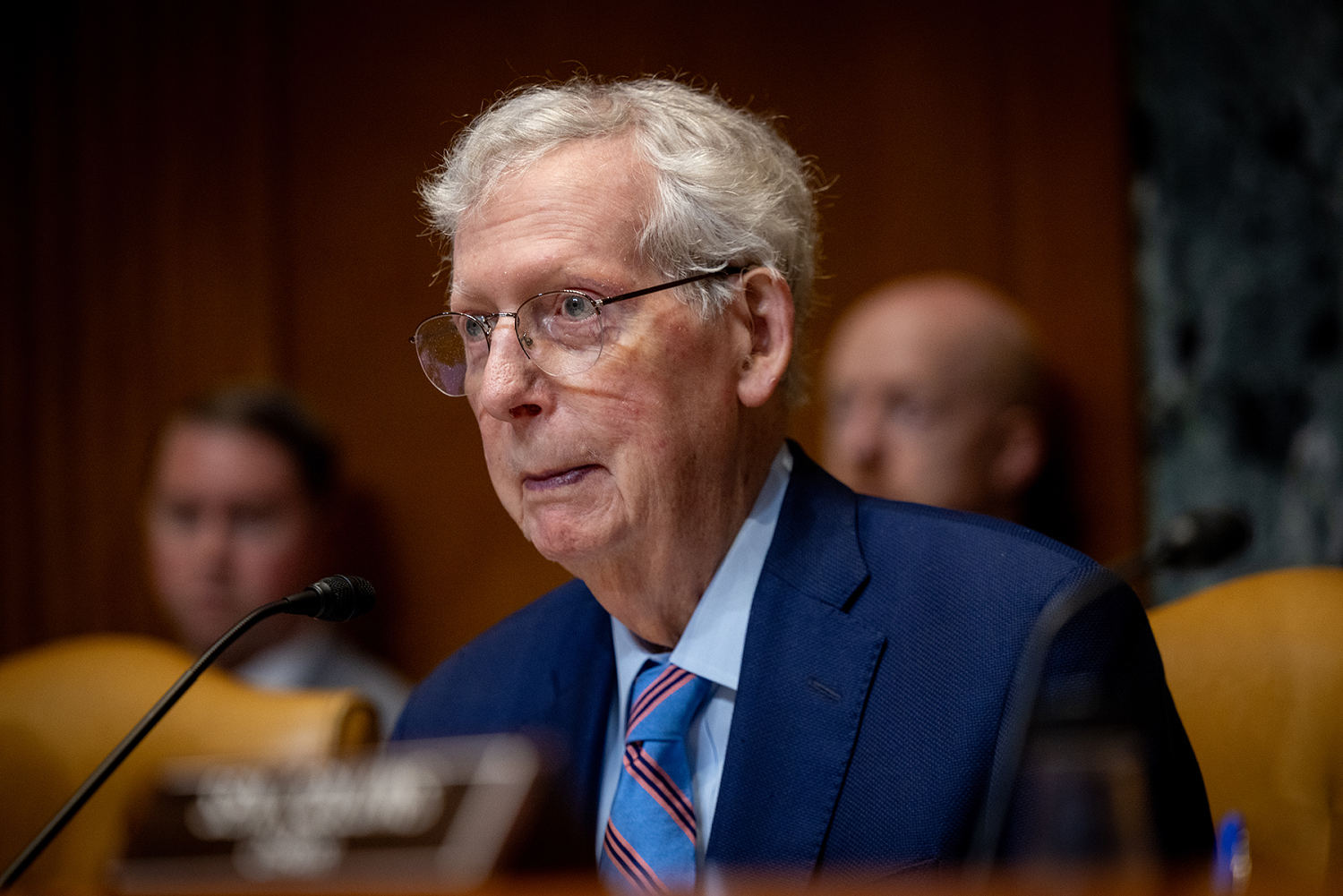
Mitch McConnell broke his four-week silence on Sunday, admitting he was briefly unconscious following a fall at his Washington home last month. The 84-year-old Kentucky Republican, who has been missing from the Senate floor since June 14, released a statement designed to quash intense speculation about his health. Along with the text, his office distributed a photo of a smiling McConnell alongside his wife, former Labor Secretary Elaine Chao—a clear attempt to prove the longtime lawmaker is still very much alive and alert.
The disclosure comes after intense pressure from both sides of the aisle. Last week, Kentucky’s Democratic Governor Andy Beshear took the rare step of publicly calling on McConnell to provide a transparent update, noting that letting rumor mills run wild wasn't fair to Kentuckians. Also making headlines recently: Why The Strait Of Hormuz Ceasefire Collapsed And What Comes Next.
It turns out the rumors were half right. Publicly available EMS dispatch audio from the morning of his hospitalization captured emergency crews rushing to his address for an "unconscious" person, with dispatchers noting "CPR in progress." While McConnell didn't confirm the cardiac arrest details, he conceded that he blacked out.
What the Medical Tests Ruled Out
McConnell's statement focused heavily on what didn't happen to him. For a senior lawmaker with a highly public history of health scares, the list of negative test results was crucial for his political standing. Additional information into this topic are detailed by The Guardian.
- No broken bones or concussions: Unlike his severe 2023 fall at the Waldorf Astoria hotel, this incident didn't leave him with structural fractures or traumatic brain injuries.
- No stroke or heart attack: Doctors explicitly ruled out acute cardiovascular or neurological events.
- No tumors or hemorrhages: Brain scans came back clear of masses or internal bleeding.
Instead, the senator revealed he contracted a mild case of pneumonia during his hospital stay. He has since been transferred from acute hospital care to a specialized inpatient rehabilitation center, where he's undergoing physical therapy to regain his strength and reduce the risk of future falls.
The Stubborn Instinct of a Silent Generation
Honestly, the most revealing part of McConnell’s update wasn't the medical jargon. It was his admission of why he kept the public in the dark for nearly a month.
"You all know how folks of my generation often hesitate to share the vulnerability that comes with growing older," McConnell wrote. "Even in the public eye, I feel that same instinct — I can't help it."
That generational stoicism is a hallmark of McConnell's career, but it hits a wall when you're a sitting U.S. Senator. Managing long-term mobility challenges from childhood polio gets exponentially harder at 84. His transition from Senate Republican leader to a rank-and-file member last year was supposed to ease his workload. Instead, his final months before retirement this coming January have been plagued by escalating health crises.
Just this year, McConnell spent over a week hospitalized for flu-like symptoms in February. Go back a bit further, and you find a pattern: a sprained wrist from a fall at a GOP lunch in late 2024, an assisted trip in a Senate building in 2025, and those deeply alarming public "freezing" episodes in the summer of 2023.
The Heavy Cost of Congressional Absences
McConnell isn't the only one facing the reality of an aging body in a grueling institution. The timing of his health update coincided with tragic news from across the aisle: the sudden death of South Carolina Senator Lindsey Graham at age 71 due to an aortic dissection.
When powerful senators miss votes, the gears of government grind to a halt. McConnell's four-week absence has already complicated life for Senate Republicans. While they hold a slim majority, every single seat matters for clearing judicial nominations and advancing key legislation. The Senate Appropriations Committee has already postponed markups on critical spending bills for the 2027 fiscal year, partly because McConnell hasn't been in the room to negotiate defense funding.
Next Steps for Kentucky and the Senate
McConnell insists he isn't taking a break from Senate business. He claims he's actively dialed into staff briefings from his rehab bed, and colleagues like Senate Majority Leader John Thune have confirmed they've spoken to him by phone. But he won't be returning to the Senate floor to cast votes anytime soon. He hasn't been medically cleared.
If you're tracking what happens next, keep your eyes on these three realities:
- Watch the Rehabilitation Timeline: McConnell’s physical therapy is geared toward fall prevention. If his stay at the rehab center stretches into late summer, pressure will mount on whether he can realistically finish his term.
- The Race for His Seat: Republicans have nominated U.S. Representative Andy Barr to replace the retiring senator, while Democrats are fielding former state lawmaker Charles Booker. McConnell's prolonged absence will undoubtedly weaponize the age and capability debate in the upcoming election.
- The Legislative Logjam: Senate leadership will have to decide whether to push forward with stalled spending bills without McConnell’s vote or wait out his recovery, risking a government funding crisis later this fall.
McConnell says he has unfinished business to complete before January. Whether his body will let him finish that job remains an open question.