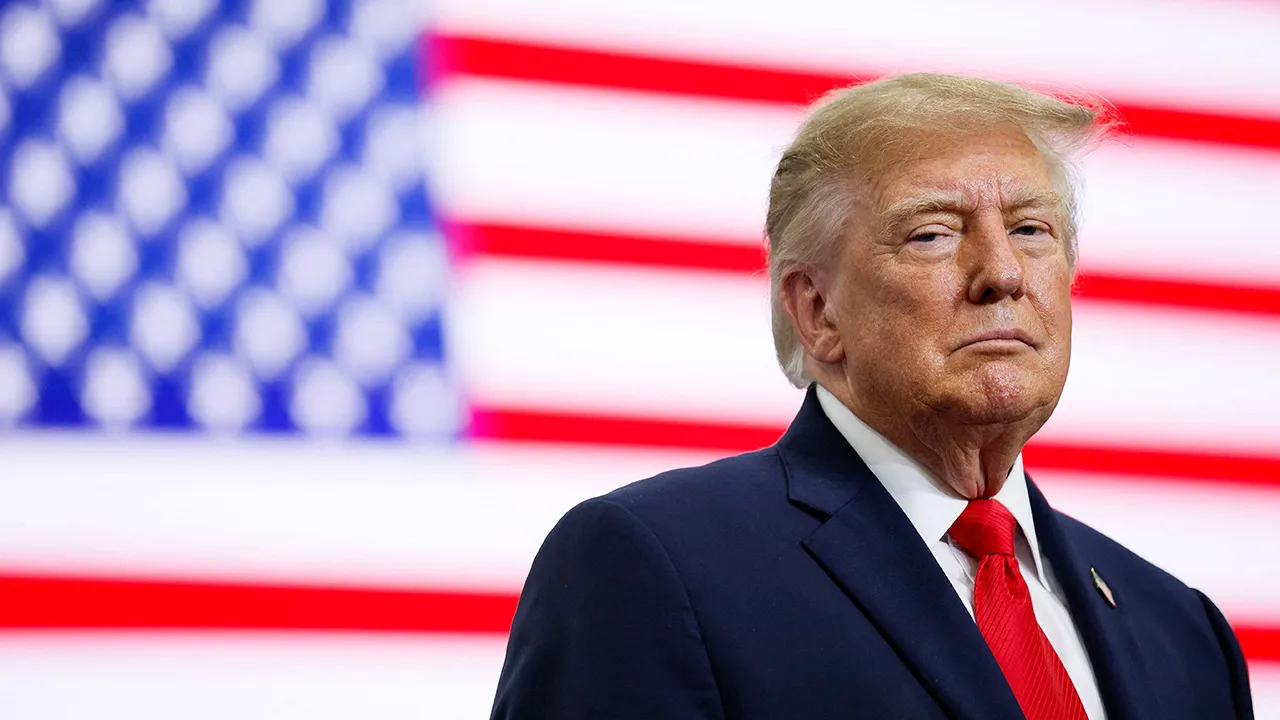
Politics rarely runs in straight lines, but the sharp pivot happening inside immigrant communities right now catches seasoned observers off guard. A fresh survey from the advocacy organization Indian American Impact reveals that roughly 25 percent of South Asian Americans who cast ballots for Donald Trump in the 2024 presidential election now plan to back Democratic candidates in upcoming midterm races.
If you think ethnic voting blocs march in lockstep behind a single party, data like this shatters that illusion. The numbers force both political camps to rethink how they court one of the fastest-growing demographic groups in the United States. Expanding on this theme, you can find more in: Inside The National Security Crackdown Following The Raf Fairford Incident.
What the Survey Numbers Actually Say
Let us look at the raw data before making broad assumptions. Out of 800 registered South Asian American voters surveyed, 87 percent identified as Indian American, with the remainder representing nations like Pakistan, Bangladesh, Sri Lanka, Nepal, and others. While 67 percent of Trump’s 2024 base within this community intend to stick with Republicans, a striking quarter of them are ready to cross party lines.
Meanwhile, voters who backed Kamala Harris in 2024 remain overwhelmingly loyal to Democrats, with 96 percent planning to support Democratic candidates. Experts at TIME have also weighed in on this trend.
Why the sudden shift among a subset of conservative-leaning voters? It comes down to everyday survival pressures and social friction. According to the survey, the rising cost of living drives 65 percent of concerns, followed by healthcare at 53 percent, jobs and wages at 33 percent, and education at 28 percent.
The Identity Factor and Everyday Discrimination
Economic anxiety tells only half the story. Cultural comfort and social respect weigh heavily on immigrant voters who climbed the economic ladder through hard work and professional credentials.
The survey points to a pervasive undercurrent of unease. Ninety percent of registered voters stated they had personally experienced discrimination or knew someone within their circle who had. Nearly half of the respondents—48 percent—reported facing direct personal discrimination.
When political rhetoric crosses the line into xenophobia or targets cultural identity, voters notice. Second-generation Americans, in particular, show little patience for rhetoric that feels alienating or exclusionary, regardless of their economic tax bracket or business-friendly preferences.
Why Swing States Care About This Shift
In tight political contests, margins matter more than party loyalty. South Asian American populations are heavily concentrated in states where single-digit percentages decide major legislative and congressional outcomes.
Consider Michigan, home to roughly 187,000 South Asian residents. In recent election cycles, thousands of registered voters in this demographic sat out entirely—surpassing the razor-thin margins that decided critical Senate and congressional races. Texas tells a similar story, housing over 700,000 South Asian residents with massive pools of unregistered or inconsistent voters.
When battlegrounds like Georgia, Pennsylvania, North Carolina, and Arizona feature races decided by a few thousand votes, capturing even a fraction of fence-sitting voters can swing an entire statehouse or congressional delegation.
What Happens Next
Political parties cannot take minority voters for granted by relying on blanket messaging or assuming cultural conservatism equals permanent party allegiance. When grocery bills climb and social friction grows, political loyalty bends.
The midterms will test whether this quarter of disaffected Trump voters actually pulls the lever for Democrats or simply stays home. Either way, the myth of the predictable immigrant voter is officially dead.