Southeast Asia is facing a turbulent political and environmental reckoning that goes far beyond standard regional headlines. If you look past the usual polished diplomatic summits, you see a region grappling with raw public anger, ecological crises, and financial ghosts that refuse to stay buried. From choking smoke blanketing skies to billions still missing from state coffers, the current climate across Indonesia and Malaysia signals a deep shift in how citizens view authority.
Let's break down what is actually happening behind the scenes and why these stories matter right now.
The Choking Reality of Indonesia's Haze Protests
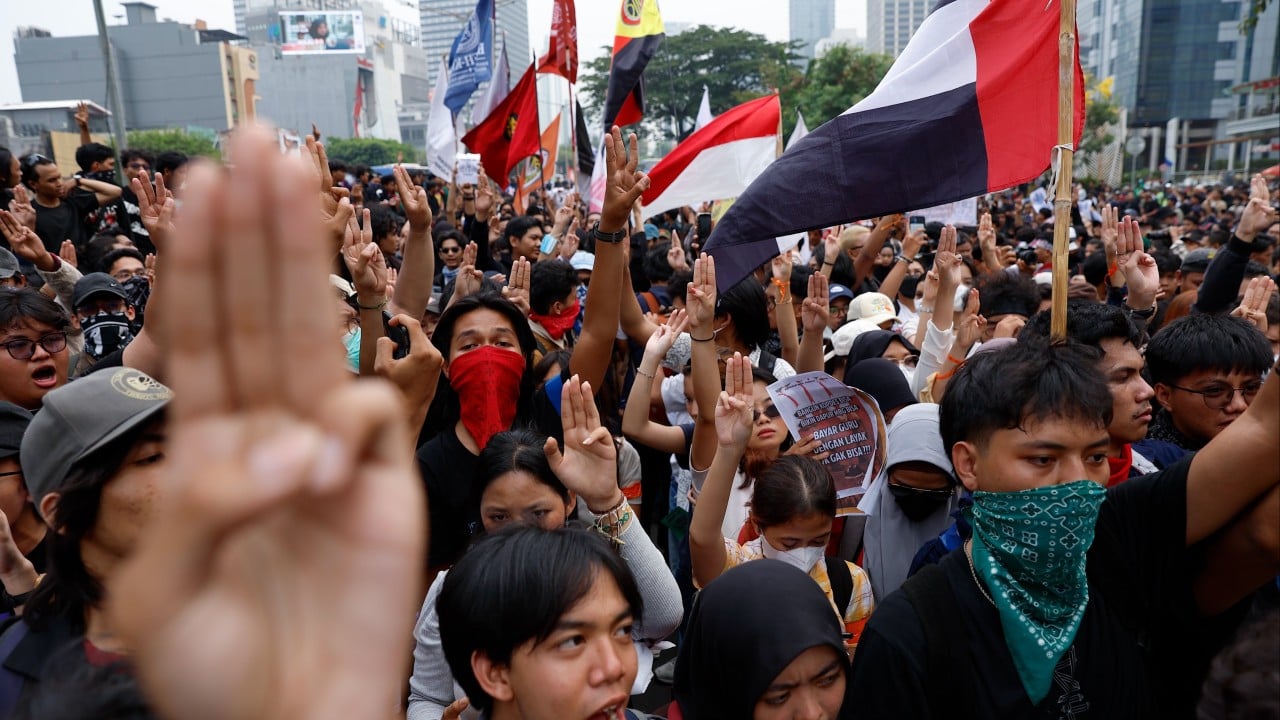
Smog isn't just a weather pattern; it's a political trigger. When dense, toxic haze rolls across Kalimantan and Sumatra from seasonal agricultural fires, the public response has shifted from quiet resignation to open rebellion. Students and civil society coalitions have taken to the streets in major numbers, directly targeting the administration under President Prabowo.
Why are people so furious? Because the fires trace back to forestry and oil palm concessions where regulation is weak or willfully ignored. Environmental watchdogs like Greenpeace have mapped thousands of hotspot sources inside official commercial concessions. Yet, ordinary citizens pay the price with failing lungs, canceled flights, and ruined local economies.
The political fallout is severe. Frustration has grown so intense that some local activists and netizens have publicly urged neighbouring countries like Singapore and Malaysia to take legal action against Jakarta. When your own citizens are asking foreign governments to sue their homeland over environmental negligence, the social contract is broken. Jakarta can no longer brush this off as an act of nature. It's a governance crisis driven by corporate greed and bureaucratic inertia.
Malaysia and the Ghost of 1MDB That Won't Die
Meanwhile, across the Malacca Strait, Malaysia is learning that financial crimes of a historic scale leave scars that last for generations. Even as authorities claim progress on overseas asset recoveries, the financial ledger remains bleeding red.
The second finance minister recently admitted that Malaysia will still lose tens of billions of ringgit to the 1MDB debacle. Think about that scale. Billions of dollars diverted from public development into luxury yachts, Hollywood films, and private bank accounts.
To make matters worse, the news is dominated by the looming transition of disgraced former prime minister Najib Razak toward house arrest. For everyday Malaysians dealing with rising living costs and a volatile currency, watching masterminds of a multi-billion dollar plunder navigate preferential legal treatments creates deep cynicism. Anticorruption rhetoric sounds hollow when the bill for past theft is measured in decades of national debt and compromised public services.
The Regional Ripple Effects
These two massive crises don't exist in a vacuum. They feed into broader structural vulnerabilities plaguing Southeast Asia right now.
Consider the region's digital infrastructure fears. When Indonesian officials recently had to calm public panic after foreign commentary suggested cross-border internet cable vulnerabilities between Singapore and Indonesia, it highlighted how fragile regional interconnectivity really is. Governments are realizing that sovereignty applies to data lines just as much as physical land borders.
At the same time, economic strains are showing up in everyday consumer habits. The housing market across major urban hubs features a bizarre paradox where high-end unsold properties pile up while young professionals cannot afford a basic starter home. Food safety is another ticking bomb. Recent crackdowns on smuggled, cheap meat in Thailand and Vietnam expose how inflation forces desperate consumers toward unregulated food chains, risking public health outbreaks.
What Comes Next for the Region
You can't ignore the writing on the wall. Southeast Asia's rapid economic growth over the last few decades masked deep institutional cracks. Now, those cracks are widening under the weight of climate pressure and financial corruption.
If governments in Jakarta and Kuala Lumpur want to restore confidence, PR statements won't cut it. Indonesia needs aggressive enforcement against illegal burning, regardless of which corporate conglomerates own the land. Malaysia needs absolute transparency on asset recoveries and judicial consistency that treats financial treason with the severity it deserves.
The public has lost its patience. Watch the streets closely, because the current wave of youth-led activism and accountability demands is setting a new baseline for regional politics.